
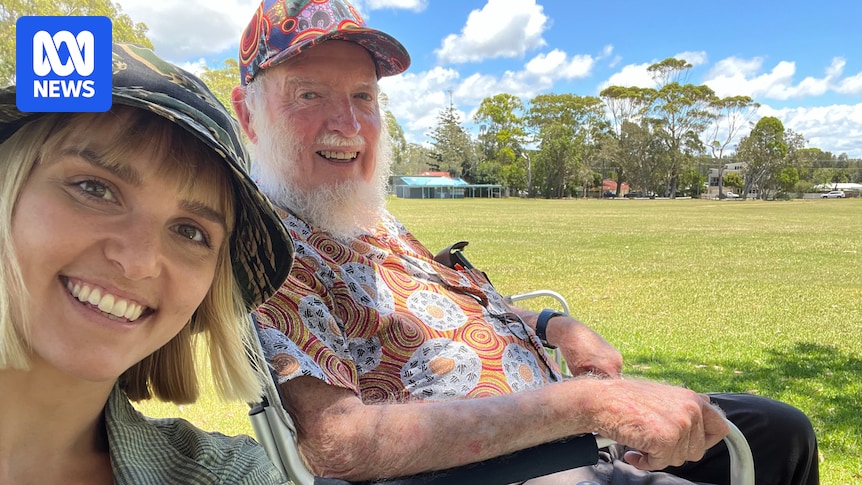
I first met my 82-year-old friend Clive while I was sitting at a cafe near my home in Coffs Harbour, writing in a journal.
Clive approached me intrigued, putting pen to paper was nothing new to him, but seeing someone in their 20s doing it was.
We ended up talking for over an hour about life, love and loss, and I walked away from the conversation feeling very glad to have met him.
And as our friendship shifted from chance meetings to planned catch-ups, the 50-odd years between us came to seem increasingly irrelevant.
“I can have this conversation because of you, who you are in your heart, and who I am in my heart,” Clive tells me.
“Your timeline is parallel to mine, but at a different age — that’s all.”
Loading…Intergenerational friendships ‘overcome ageism’: psychologist
Danielle Kennedy is a psychologist from Queensland, and in 2024, she researched intergenerational friendships through the University of the Sunshine Coast.
With headlines and a lot of political attention on the divisions between older and younger Australians — especially in debates about the rising cost of living, access to housing, tax policies, inheritance, climate change, and who’s responsible for what — it can often feel like a widening chasm.
But Danielle Kennedy says her research suggests intergenerational friendships can help to reduce age-based discrimination in both directions, while offering other benefits too.
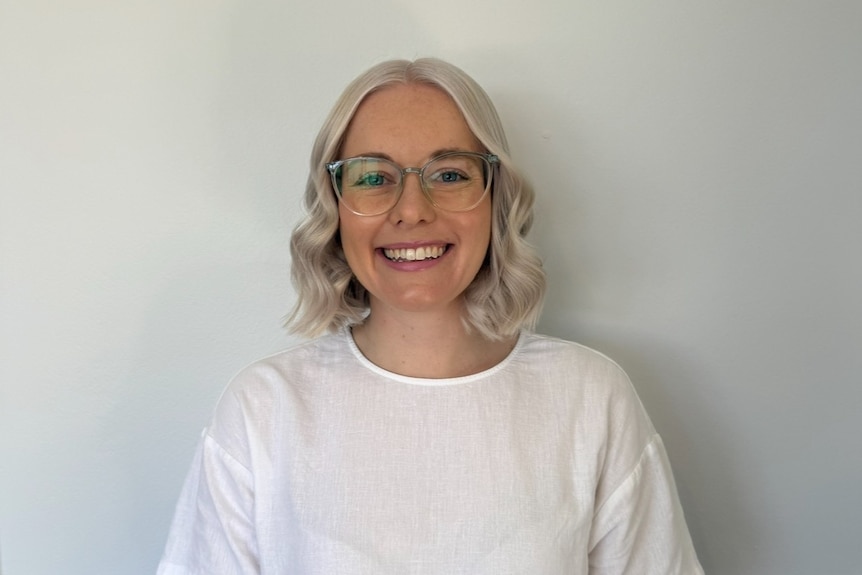
Psychologist Danielle Kennedy. (Supplied)
“Basically, we found that intergenerational friendships contributed to healthy development and wellbeing in both younger and older adults,” she told triple j hack this week.
Danielle Kennedy’s research looked at friendships between older (55+) and younger (18-35) adults to understand each friend’s perspective and how it impacted their adult development, and also explored experiences of loneliness and social isolation.
“One of the most interesting findings, for me at least, was that these friendships helped to overcome ageism in both age groups, which seemed to be through this kind of social connection and contact,” she said.
Older people offer ‘wealth of knowledge’
Tia is 32, and says when she moved from Sydney to smaller coastal communities near Coffs Harbour, she found friendships with people decades older.
“My first friends were two 60-year-old blokes and two ladies in their 50s,” Tia told hack.
“All were separate friendships and all offered something really different.”
“I think it’s such an important wealth of knowledge that is a little bit untapped these days.”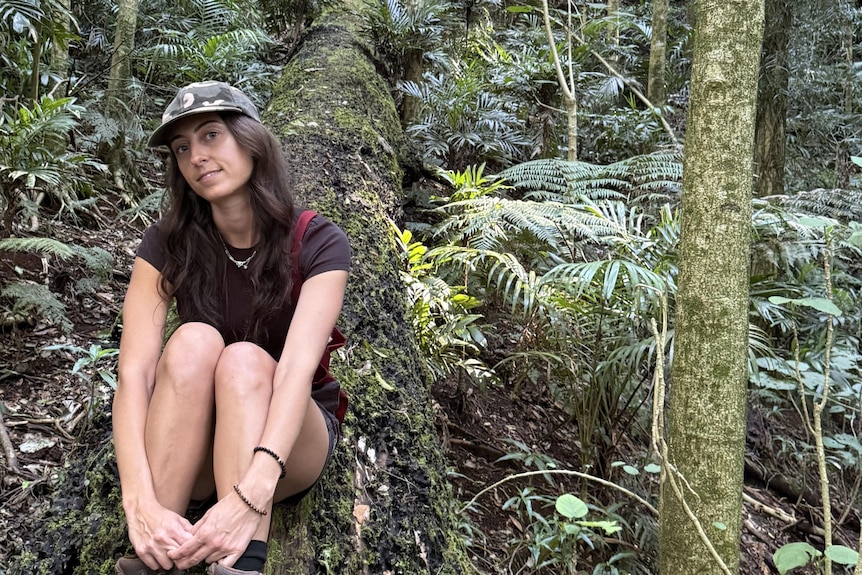
Tia has found friendship with people decades older than her. (Supplied)
Mykel is 18-years-old and a Wiradjuri, Gamilaroi and Bigambu man from Condobolin in the central west of New South Wales.
He says in First Nations cultures, younger and older people relate to each other in a more structured way.
“Our elders help us be prepared to move through life, and we help our elders when they get old,” Mykel said.
From a young age, Mykel says he was taught to have a sense of respect for his elders.
“If my friend’s parents ask if I can make them a cup of coffee or something, I go and grab that for them.
“Then I can sit down and have yarns with them and they tell me about their stories, what they’ve experienced, and I use that to prepare a better life for myself.”
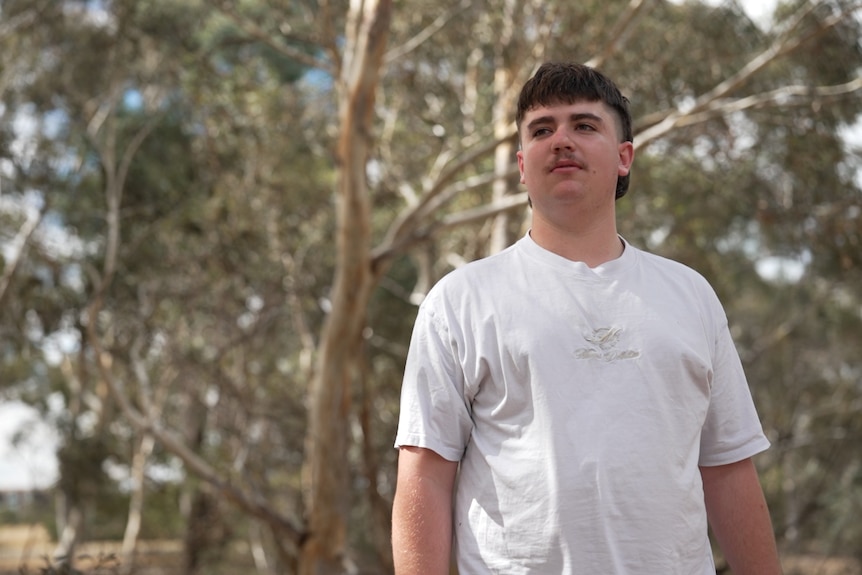
Mykel says his First Nations culture has instilled a deep respect for his elders. (ABC News: Leah White)
Shared activities and shared interests
Eighteen-year-old Zein, who moved to Australia when she was 10, says relational structures look a little different in Arabic-speaking cultures.
“In Syrian culture, mainly Middle Eastern culture, to be honest, it’s a very rigid structure,” Zein says.
“You have immense respect for people that are older than you because of their experience, but you also have this kind of ‘owing’ almost, like you have to take care of them, like that is basically your main job in life.”
More broadly, researcher Danielle Kennedy said friendships formed through shared activities or interests, with geographic location playing an important part, too.
“So this contact or the ability to kind of meet people from these other generations is important, and that’s something we don’t often see as much in Western societies, but I think it’s growing as this space expands as well.”
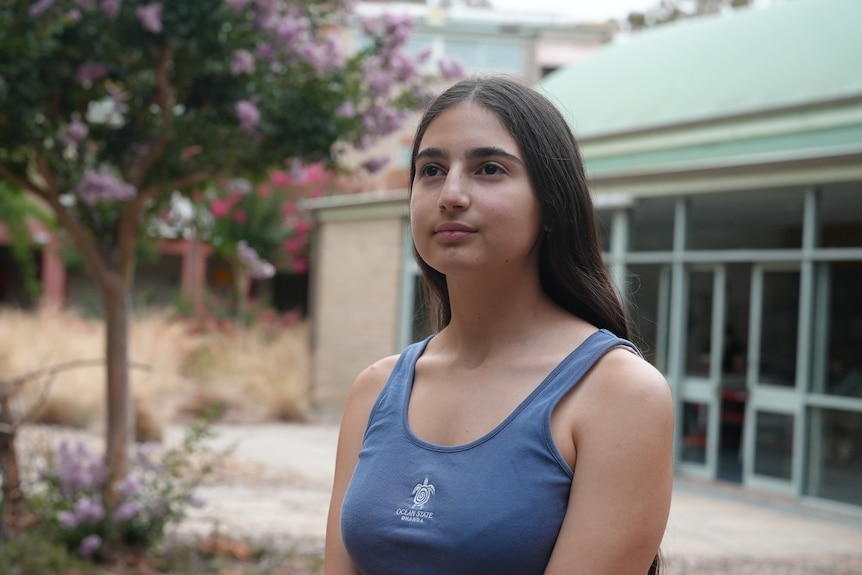
Zein, 18, says friendships between older and younger people are less likely in Arabic culture. (ABC News: Leah White)
Older friendships help with ‘boundaries’
For Audax, a 17-year-old from Alice Springs, friendships have never been determined by age.
Instead, it’s been about finding people who understand him, and many of those friends happen to be decades older.
“I think the majority of my older friends are a little bit more middle-aged at this point and heading into, like, later middle age as well, like 50s-ish,” the 17-year-old says.
Audax says he was raised by parents belonging to a network of creative artists and a welcoming home, which meant having older friends was “pretty normal”.
“My parents were social butterflies, so they’d go to all these events and they’d drag their kid with them.”
And for Audax, these friendships brought him something that he couldn’t always find among his peers.
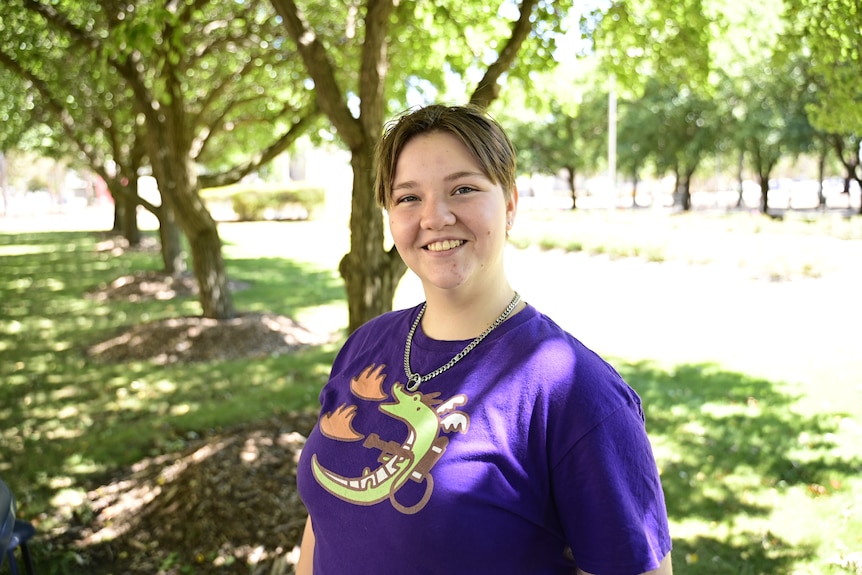
Audax says growing up, most of his friends were older. (ABC News: Leah White)
“Obviously, there’s lots of wisdom, there’s lots of stories, there’s lots of, ‘Whoa, you did that?'”
And for Audax, who is autistic, he says older friends have helped him learn things like boundaries.
“A lot of the time with younger people, you’re figuring it all out, ‘first try, let’s go’.
“But with older people, they’ve kind of been through that a little bit, so they can go, ‘hey, I’m not comfortable with you doing that. And you go, ‘OK, cool, I know for next time.’
“So you learn how people set boundaries, like good role models for making your own boundaries, and I think that’s really beautiful.”
That said, Audax has also witnessed the “generational rift”, as he calls it, that frequently makes headlines.
“There’s a little bit of stereotyping that goes both ways,” Audax says.
And he reflects on what might be at its core.
“I think that as you grow older, you don’t realise that you’re growing older … you are like, ‘I am me, and I am always me, and I’ve always been me.’
“So when people who are younger come along, you kind of go, what’s going on here? I have aged. What is this? That can be a bit scary.”
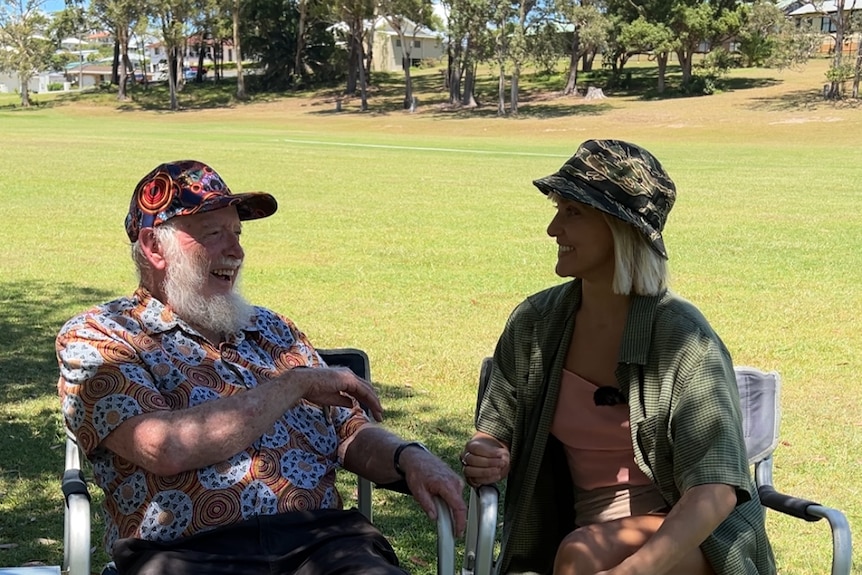
triple j hack reporter Alice Angeloni and Clive find it easy to have a laugh. (triple j hack: Alice Angeloni)
Psychologists call this feeling — of being younger than your actual age — subjective age bias, and some research suggests it’s actually on the rise — older people feeling younger, at higher rates — which some speculate could be a mechanism for dealing with things like age discrimination.
It’s something Clive says he understands firsthand.
“I don’t feel 82 years old inside. I feel more 40, maybe 50…
“I think that happens to many older people, that they feel younger inside than their birth certificate shows,” Clive says.
But he tells me, intergenerational friendships can help with that.
“I like the friendship we have. You exchange energy to me, that’s very helpful to me, and I exchange energy to you, that’s very helpful to you,” Clive says.
“It’s important for me to hold that youthfulness inside of me, and connecting with people like you enables that to continue.”