
An increasing number of over-65s are delaying retirement and continuing to work full time because the state pension doesn’t cover their outgoings – with many exhausted
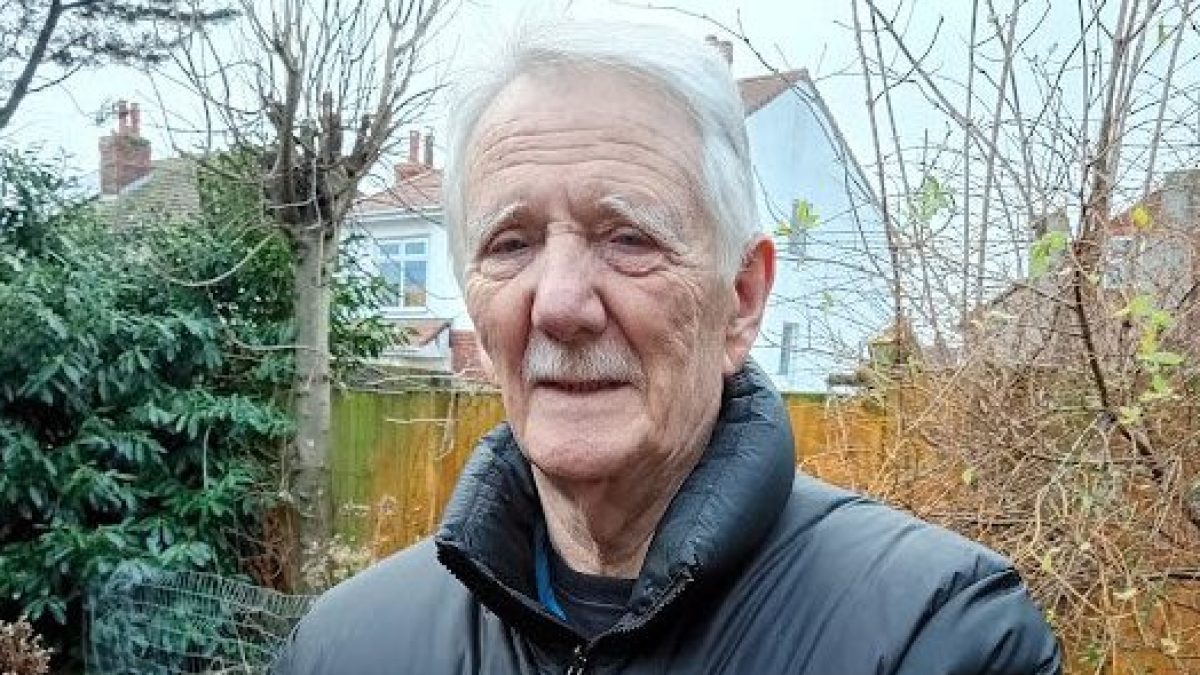
At 82, Roger Cliffe-Thompson is a state pensioner with a full-time job. He never expected to be working 37.5 hours a week at this stage in his life. “I work out of necessity. The cost of living is so high now, the only way I can keep my head above water is to keep working,” he says. At the moment, he can’t see himself ever retiring. “I’ll just work until I drop,” he says.
Based in Merseyside, Cliffe-Thompson was previously a teacher in further education, before working for a disability arts charity. At 70, he was semi-retired, but he took a job as an activities co-ordinator in a care home, where he’s been working for the last 12 years. “I’ve got a small teacher’s pension, which is taxed, but the government pension is half a living wage. I can’t live on that,” he says.
He is one of an increasing number of state pensioners who are delaying retirement and continuing to work. New figures from employment law firm Littler show that there are now 1.56 million people working past state pension age. This is up 12 per cent from 1.39 million in 2020-21. The figures also found that there were an additional 562,000 state pensioners who were self-employed in 2024-25, compared with 519,000 in 2020-21.
New FeatureIn ShortQuick Stories. Same trusted journalism.
The figures demonstrate a shift in “how people think about working as they approach their state pension age“, says Chris Brooks, head of policy at Age UK. “A lot of people would have thought of 60 as the upper cut-off in the labour market, but that’s no longer the case.”
The UK state pension age is 66, but it’s set to rise to 67 between 2026 and 2028. The full state pension for 2025-26 is £230.25 per week, which amounts to £11,973 per year. From April 2026, this will increase to £241.30 per week, which is £12,547.60 per year.
Using research from Loughborough University, Retirement Living Standards has come up with estimated costs for retirement. It estimates that at the minimum level for one person living alone, with no mortgage, they would need £13,400 a year to cover their costs. The state pension currently falls short of this.
The UK’s state pension is the lowest among wealthy G7 countries, with pensioners in the UK receiving less than a quarter of their pre-retirement salary, according to figures from investment platform Fidelity International. The highest is in Italy, where the average person receives 76 per cent of their working salary through their state pension, while those in France receive 58 per cent. Another report from the Organisation for Economic Co-operation and Development (OECD) found that 14.5 per cent of people aged 66 and over in the UK were living in relative income poverty in 2022, which was the 14th highest on a list of 34 countries.
Cliffe-Thompson is divorced with an adult son, and lives alone. His bills keep increasing. “I have an interest-only mortgage until I’m 99, so I’m stuck with this. Everything keeps going up. My house insurance has gone up by 25 per cent and [the price of] food doesn’t go down either. With the cost of living now, it’s the insecurity – you never know what’s going to go up when.”
He tries to keep his bills down and sleeps with an electric blanket to save on heating. “I’m very careful, but it means I’m monitoring everything.” He never made plans for his retirement. “I was too busy living life, getting involved with interesting projects and having to earn a living.” His family is a priority for him, “which means earning a living”, he says.
Working full-time at 82 takes its toll, he says. “It’s tiring working five days. I go to bed at about 8.30pm and watch telly. Then I’m up and ready for work [in the morning].”
Currently, Cliffe-Thompson is in good health but he worries about what would happen if this changed and he was unable to work. “I’d have to try and sell my house and go into sheltered housing. But they’re expensive – £800 or £900 a month, so that’s the pension gone.”
‘It would be great to not have to do it’
Rose Rouse, 72, lives on her own in London and says that her state pension covers the cost of her bills and insurance but not much else. “Money has been an issue for me over the years because I was a single mum. I live on my own, so all my expenses are on me – council tax is £160, gas and electricity are over £100. It’s quite stressful,” says Rouse, who has a son and a grandson.
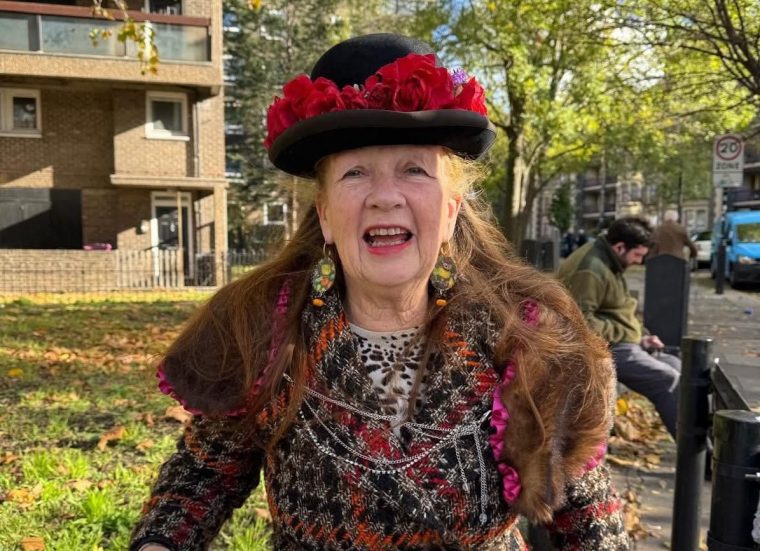 Rose Rouse, 72, says: ‘Whilst I have my health, I’ll probably always be doing something’
“The cost of food is huge, as is going out for a coffee. Basic things like a loaf of bread can be £5.99 in the corner shops. I find it crazy that bread could be that expensive.”
Rouse has always been self-employed. She was previously a freelance journalist before working in PR. She works about 20 hours per week doing PR and running Advantages of Age , a social enterprise that works to challenge the narrative around ageing. She can’t see herself ever retiring, although she does enjoy her work. “It would be great to not have to do it, but at the same time, I am doing stuff that I feel is important,” she says.
She’s grateful for the state pension, but doesn’t think it’s enough. “I’m not sure who can survive on a state pension. There are lots of other countries where you get a pension that you can actually live on.”
Beyond her day-to-day and monthly expenses, Rouse works so that she can travel: “I aim to travel without spending loads. I do everything that I want to do, but sometimes it’s stressful because I’m taking a risk financially in order to do it.”
Figures released by Age UK in 2024 showed that 9.5 per cent of people aged 66 and older (1.12 million people) were still working, rising from 880,000 a decade earlier.
Three in five retirement-age workers were men, according to the same research, and 51.5 per cent of them continued to work despite having long-term illnesses.
Workers aged 65 and above are predominately self-employed and working part-time, and they’re the second age most likely to have a zero-hour contract (after 16- to 24-year-olds).
There were 13.1 million people receiving the state pension in February 2025, an increase of 210,000 on a year earlier.
According to estate and lettings agency Rivendell Estates 8 per cent of pensioners privately rent, with the number rising to almost 10 per cent in Scotland.
Leanne*, 70, from Northumberland, was previously an NHS nurse, and then ran a nursing home. Now, she works on a freelance basis and helps to look after older people in their homes. She currently has two clients, but has had to give up some jobs because the work was too physical and she was concerned it might affect her health. She works around 15 hours a week.
This is not how Leanne envisioned spending her days at this age. “I thought I’d be having a whale of a time, but it wasn’t to be.” Having used some of her NHS pension to pay off her mortgage, she receives a small NHS pension as well as her state pension. She would like to retire but feels she has no choice but to continue working.
“If you want to have a car, run it, keep a nice house and help family out, I don’t see how anybody can manage on just the single state pension,” says Leanne.
While her bills keep increasing, Leanne doesn’t think she should have to scrimp on heating her house. “Bills have gone up, but I’ve always thought that I would rather be warm and alive than living in misery, so I keep myself warm and pay for it.” When it comes to food, she is careful about where she shops – favouring Lidl and Aldi.
She had hoped she’d spend her retirement going on nice holidays abroad, and while she did go on one trip last year, and is hoping for two this year, this requires careful budgeting and saving. “You can do it, but you’ve got to be sensible. If I was totally reliant on the single payment [state pension], that wouldn’t be an option at all.”
Many state pensioners also feel they need to continue earning to help support their children and grandchildren. “I’ve got a daughter who is chronically disabled. She has a daughter, too. I don’t care what anybody says – when they’re young, children cost you money, and when they get older, they never stop costing you money. So if you want to help them out, where does the money come from? Not everybody can save loads of money to retire with,” says Leanne.
This is an issue Rouse and Cliffe-Thompson face, too. “I’d like to be able to help my son more,” says Rouse. “I’m really horrified by their bills.” Cliffe-Thompson has a son, a grandson and a great-grandson, and does what he can to support them. “I’ve got to help my family out, because they need money as well.”
Dr Andrea Barry, deputy director for work, retirement and transitions at the Centre for Ageing Better, says: “The state pension alone is not sufficient to support a minimum standard of living. The cost of living crisis will have caused many to reassess whether they had sufficient financial resources to retire. A growing number of older renters and older homeowners with mortgages still to pay off have to factor in considerable housing costs when deciding when to stop working.”
Your next read

While many state pensioners work because they have to, there can be positives to working into older age. “Good work conveys many more benefits than just income,’ says Dr Barry. ‘Being in work can give a sense of purpose and a positive feeling of making a contribution. It can bring cognitive stimulation, order and routine and offers an opportunity to feel part of a team and have social interactions with colleagues.”
When thinking about how you want to spend your later years, Brooks’ advice is to plan ahead as much as possible. “People should consider their long-term goals and retirement planning. Some people may never want to retire, but I think most people probably have some aspirations to stop work at some point.
“People need to think about all their income sources and any outstanding debts or mortgage they might have. Think about what kind of things they want to do when they’re retired, whether they’re looking to go on lots of holidays or whether they think they’re going to be more home-based and catching up with friends and family.” He suggests thinking about what your costs might be so that you can work out how much income you need and plan your finances around that.
Planning for retirement is something that Leanne thinks should be talked about more, so that people can prepare for this time in their lives. “There should be more information out there as to what your life could be like if you don’t plan ahead. When you’re younger, you think you’re invincible and you’re never going to get sick, lonely, or be cold, but you probably will. People don’t think of the future. Even if you can think of ways to make a bit of money through a hobby, then you’ve always got a sideline to fall back on.”