

February 24, 2026 — 10:49am
Save
You have reached your maximum number of saved items.
Remove items from your saved list to add more.
Save this article for later
Add articles to your saved list and come back to them anytime.
Got it
AAA
Follow our Melbourne weather live blog here.
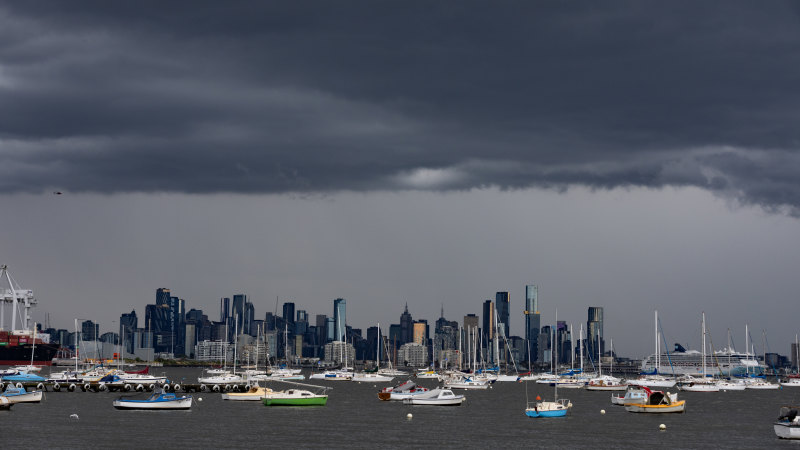
Powerful thunderstorms could cause flash flooding on Tuesday, as much of Victoria braces for intense rain.
Melbourne and parts of central Victoria could experience 40–70 millimetres of rain in six hours, prompting the Bureau of Meteorology to issue a severe weather warning.
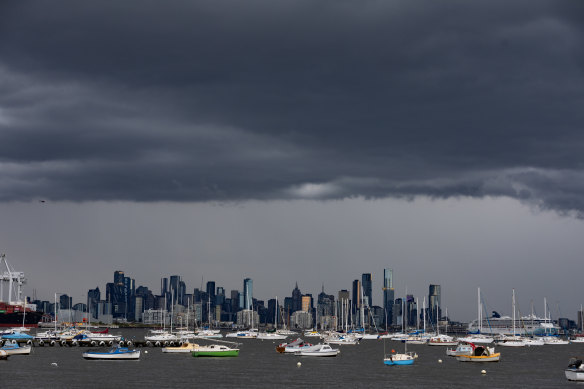 Severe thunderstorms are forecast for Melbourne and central Victoria. Jason South
A low-pressure weather system over the Northern Territory has drawn up tropical moisture into the air over central parts of the country, which will push south-east and “could lead to flash flooding, including across the Melbourne metro area”, said meteorologist Angus Hines.
The Yarra and Maribyrnong rivers are among those which could be subjected to isolated and moderate flooding from Tuesday night.
Authorities are unsure of the location and timing of the heaviest rainfall, but “rapid creek and river level rises and flash flooding are possible in areas that receive the heaviest rainfall”.
Severe thunderstorms, heavy rain and flash flooding can be dangerous, and the State Emergency Service advises people to avoid travel if possible, and to be aware of falling trees, floodwaters and fallen powerlines.
Hines said flash flooding could also force road closures and damage agricultural land, but was beneficial in the recovery from recent bushfires.
“Rainfall over agricultural areas in the south [of Australia] has brought some welcome relief, particularly for parts of … Victoria, which are still facing long-term rainfall deficiencies after a very dry summer so far,” Hines said. “Rainfall is also welcome over the south-east, where fires have impacted communities, and the rain is assisting firefighters with their ongoing efforts.”
Areas recently scorched by bushfires are more susceptible to flash flooding, as burnt soil does not absorb water, which means runoff can happen unexpectedly.
SES Victoria chief officer operations Alistair Drayton said early preparation was the best defence for severe weather.
“If severe weather is impacting your area, consider delaying travel where possible and staying indoors until conditions improve,” he said. “Never drive through floodwater.”
The rain forecast today follows flash flooding in Wodonga on Sunday, where about 90 calls for assistance were made to the SES.
Start the day with a summary of the day’s most important and interesting stories, analysis and insights. Sign up for our Morning Edition newsletter.
Save
You have reached your maximum number of saved items.
Remove items from your saved list to add more.
 Angus Delaney is a reporter at The Age. Email him at angus.delaney@theage.com.au or contact him securely on Signal at angusdelaney.31Connect via email.From our partners