
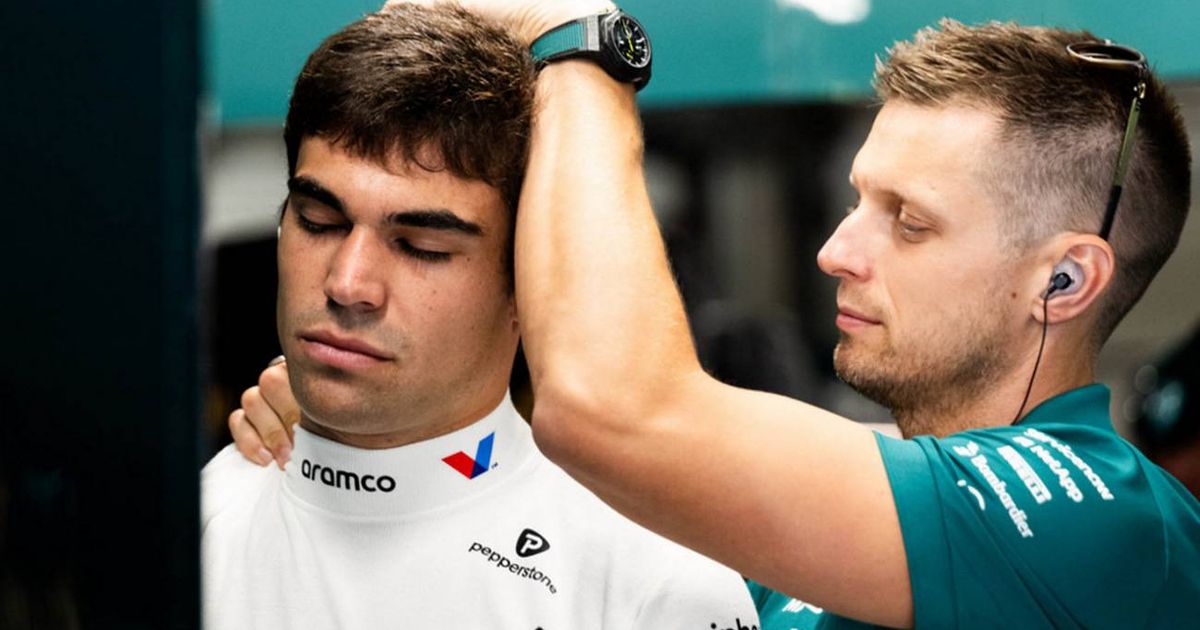
Formula 1 is entering its longest season in history, and for Aston Martin driver Lance Stroll, the physical strain begins long before the lights go out in Melbourne.Behind the scenes, performance coach Henry Howe is tasked with keeping the Aston Martin driver functioning through 24 Grands Prix, relentless travel and the demands of a new technical era that began with early shakedown running and pre-season testing.In a report on the Aston Martin website, Howe reduces his role to a single question: “Anyone doing my role asks the same question. How do I help my athlete produce the best version of themselves every single week?”
In most sports, performance is built on control. Same gym. Same food. Same bed. Repeat. Formula 1 removes that foundation entirely: “We do not even get the same pillow in bed. You constantly have to adapt. To evolve.”
Drivers are surrounded by engineers and mechanics, but only a small inner circle influences how they function physically and mentally from weekend to weekend. Howe operates between medical management and performance oversight.
His responsibilities span recovery and conditioning: “On the medical side, I manage musculoskeletal care and recovery. On the fitness side, I am keeping Lance healthy and in race trim. Because he has played sport his whole life, that is pretty easy, and it is more about me directing him towards the best stuff to do, rather than motivating him to do it.
“As a taller driver 1.84 metres, Lance has always had to be on top of his physical wellbeing to avoid giving away lap time through weight. So it is about constantly being on top of his diet and training rather than having to manage big swings in his weight.”
Preparation long before Friday practice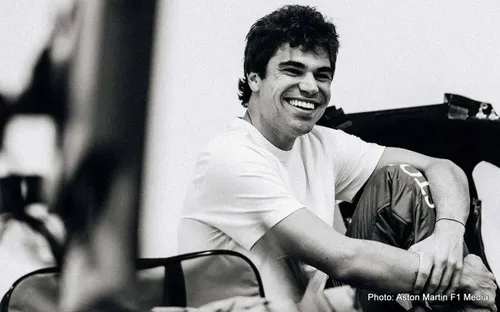
Most of that work happens before the car reaches the grid: “If you arrive at a race weekend not fit or healthy, it is too late. Once we are at the track, my job is to create an environment where Lance can focus purely on driving.”
Modern Formula 1 stretches beyond the cockpit. Energy can be drained by obligations that have nothing to do with lap time: “There are a lot of things in Formula 1 that drain your battery that are not driving. I try to take care of as much of that as possible. It is about trying to create a bubble for him.”
A calendar with no margin
That bubble faces pressure from a schedule that barely pauses. An already short off-season was compressed further by early running with the new car.
Howe outlined the contrast clearly: “Last year, Lance had about 4 weeks post-season where training was active but unstructured. This year, it was closer to 5 days before we were back into a regime.”
In a 24-race campaign defined by constant movement and technical change, routine must be manufactured rather than relied upon. For Howe, the objective is simple. Stabilise the driver in an environment designed to destabilise everything around him.
Lance Stroll’s Training Program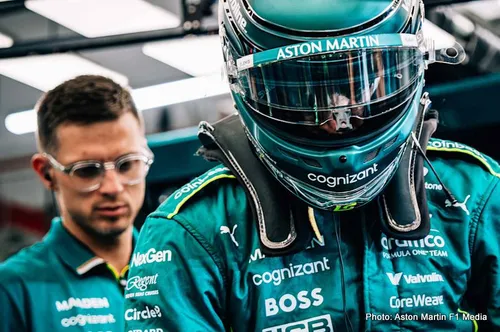
Phase 1 – Recovery and light training
3–4 weeks | 3 gym sessions + 1–3 sports sessions
Full-body gym: Rebuild muscle lost during the season. Loading the body without too much stress. Sports sessions: Padel, tennis, or whatever keeps you moving without overloading. Purpose: Recover from last season, ease back into training, stay active without overloading.
Phase 2 – Base fitness and aerobic conditioning
4–6 weeks | 3–4 gym sessions + 3 low-intensity runs
Full-body gym: Squats, deadlifts, bench press, pull-ups, core work. Cardio: Long, slow runs 3x per week. Low heart rate. Purpose: Build endurance, develop strength, address injuries and niggles from the season.