
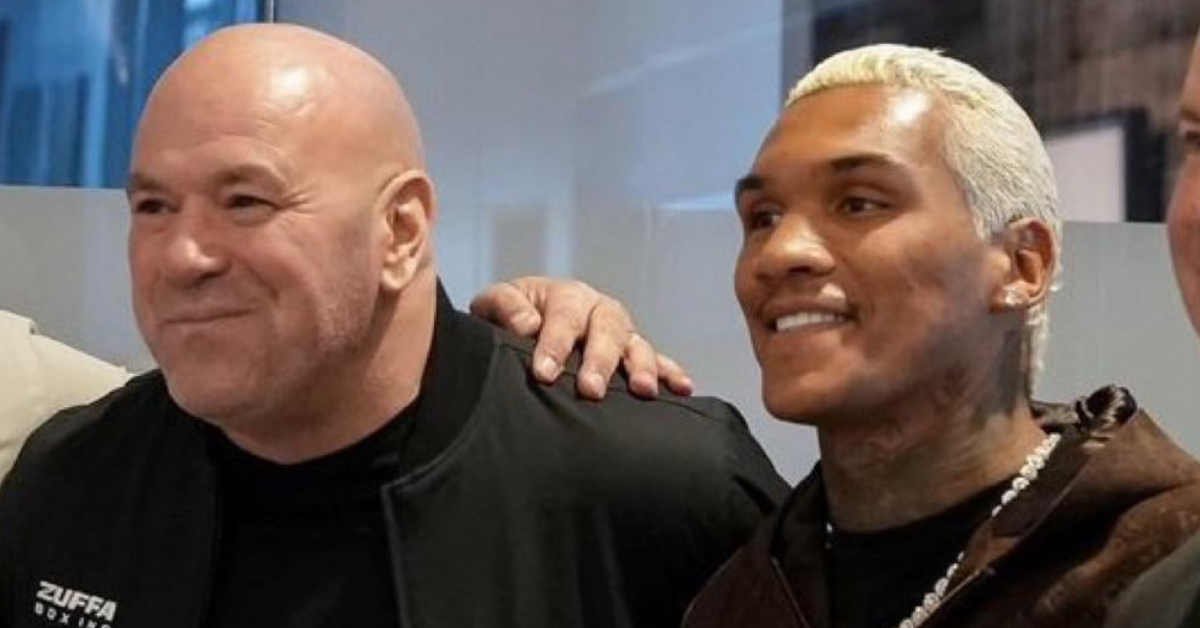
Former UFC Champ Says $15M Conor Benn Deal Is Dana White Flex, Not Fair Pay. UFC flyweight king Demetrious Johnson has called out Dana White for what he frames as a $15 million “flex” on boxing, not a sustainable investment in combat‑sports talent. Johnson’s comments follow reports that Conor Benn signed a one‑fight deal with Zuffa Boxing worth $15 million for his debut under the UFC president’s new boxing venture. The number immediately drew disbelief from top MMA fighters, but Johnson is using it to highlight a deeper structural imbalance between how boxing and MMA fighters are paid.
Former UFC Champ Says $15M Conor Benn Deal Is Dana White Flex, Not Fair Pay
Johnson opened his critique by stressing the scale of Benn’s payout: a single fight valued at $15 million under Zuffa Boxing’s banner. He said that, in his view, the deal looks less like a long‑term talent bet and more like a public statement from Dana White. “Honestly, I’m not going to lie to you guys. I truly believe it is a flex move by Dana White,” Johnson said, referencing White’s recent comments about boxing promoters being like “fighting babies.” Johnson questioned whether the $15 million would translate into long‑term value for Zuffa, given the promotion’s current viewership profile.
“Honestly, I’m not going to lie to you guys. I truly believe it is a flex move by Dana White. Like he said, if you’ve been following the headlines of him going to battle with all the boxer promoters, he said it’s like fighting babies, and I quote, ‘Fighting babies.’ And you know, $15 million for one fight. It’s crazy.”
On the UFC side, Johnson argued that few fighters have ever approached that single‑fight figure. He estimated that only a handful of UFC bouts in history have reached anywhere near $15 million in disclosed pay, naming Jon Jones and Conor McGregor as the most obvious examples. Even then, he pointed out that the truly huge numbers often come from pay‑per‑view points or long‑term licensing deals, not a one‑time roster guarantee. Against that backdrop, seeing Benn – a solid welterweight but not a world champion or pound‑for‑pound elite – land a $15 million one‑fight deal felt “rough” to Johnson.
“If you think about how many times a UFC fighter has been paid that for one fight, you’d probably have to count it on your hands. It’s only happened maybe five times in UFC history. Probably only Conor McGregor and a couple others—Jon Jones, that type of stuff.”

The structural difference Johnson returns to is freedom of movement. In boxing, fighters can shop multi‑promoter offers under frameworks like the Muhammad Ali Act, which lets them solicit competitive bids for specific fights. That is why he highlighted that Matchroom had the contractual right to match Benn’s $15 million offer – but reportedly chose not to. In MMA, by contrast, most top fighters are locked into exclusive contracts with one promotion, with no real parallel system to push salaries through open bidding. Johnson underlined that if he came out of retirement, he could not shift a lucrative UFC‑grade offer to another league, as his contract would bind him to ONE Championship.
Another key point is transparency. Johnson noted that when Benn’s $15 million figure hit the press, it was repeated widely and seemingly with White’s approval. By contrast, UFC fighter pay almost never appears in public documents or official statements. He suggested that opacity benefits the organization by preventing fighters from comparing numbers and negotiating up collectively. “Why is it that the second Connor Benn signed that contract, Dana White loved that everyone saw that number?” Johnson asked, contrasting that with UFC deals where even star‑level earnings stay hidden.
Johnson also tied the Benn deal to wider UFC‑pay complaints tied to the Paramount+ model. He referenced fighters such as Justin Gaethje, who has publicly discussed turning down contract terms that would have slashed his expected pay compared with the pay‑per‑view era. Gaethje and others have suggested that high‑viewership Paramount+ cards could translate into far more revenue if they were structured like traditional PPV, but that structure no longer exists. Johnson argued that Dana White can afford symbolic $15 million splashes in boxing because the UFC and WWE – both under TKO Group Holdings – generate massive cash flow.
“Ain’t nobody making $15 million for one fight in the UFC. I think the closest you’ve got is Jon Jones, when he asked for 30 million to fight Tom Aspinall and they were going to pay it. But he was like, ‘Nah, I’m not doing it.’ Conor McGregor, too. Maybe Anderson Silva back in the day off pay‑per‑view points, but that was a long time ago. And still, none of those guys are on the $15‑million‑for‑one‑fight number.”
Ultimately, Johnson sees the Benn payday as a flex toward boxing promoters and, indirectly, UFC fighters. He contrasted Benn with UFC champions such as Islam Makhachev, Alex Pereira and other top draws who move the needle for the promotion but are not believed to earn $15 million per fight. Benn’s one‑fight deal, he said, looks like a way to show boxing promoters what TKO’s financial muscle can do while doing comparatively little to raise the ceiling for UFC athletes. Still, Johnson acknowledged that Zuffa Boxing could grow into a real threat if White leverages the UFC’s star‑making infrastructure across boxing, but he remains skeptical that $15 million for one welterweight bout is a sign of sustainable change.
“If Dana wants to flex in boxing, fine. But if you’re willing to throw $15 million at a boxer, why not the UFC guys who are the ones actually building the brand?”
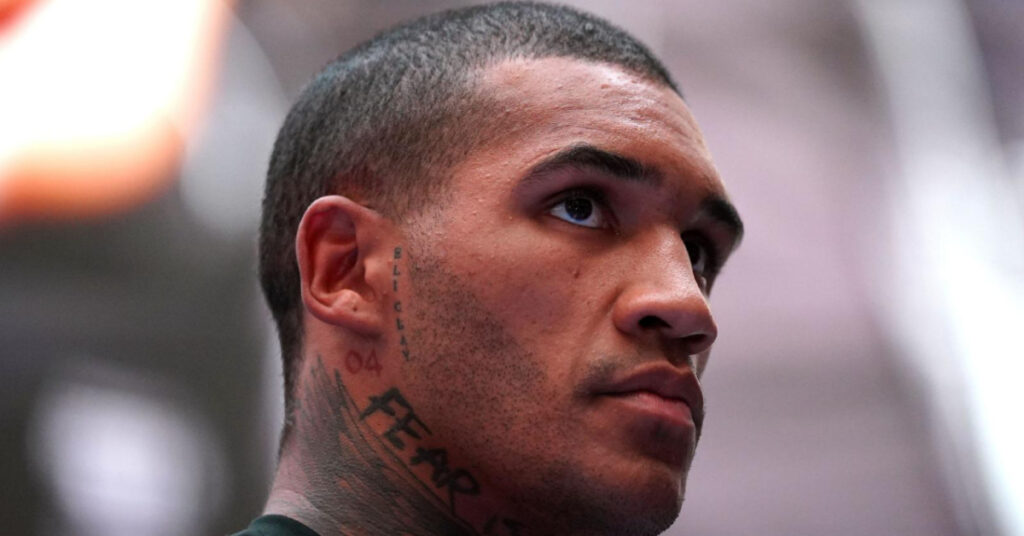 Mandatory Credit: Alamy Stock Photo