
By Boom Shikha
Some reasons why pedestrian accident statistics are on the rise are the rising use of active transportation, vehicle size and speed increases, and limited visibility and poor lighting on the roads.
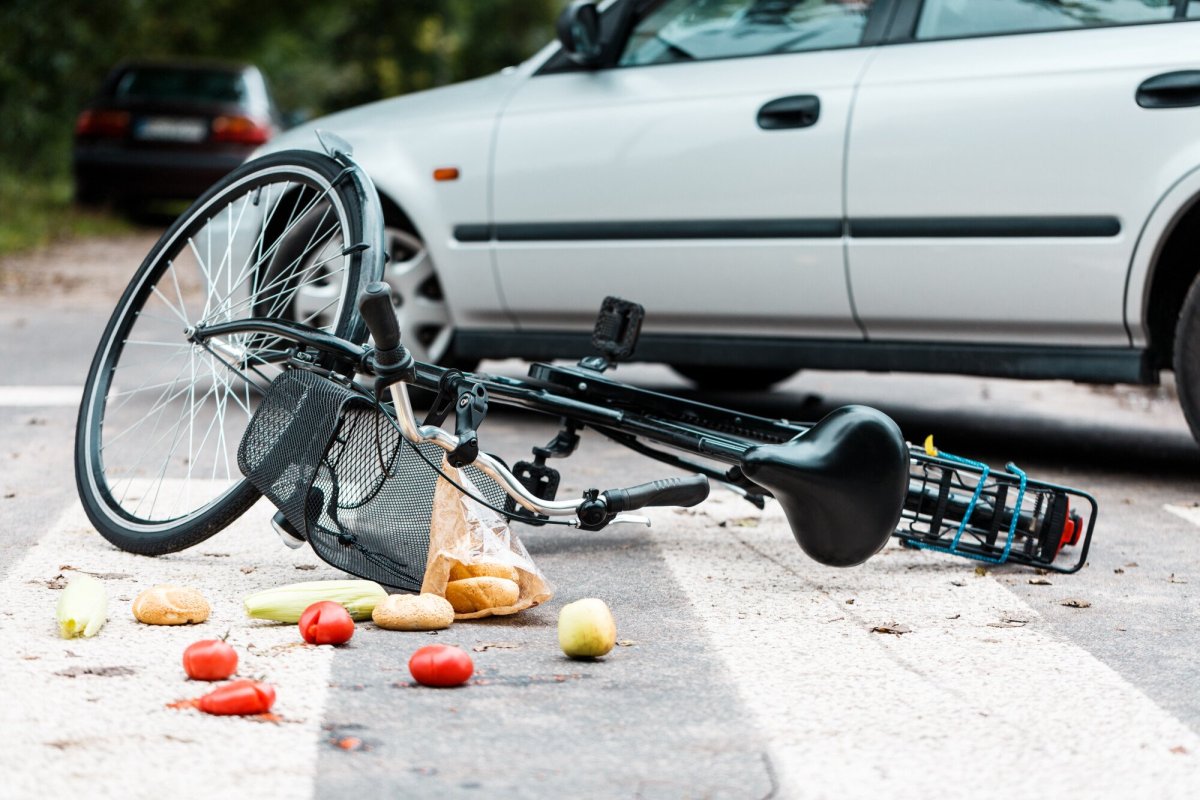
Everyone tells you, especially in cities and urban areas, to walk more since it’s healthier or to cycle to work, as it will be better for the environment. But no one talks about how dangerous it can be to be a pedestrian or cyclist on the roads. Pedestrian and cyclist safety has to become a growing public concern, and the stats prove it.
According to PedBikeInfo, in 2022, there were 7,522 pedestrians, 1,105 bicyclists, and 324 other nonmotorists (e.g., persons riding micromobility devices) killed in crashes with motor vehicles in the United States.
Rising Use of Active Transportation
As people wish to become healthier and avoid chronic diseases, more Americans are walking or biking to places. This could be during their work commute or when they go grocery shopping.
Urban congestion, environmental awareness, rising fuel costs, and public health campaigns have all contributed to this shift. This means there are more pedestrians or cyclists on the road than there were before, which leads to increased traffic risks for everyone involved.
American streets were originally designed for automobiles more so than pedestrians. Before modifications can be made, pedestrian and cyclist safety has to be made a priority by drivers.
Urban Infrastructure Hasn’t Kept Pace
Many roads and urban areas in the US were built decades ago, when the urban landscape was quite different. People were driving more back then, and there weren’t as many pedestrians or cyclists on the road.
Narrow sidewalks, missing bike lanes, poorly marked crosswalks, and high-speed intersections remain common, even in busy urban centers. This causes confusion for pedestrians and cyclists.
Cyclists may find protected lanes that abruptly disappear, forcing them into traffic. Pedestrians may encounter long crossing distances without refuge islands or signal timing that favors cars over people on foot.
Vehicle Size and Speed Continue to Rise
Massive SUVs and pickup trucks are taking over American roads, and even though these bigger vehicles are safer for the passengers sitting inside, they can be much more dangerous for any pedestrian or cyclist caught in an altercation with them.
These bigger vehicles increase the likelihood and severity of injury in a collision for pedestrians and cyclists.
The speed of drivers is also increasing as time goes on. Even small increases in speed can massively impact the risk of fatal injury for pedestrians or cyclists.
In many areas, speed limits remain high on roads that also serve as walking and cycling routes, creating an unsafe mismatch between design and use.
Distracted Driving and Device Usage
This is a huge one impacting traffic safety awareness for everyone on the road, be they passengers or pedestrians. Distracted driving fatalities were likely in excess of 10,000 per year, according to EndDD.org.
Drivers are too busy texting on their phones, eating, applying makeup, or doing a dozen other activities, rather than staying focused on the road. Not only that, but pedestrians and cyclists are on their phones as well, not paying attention to the roads. This creates a situation in which distracted driving meets a distracted walker, and disaster ensues.
Even though there are laws in place against distracted driving, it’s still not enough. Folks need to realize how dangerous distracted driving or walking can be and focus on one task at a time, driving or walking, when on the roads.
Limited Visibility and Poor Lighting
Poor lighting, parked vehicles, weather conditions, and obstructed sightlines can make pedestrians and cyclists harder to see, especially at night or during dawn and dusk. Pedestrians and cyclists can help in this regard by wearing reflective clothing so that drivers are more likely to see them at night or during poor weather conditions like snow or rain.
Clear markings on the road, better lighting, and proper signaling will all help drivers make better judgments when driving, protecting pedestrians and cyclists.
Many accidents or incidents occur at intersections, so all drivers, pedestrians, and cyclists should stay extra vigilant when crossing streets. Better to be extra cautious than to be in a life-threatening accident. If you are in an accident, contact Paul da Costa NJ attorney right away to get justice and compensation for your injuries.
Frequently Asked Questions
Are There Equity and Access Issues in Cyclist Safety?
Children, older adults, low-income communities, and people with disabilities often face higher risks due to:
Poor infrastructure in underserved areas
Reliance on walking or cycling for transportation
Slower reaction times or limited mobility
For example, an older adult with mobility issues will take longer to cross the street than a younger person might. The traffic light might not allow the older person that additional time to cross, resulting in a dangerous situation.
Children are smaller and less noticeable to drivers when they are crossing the street, which is why there should always be a crossing guard near schools or where children congregate.
All of these differences need to be accounted for when urban planning.
How Can America Move Toward Safer Streets?
With the right urban safety measures in place, everyone can be safe on the streets of America. Some community safety strategies to implement would be:
Protected bike lanes
Traffic calming measures
Lower speed limits in pedestrian-heavy areas
Better lighting and signage
Education and enforcement working together
This might take time to implement, but over time, communities can start becoming safer for all of their residents, not just passengers in cars, but also pedestrians and cyclists of all ages.
Pedestrian and Cyclist Safety Matters
Seeing the pedestrian accident statistics above, you must have realized the importance of change on American roads. Pedestrian and cyclist safety remains a growing public concern because our transportation systems are still adapting to changing travel patterns.
When communities prioritize safety over speed and convenience, they take an important step toward streets that work for everyone, not just those behind the wheel.
If you enjoyed this article, please check out related articles on our website for more interesting content.
Related