
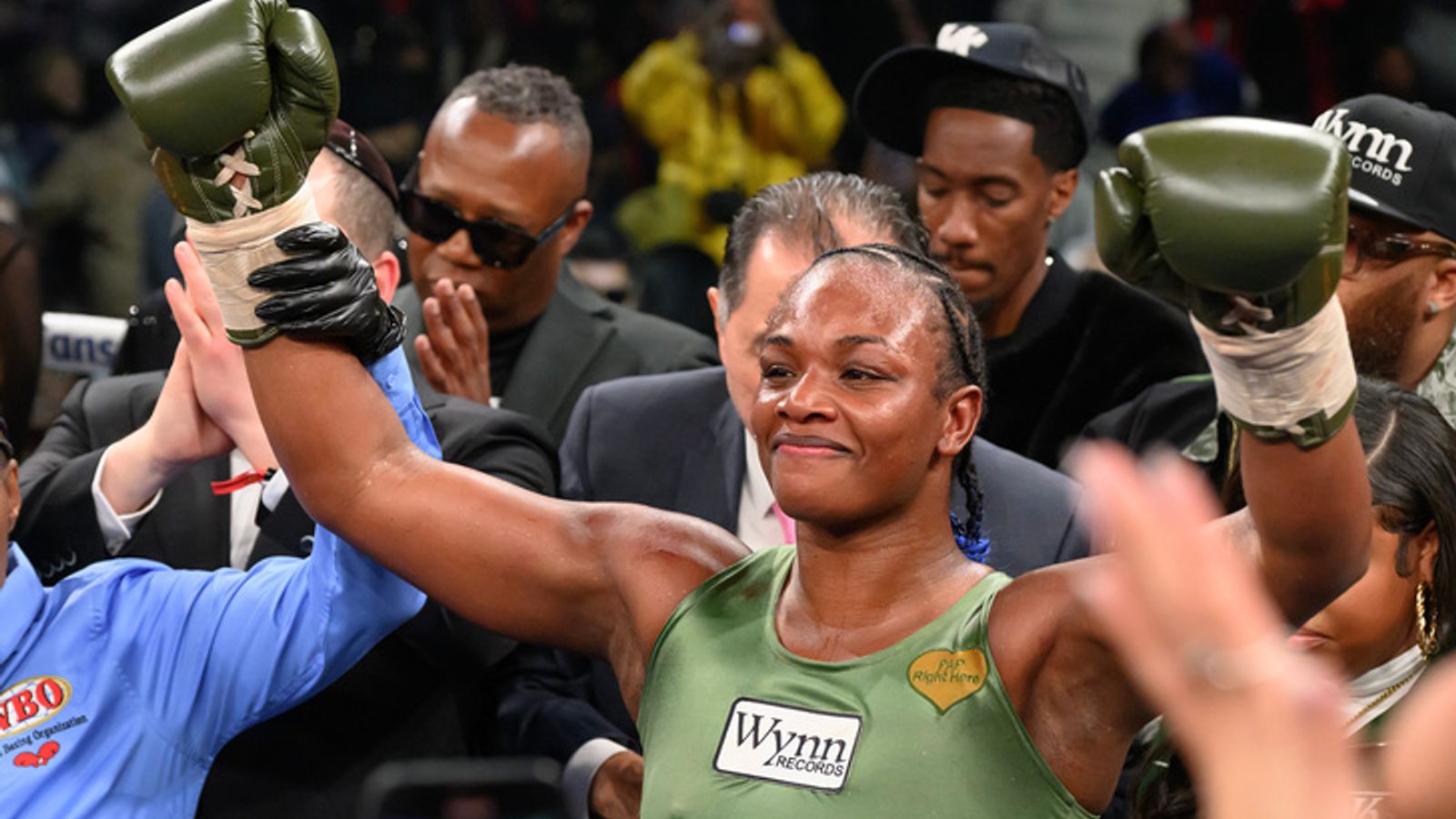
The Tanzania Boxing Federation has postponed the Women’s National Open Championship to honor Lent and Ramadan, aiming for better preparation and holistic athlete welfare.
A highly anticipated gathering of East Africa’s fiercest female fighters has been officially delayed. Originally slated for March, the Women’s National Open Championship will now take place in April as officials prioritize athletic readiness and religious observance.
The rescheduling to April 6–7, 2026, highlights a growing recognition within regional sports federations that elite performance cannot be divorced from the cultural and spiritual realities of the athletes. As East African boxing captures global attention, accommodating holistic athlete welfare is becoming a cornerstone of sustainable sporting success.
A Regulatory Tightrope in Sports Management
Sports administrators across the continent constantly walk a tightrope between maintaining rigorous international calendars and respecting the deep-rooted cultural fabric of their nations. In Tanzania, where both Christianity and Islam deeply influence daily rhythms, overlapping the demanding physical toll of competitive boxing with periods of intense fasting presents severe physiological risks.
Fasting during Ramadan or Lent fundamentally alters an athlete’s metabolic state, hydration levels, and recovery capacities. Medical professionals have long cautioned against high-impact, full-contact sports during such periods, as the lack of fluid intake during daylight hours can exacerbate the risk of concussions, muscle tearing, and severe dehydration.
Tanzania Boxing Federation (TBF) Secretary General Makore Mashaga emphasized that the federation’s decision was driven by an unwavering commitment to both the athletes’ physical safety and their constitutional right to practice their faith without professional penalty. This proactive administrative pivot reflects a mature sporting infrastructure that values longevity over short-term spectacle.
The Rise of East African Boxing
Tanzania’s boxing profile has been on a meteoric rise over the past decade, heavily fueled by grassroots investments and regional tournaments. The sport is no longer viewed merely as an underground pursuit but as a legitimate avenue for economic mobility and national pride.
During the previous year’s Zone Three Championship hosted in Nairobi, Kenya, the Tanzanian contingent proved their mettle against seasoned regional powerhouses. Athletes like Yussuf Changarawe brought home gold, signaling a shift in the regional power dynamics of the sport. The upcoming women’s championship is expected to serve as a critical scouting ground to identify the next generation of global contenders.
The host city, Dar es Salaam, particularly the scenic Mbezi Beach locale, is poised to welcome hundreds of participants, coaches, and sports enthusiasts. Local businesses anticipate a mild economic surge, demonstrating the interconnectedness of domestic sports tourism and urban economic vitality.
Fostering Female Athletic Talent
Women’s boxing in East Africa has historically faced systemic underfunding and deep-seated societal stigmas. However, modern administrative strategies are actively dismantling these barriers, creating robust platforms for female athletes to shine on equal footing with their male counterparts.
By extending the preparation window, the TBF is effectively elevating the quality of the upcoming bouts. Better preparation translates to sharper technique, enhanced stamina, and ultimately, a more marketable sporting product that can attract lucrative corporate sponsorships.
Enhanced Safety Protocols: Additional time allows for comprehensive medical screenings prior to the bouts.
Strategic Coaching: Trainers can refine tactical approaches without the pressure of a compressed timeline.
Increased Participation: Regional fighters have more time to secure travel funding and logistical support.
Commercial Viability: Promoters gain an extended runway to market the event and secure broadcasting deals.
The commitment to growing the female division is not just about equity; it is a calculated strategy to double the nation’s medal-winning potential at upcoming continental and Olympic qualifiers.
“When athletes are given adequate time to prepare, they perform at their best,” explained Mashaga, capturing the federation’s forward-looking philosophy.