
Championship winners and cars with multiple victories on their CVs usually grab the limelight when it comes to the greatest cars in Formula 1 history. But there have been some fantastic machines that have narrowly missed out on ultimate glory.
We reckon they deserve recognition too, so this is our list of the best F1 cars that didn’t win a title, drivers’ or constructors’. We’ve considered their importance, how close they came to championship success and the circumstances of their defeat – was the loss due to reasons other than the design itself?
We’ve excluded the Lotus 78 because it played a part in Lotus’s title double in 1978 prior to the arrival of the 79 (much more so than the 312B3-74 did in 1975), as well as the 1991 Williams FW14 due to its similarity to the gizmo-laden B version that dominated in 1992. Both get their fair share of recognition and would have been towards the top of the list if included.
We have used supertimes for some of this analysis. These are calculated by converting the cars’ fastest lap times over a race weekend (normally set in qualifying) to a percentage, with the outright fastest lap of the weekend expressed as 100%. We have then used the gaps between the cars in the relevant seasons.
10. Lotus 18
The 18 made Lotus an F1 frontrunner for the first time
Photo by: Motorsport Images
Years: 1960-61
Wins: 4
Poles: 5
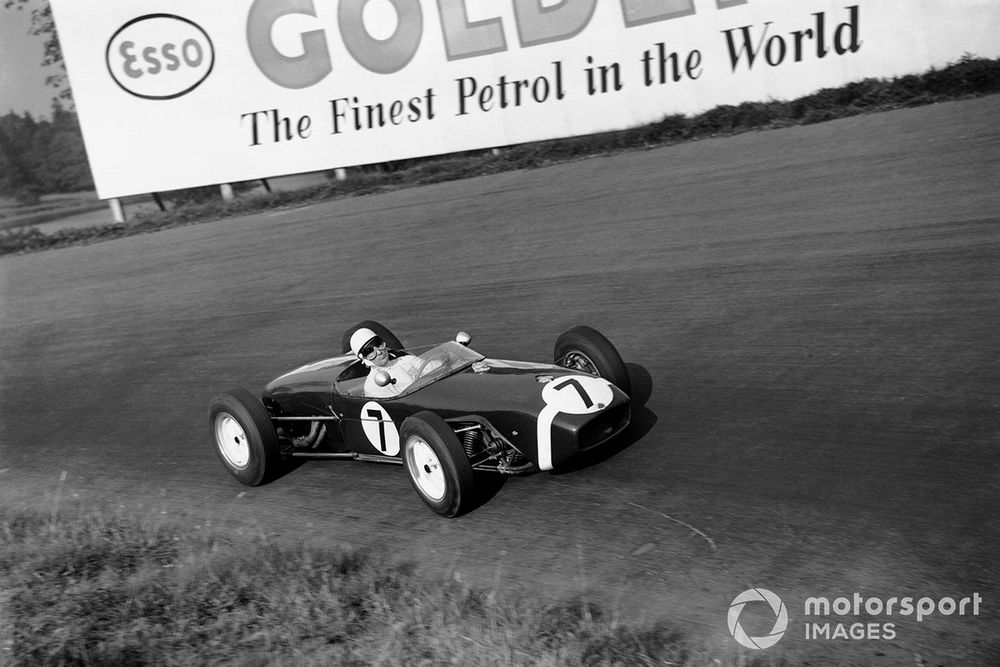
How close could Stirling Moss have got to the 1960 title in Rob Walker’s Lotus 18 had it not been for his crash at Spa? Given the accident, which put Moss out for three races, was caused by a wheel falling off, it’s perhaps a moot point when it comes to placing the car in this list.
But the pace of the first mid-engined GP Lotus pushed Cooper to develop the T53 and Moss scored wins either side of his accident, at Monaco and Riverside. The 2.5-litre car was also good enough for F1 rookie John Surtees to take a pole (one of four for the 18 in 1960) and a second, while fellow up-and-comer Jim Clark also took his first world championship podium in an 18.
Like all the British cars, the 18 was underpowered when the switch to 1500cc engines arrived in 1961. Moss won the Monaco GP in Walker’s version and then the German GP in uprated 18/21 spec against the otherwise dominant Ferraris, but those successes were arguably more down to driving virtuosity than car performance.
Nevertheless, Moss reckoned the 18 was faster than the T53 but trickier to drive, and it made Lotus an F1 frontrunner for the first time.
Read Also:
9. Ferrari SF71H
Vettel’s crash out of the lead at the German GP was a key moment in the season, but really the tide was already turning against Ferrari
Photo by: Hasan Bratic / Motorsport Images
Year: 2018
Wins: 6
Poles: 6
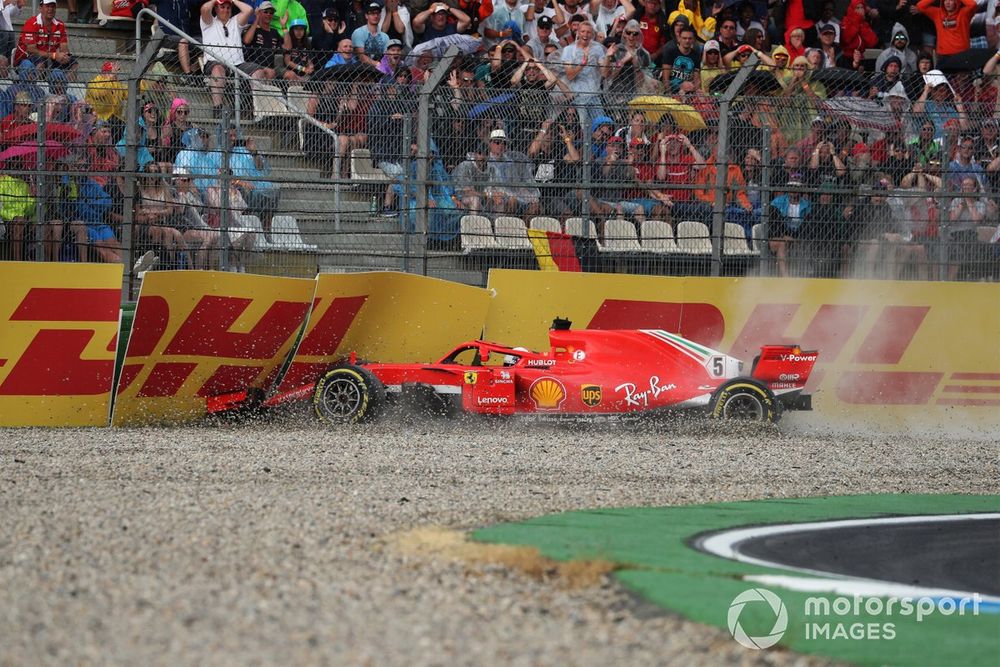
The 2018 season should have been a story of Ferrari’s Sebastian Vettel building up a points lead, then defending it from a resurgent Mercedes and Lewis Hamilton. The SF71H’s 0.118% supertimes deficit and tally of six wins probably does it an injustice; Vettel just wasn’t as good as Hamilton when it came to the crunch.
Even before the W09 really came on strong, Hamilton was in the championship lead. Vettel topped the table after winning the British GP at the campaign’s halfway mark but threw away victory in Germany by going off in a rain-affected race that Hamilton won from 14th on the grid. Rain in qualifying at the Hungaroring then allowed Mercedes to annex the front row on a weekend the SF71H looked faster, Hamilton duly racking up another victory.
Vettel beat Hamilton at Spa and Ferrari qualified 1-2 at Monza. But Kimi Raikkonen defended the lead from his team-mate on the opening lap and a rattled Vettel spun under attack from Hamilton at the second chicane. The Mercedes driver then beat Raikkonen, kicking off a winning spree that comfortably took Hamilton to his fifth crown as Ferrari’s late updates failed to hit the mark.
Despite a troubled campaign for Mercedes number two Valtteri Bottas, Ferrari was comfortably beaten to both titles. The SF71H wasn’t a dominator, but it deserved better.
8. McLaren MP4-15
McLaren’s MP4-15 was a very good car, but just not good enough to beat the Ferrari in 2000
Photo by: Motorsport Images
Year: 2000
Wins: 7
Poles: 7
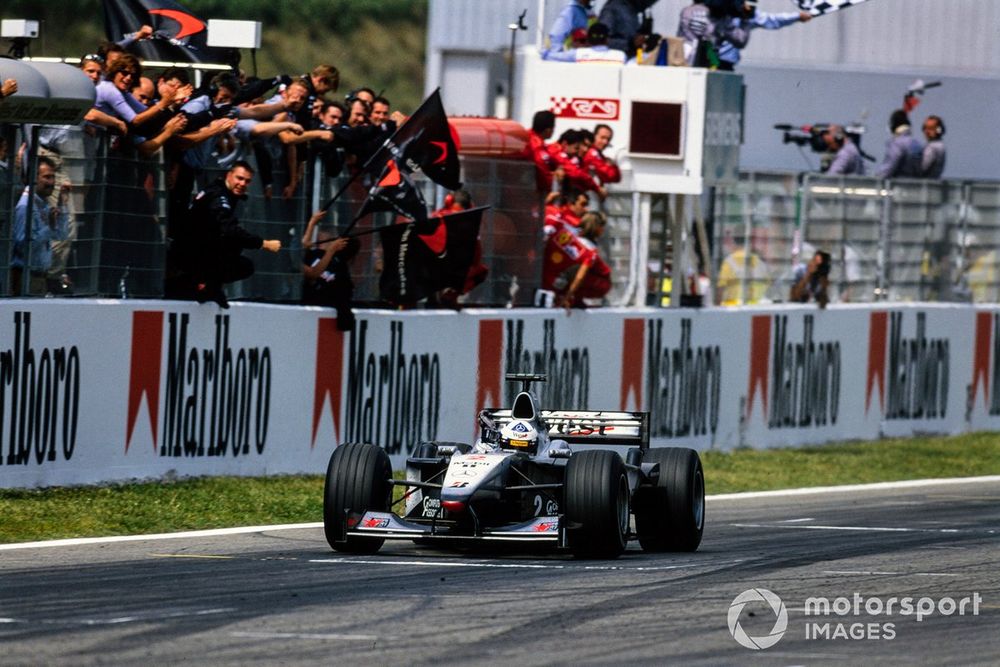
The battle in 2000 between Ferrari and McLaren, Michael Schumacher and Mika Hakkinen, was epic. The F1-2000 scored 10 wins and 10 poles to the MP4-15’s tallies of seven and seven, while the McLaren had 12 fastest laps to the Ferrari’s five. The Italian car was just 0.008% faster on supertimes.
Aside from non-scores for McLaren across the first two races, both cars were pretty reliable, too, and the teams took it in turns to have purple patches as no one else got a look in. Ferrari scored 170 points to McLaren’s 152 (after a 10-point penalty for missing seals on Hakkinen’s car in Austria), while Williams was third on just 36.
Both titles probably went the right way but such was the quality of the fight – epitomised by the intensity of the Schuey vs Hakkinen battle at Suzuka – that the MP4-15 deserves a place on this list. Rarely has a loser been so good.
7. McLaren MP4-20
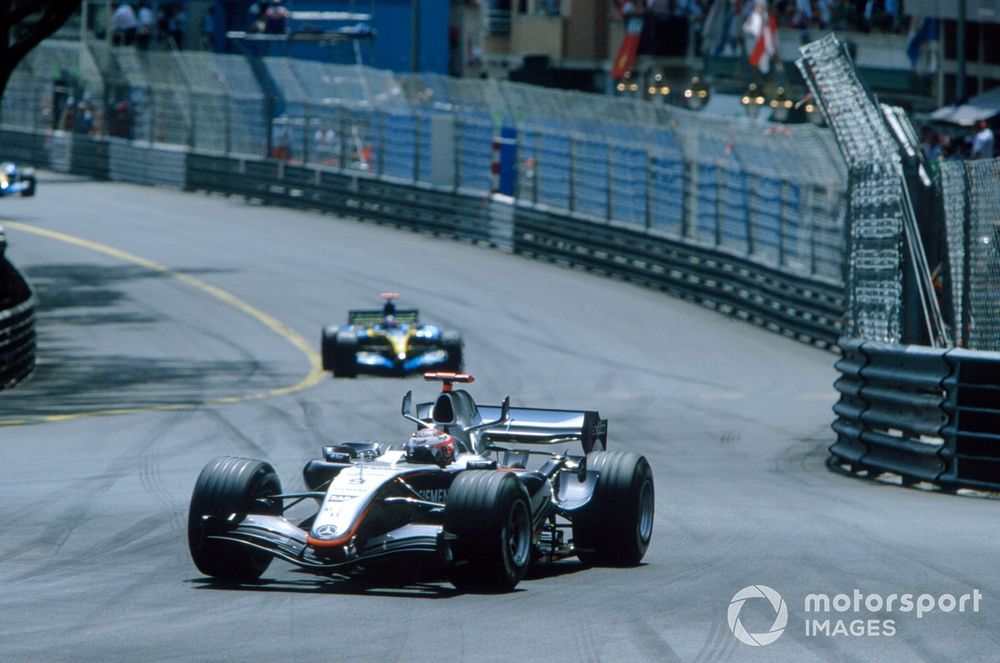
McLaren duo Raikkonen and Montoya produced stunning performances in the MP4-20, but couldn’t match the relentless consistency of Alonso in the Renault
Photo by: Michael Cooper / Motorsport Images
Year: 2005
Wins: 10
Poles: 7
A fan favourite, the MP4-20 is hard to place on this list. In terms of raw performance, it is the second-fastest car here, with a supertimes advantage of 0.292%. But it was also the architect of its own downfall, with unreliability harming McLaren and lead driver Kimi Raikkonen in their battle with Renault and Fernando Alonso.
It took a while for McLaren to get the best out of the MP4-20 in the one season of F1’s one-set-of-tyres-per-race rule, with Raikkonen hitting his stride from round four at Imola.
There, he led early on before a driveshaft failure. Engine problems handed Raikkonen 10-place grid penalties for the French (won by Alonso, with Kimi second), British (won by Juan Pablo Montoya’s McLaren, with Raikkonen third) and Italian (Montoya, with Kimi behind the two Renaults in fourth) GPs. Hydraulics failure also put Raikkonen out while leading the German GP. Montoya also suffered drama.
In between times, there was some dominant performances from the MP4-20, which pioneered seamless shift technology: Raikkonen won in Spain by nearly half a minute; he led every lap at Monaco; Montoya headed a 1-2 in Brazil. There was also Raikkonen’s stunning victory from 17th on the grid (after another penalty!) at Suzuka. But McLaren simply made his job too difficult.
Read Also:
For his part, Alonso was his relentless self, racking up points whenever he couldn’t win. It was his pressure that forced an error from Raikkonen at the Nurburgring that flat-spotted a tyre and ultimately led to the dramatic suspension failure on the last lap. It should also be noted that, with the drivers’ title sewn up and everything ‘turned up to 11’, Alonso beat the McLarens in the Chinese GP finale to secure the constructors’ crown.
6. Ferrari 312B3-74
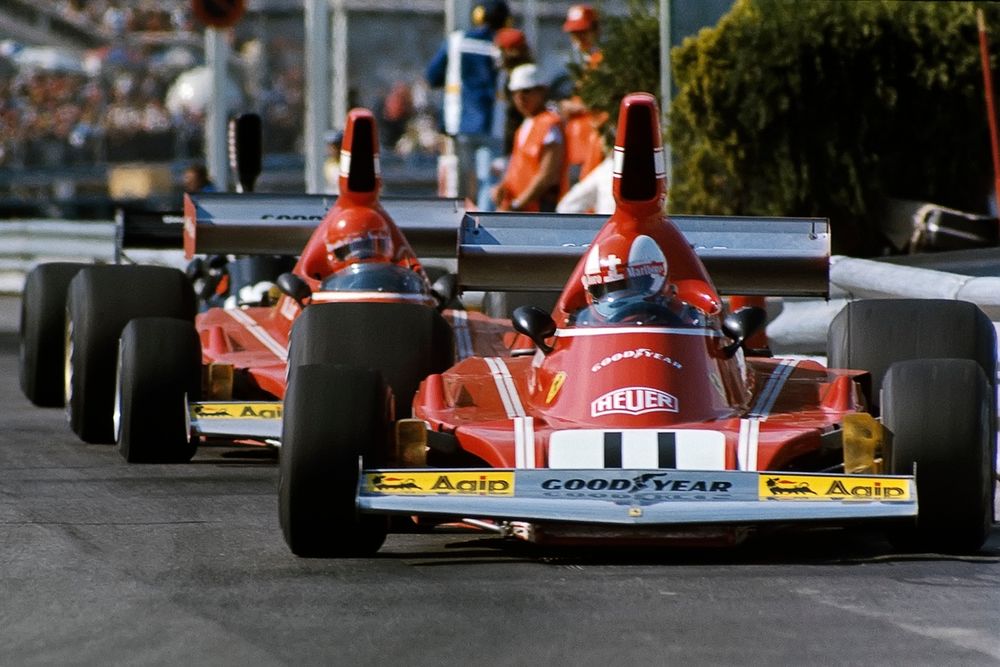
The 312B3-74 had the biggest performance advantage over its rivals out of any car on this list
Photo by: Bernard Cahier / Getty Images
Year: 1974-75
Wins: 3
Poles: 10
In terms of squandering a pace advantage, the 312B3-74 tops this list. It took 10 poles from 15 races and had a 0.716% edge over the field. To put that into perspective, that’s bigger than the spread covering the top four teams in 2025!
The original 312B’s performance in 1970 – when it won four times and took five poles – made it a candidate here. But most of its successes came after Lotus star Jochen Rindt’s death at Monza and it was soon surpassed by the early Tyrrells, so it’s the heavily changed version that gets the nod.
Ferrari’s answer to an appalling 1973 F1 season was to quit sportscar racing and completely revise its grand prix car – and sign Niki Lauda. The Austrian took nine poles but unreliability – not to mention a puncture followed by a bizarre pitlane delay at Brands Hatch – hampered his 1974 challenge and limited him to fourth in the standings.
Instead, Clay Regazzoni – who only took one win but picked up points in 11 races – went to the Watkins Glen finale with a chance of the crown. Fourth for Emerson Fittipaldi was enough for the Brazilian to take his second title and McLaren somehow pipped Ferrari to the constructors’ title as well.
Ferrari’s own website still claims that “a big chance had been lost” and we’re inclined to agree, though it did set the scene for a title double with the 312T in 1975, after the 312B3 had contested the first two rounds.
5. Red Bull RB5
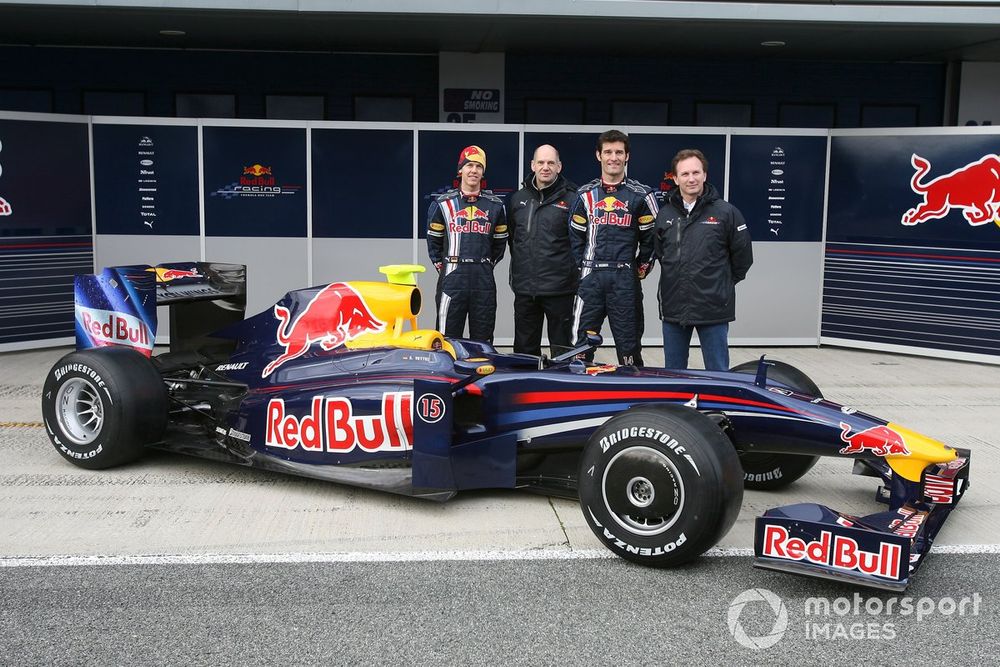
Red Bull’s RB5 didn’t win a title, but it did set up a line of four consecutive championship doubles that followed
Photo by: Motorsport Images
Year: 2009
Wins: 6
Poles: 5
This could be the most significant car of our 10 because it set the design trend for the subsequent Adrian Newey-penned Red Bull’s that would take championship doubles for the next four years.
Given the early domination shown by the Brawn BGP 001, complete with controversial double diffuser, it’s perhaps a surprise that the RB5 comes out on top in the supertimes by 0.112%. That’s how quick the car was, even though it was not designed around the downforce-boosting diffuser trick that Red Bull had to crowbar in retrospectively.
Red Bull and lead driver Vettel were new to winning – the German’s victory in China that year being the team’s first – so mistakes were made and Vettel couldn’t match eventual champion Jenson Button’s finishing record. Nevertheless, Vettel won two of the final three GPs to take his 2009 tally to four, despite a resurgent McLaren also becoming a challenger.
Red Bull was the only team (aside from sister squad Toro Rosso) to use a pullrod rear suspension, but it was retained for Newey’s subsequent successful racers and adopted by some rivals.
Quite where to place the RB5 might depend on how you feel about whether the double diffuser should have been allowed or not. Given it was, we think a spot in the middle of this list is fair.
4. Williams FW17
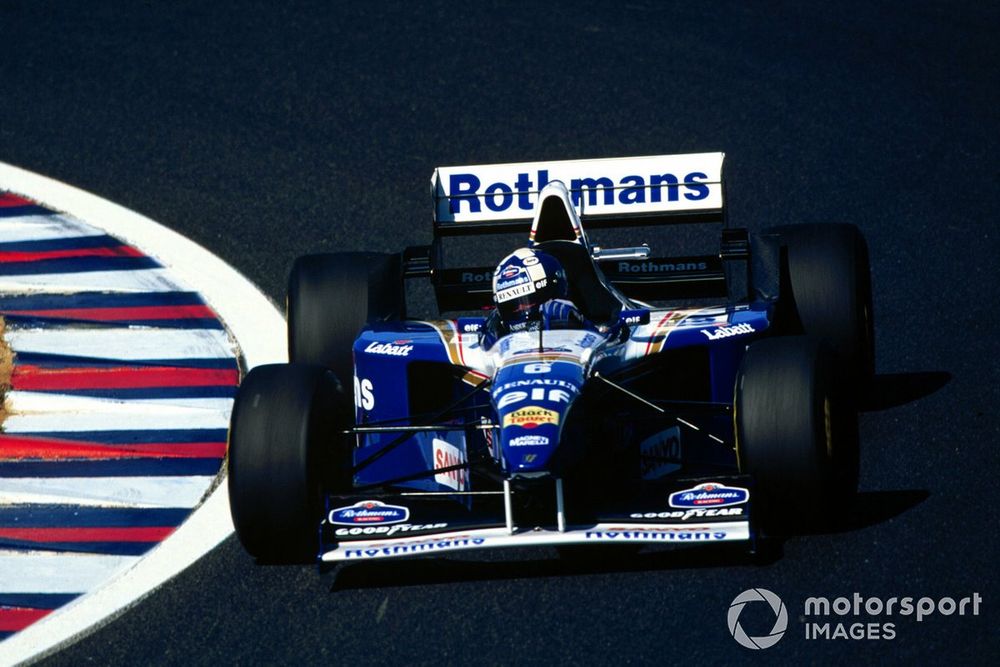
A quick car but unreliability, errors and a strong Benetton/Schumacher opposition left it trailing
Photo by: Motorsport Images
Year: 1995
Wins: 5
Poles: 12
It’s hard to imagine a car taking 12 poles from 17 races not coming close to winning a title, but that’s what the FW17 managed in 1995. Benetton’s Michael Schumacher scored almost as many points as Williams duo Damon Hill and David Coulthard combined, with Benetton also taking its one and only constructors’ crown with the B195.
Despite being briefly hampered by a change to the construction of Goodyear’s front tyres, the FW17 was 0.185% faster on supertimes. But Benetton under Ross Brawn proved more agile when it came to strategy in F1’s refuelling era, while Hill and rookie Coulthard couldn’t match Schumacher’s brilliance across the campaign.
Aside from being outgunned strategically, Williams also suffered with both reliability and driver errors. Four of Hill’s seven retirements were driver-related, though twice he was pitched out of the lead by car issues.
Coulthard’s problems – he had eight retirements – included gearbox and electrical gremlins, but he also suffered two big embarrassments, spinning on the parade lap from pole at Monza (before a wheel bearing let him down at the restart) and crashing coming into the pits at the Adelaide finale.
Hill won that race – by a record-matching two laps (!) – and the FW18 that dominated 1996 had a clear lineage to its predecessor. It’s not hard to imagine a Benetton-run, Schumacher-driven FW17 clearing up.
3. BRM P261
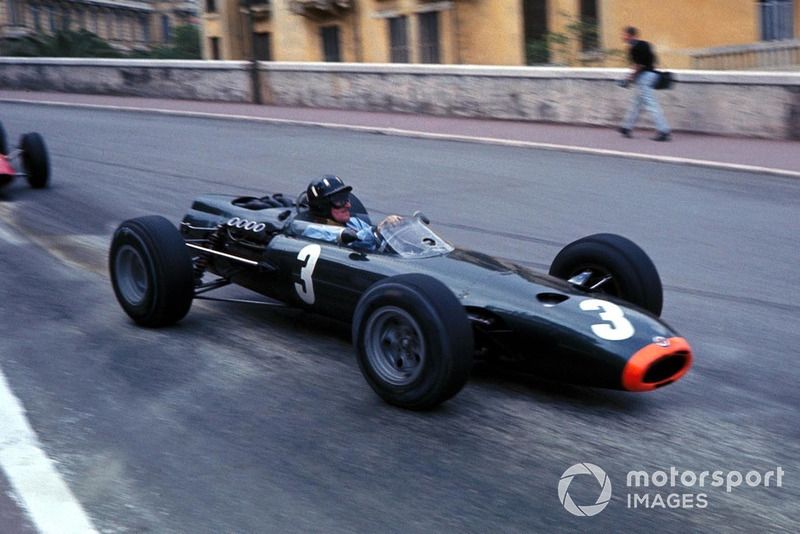
With a different scoring system, BRM would have beaten Lotus to the 1965 title
Photo by: Sutton Images
Years: 1964-66
Wins: 6
Poles: 5
Using the 2025 scoring system, BRM would have beaten Lotus to the 1965 constructors’ crown thanks to Graham Hill and star rookie Jackie Stewart. But it’s difficult to argue the P261 was the best performer of the season given Clark won six of the 10 rounds for Lotus.
Nevertheless, the Tony Rudd design was the closest challenger to Colin Chapman’s Lotus 25 and 33 models across 1964-65. Helped by Lotus unreliability, Hill went to the 1964 finale with a chance of the crown and could have taken the title but for a controversial clash with Lorenzo Bandini’s Ferrari. As it was, Hill only lost to Ferrari’s John Surtees thanks to the ‘best six results count’ system by one point, having scored one more than his rival overall.
In two-litre form the P261 was good enough to beat Clark to the Tasman crown in early 1966, Stewart leading Hill in a 1-2 as they won six of the eight races in the ‘winter world championship’ in Australia and New Zealand.
While teams (including BRM) struggled to make the most of the new three-litre F1 rules in 1966, the P261 remained competitive with the bigger version of its V8 and Stewart scored the car’s sixth world championship success at the Monaco GP, completing the P261’s hat-trick around the principality.
2. Ferrari 375
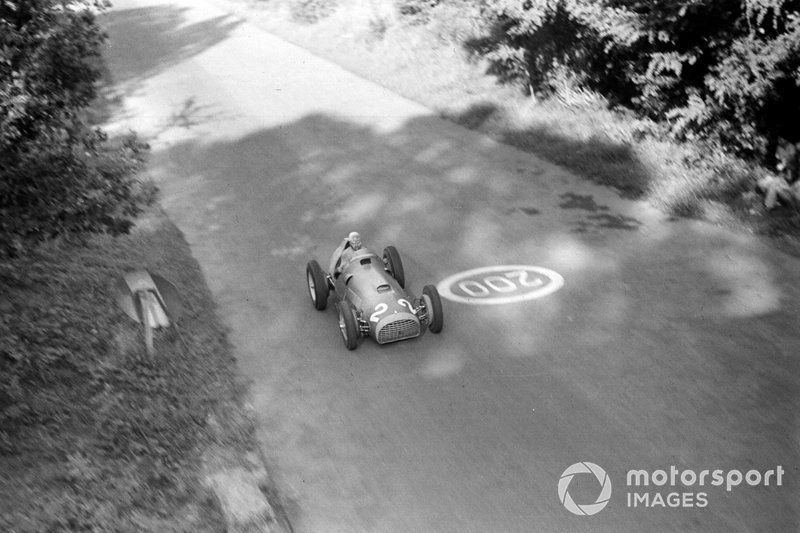
A switch to smaller-diameter wheels at the Spanish GP title showdown denied Ferrari
Photo by: Motorsport Images
Year: 1951
Wins: 3
Poles: 3
The 375 should have been the first Ferrari to win a world championship but was undone by one of motorsport’s great gaffes.
Aurelio Lampredi had gradually developed bigger and bigger versions of his unsupercharged V12, which was more frugal than the supercharged 1.5-litre straight-eight that powered the pacesetting Alfa Romeo 158/159 and so required fewer fuel stops. Having finally made the winning breakthrough at the 1951 British GP with Jose Froilan Gonzalez, Ferrari got on a roll.
Lead driver Alberto Ascari won both the German and Italian GPs, setting up a Spanish showdown with Alfa’s Juan Manuel Fangio for the drivers’ crown. But a switch to smaller-diameter wheels proved catastrophic for the tyres and poleman Ascari’s hopes vanished amid shredded rubber.
Once the world championship moved to F2 machinery for 1952 (and Ascari had taken a 375 to the Indianapolis 500), the car remained the benchmark in non-championship Formula 1/Libre events for BRM and Tony Vandervell to measure the progress of their nascent GP projects…
Read Also:
1. McLaren MP4-22
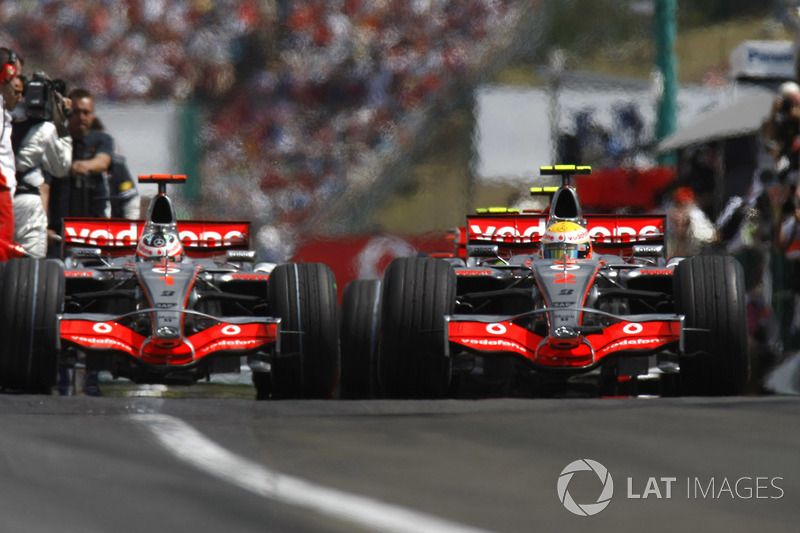
Bitter rivalry on the track and spygate off it denied the MP4-22 even though it scored the most points and was the fastest car
Photo by: Steven Tee / Motorsport Images
Year: 2007
Wins: 8
Poles: 8
This has to be number one because it wasn’t on-track results that denied the MP4-22 a championship. A simple look at the points totals of Hamilton and Alonso shows that McLaren scored more than Ferrari in 2007. Except it didn’t.
Thanks to the qualifying nonsense between Hamilton and Alonso in Hungary – which ended with the Spaniard being slow out of the pitlane for the final runs, delaying the Briton enough not to get a lap in – McLaren was stripped of the points that it scored that weekend: 15.
That became moot when McLaren was thrown out of the constructors’ championship altogether (and fined $100million) due to the ‘spygate’ scandal following the passing over of sensitive Ferrari documents to chief designer Mike Coughlan. But the fact remains that the MP4-22 scored 218 points in the drivers’ contest to Ferrari’s 204.
McLaren adapted well with the switch from Michelin to Bridgestone tyres and both teams pushed on with rapid development. They took all 17 wins and poles between them, 9-8 to Ferrari in each case, but with the McLaren proving 0.205% faster on supertimes.
Not only was the MP4-22 denied the constructors’ crown by factors outside its control, it provided Hamilton with the tools to put in the greatest rookie campaign in F1 history. A pitlane faux pas in China, gearbox glitch in the Brazilian GP finale and Felipe Massa moving aside for his Ferrari team-mate at Interlagos was just enough for Raikkonen to snatch the drivers’ laurels by a single point.
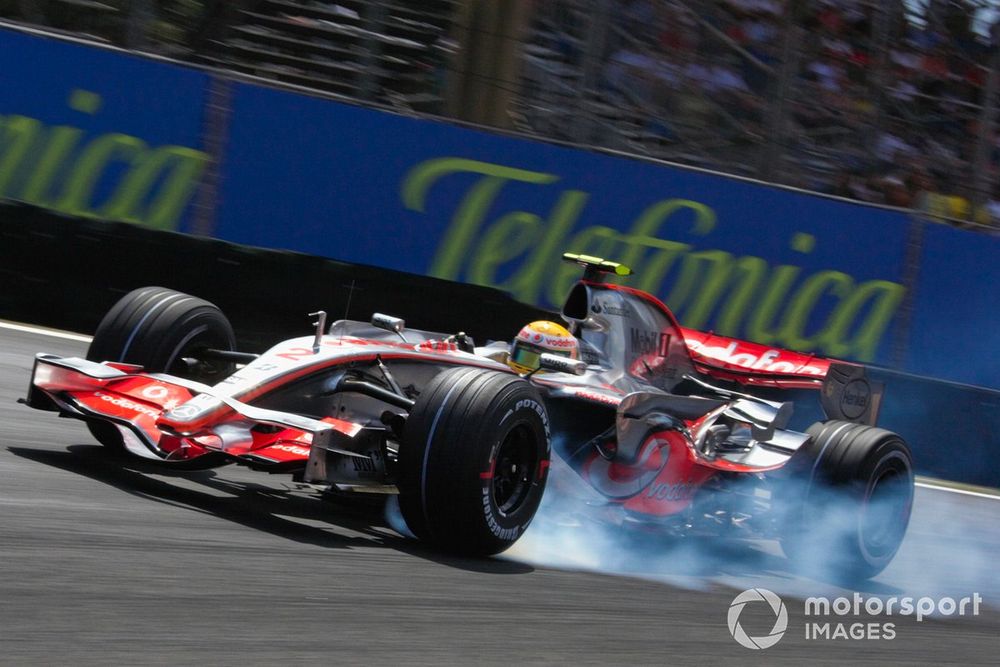
Hamilton came up one point short from winning the drivers’ title in his rookie season
Photo by: Rainer W. Schlegelmilch / Motorsport Images
We want to hear from you!
Let us know what you would like to see from us in the future.
– The Autosport.com Team