
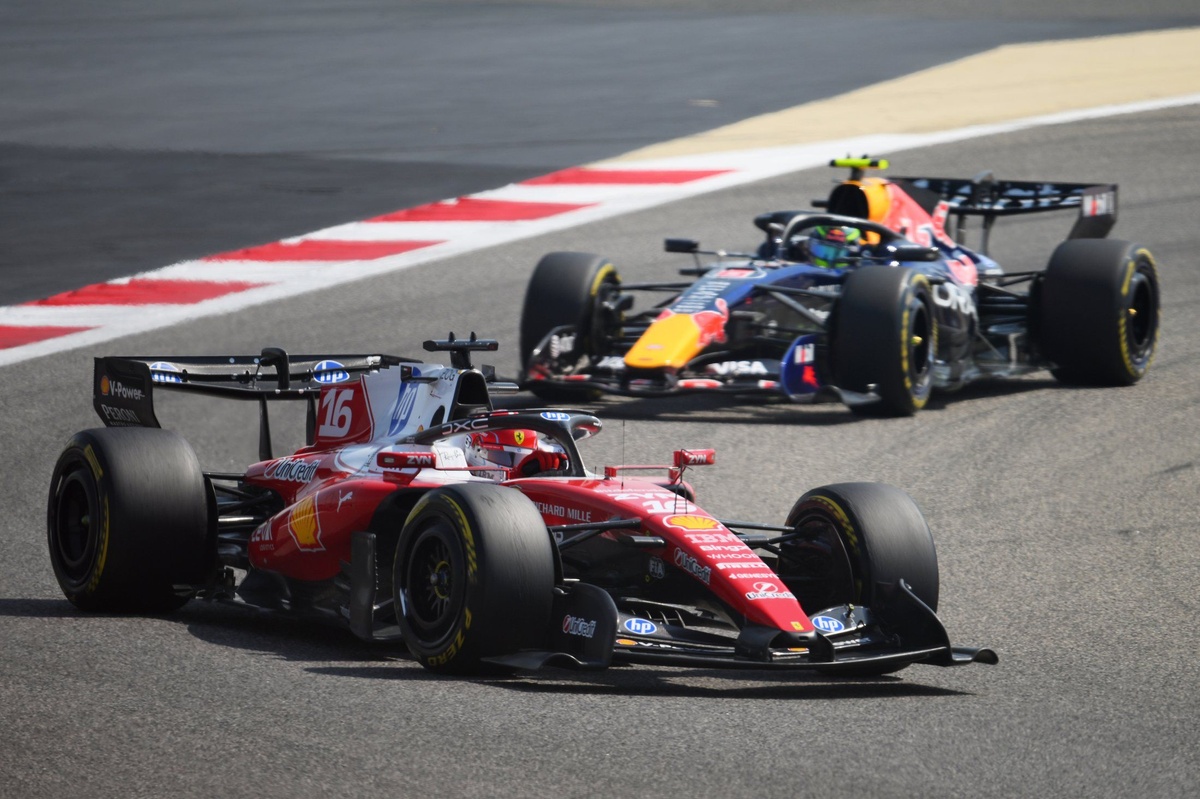
If you take every top team at their word, nobody will win the Australian Grand Prix.
Ferrari is remaining cautious while piling further upgrades on its car and impressing punters with its rotisserie rear wing, while Charles Leclerc is heavily assuming Mercedes is sandbagging.
Is Mercedes ‘A-class’ apart? Absolutely not, good sir. Did you not see Red Bull Ford’s engine deployment? The eighth wonder of the modern world. There’s a reason why Ford’s official motto is ‘Go Further’ (on the straight without running out of battery).
If you believe that, I also have a bridge to sell you, is a loose way of summing up Red Bull’s tech chief Pierre Wache’s parry, who pegged the RB22 as the field’s fourth-fastest car. While the amicable Frenchman and his vape are an inseparable duo, he is not known as someone who just blows smoke for the sake of it.
McLaren’s team boss Andrea Stella is also singing from a similar hymn sheet, the Italian tenor serenading Mercedes and Ferrari as the two frontrunners, a stance which long run data from the final test has backed up. If you were to take that at face value, naturally.
Leclerc’s sandbagging claims don’t come out of nowhere, of course. He has been here before. Fool me once…
When the Monegasque made his Ferrari debut in 2019, to all the world it looked like he and four-time champion team-mate Sebastian Vettel were going to have a leg up on the competition. They had, as it was sometimes declared by media outlets, won the testing war, a ludicrous oxymoron which people wisely moved on from.
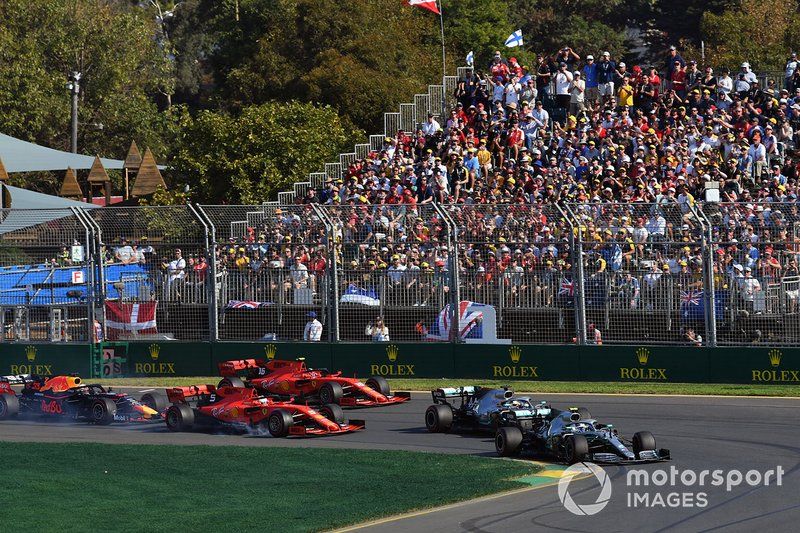
Back in 2019 Ferrari’s hopes were shattered by Mercedes taking off its sandbags after testing and stretching clear of its rivals
Photo by: Mark Sutton / Motorsport Images
“I think it’s potentially half a second,” then-Mercedes ace Lewis Hamilton sized up Ferrari’s advantage at the time. “This is going to be the toughest battle yet. Their pace is very, very good at the moment, so the challenge is going to be harder than ever. We’ve got a hill to climb.”
Hamilton then went on to take pole in Melbourne ahead of team-mate Valtteri Bottas, putting seven tenths on nearest chaser Vettel. The Brackley squad won the first eight grands prix as Mercedes ran riot, and Hamilton cantered to a sixth world title.
Read Also:
Cynics will suggest there is a direct link between Mercedes repeating its sandbagging antics now and the ongoing political drama over its engine’s compression ratios. That may be true, although it is hard to see how turning down the wick in testing would make any difference to that discussion. Rival manufacturers have been trying to land an opportunistic punch based on how they interpret the rulebook, not on testing pace. Perhaps Mercedes is just bringing back the sandbags because it hasn’t been in such an advantageous position since it was last so dominant. To someone as competitive as Toto Wolff, emerging from an underdog position to brutally crush the opposition is one of the great joys in life.
“I think this morning you had two cars in less than two tenths. And we have no clue about the engine, about the level of fuel, tons of parameters that are making a much bigger difference than two tenths of difference between two cars” Fred Vasseur
On the other side of the spectrum, we’re reporting with some sadness that exciting glory runs appear to be a thing of the past. The most famous example is probably Prost Grand Prix in 2001, when Jean Alesi set a lap in Estoril testing half a second faster than the competition in the beautifully sleek blue Prost with Acer-badged Ferrari engines. Coincidentally (or not) the car ran without any sponsor logos, and it later turned out it had run under the minimum weight limit to put itself in the shop window.
In Melbourne Alesi went on to qualify 14th, just the three full seconds off polesitter Michael Schumacher in the Ferrari. The team folded 12 months later. But now that all teams are well funded in the much saner cost cap era, if not making money, they aren’t resorting to the same level of desperation to woo potential sponsors.
If anything, sandbagging has been made even easier with the 2026 cars. Ordinarily, hiding performance was done through turning down the engine or schlepping around additional fuel to the tune of three tenths per 10 kilos, with enough indicators of such on the GPS traces for rival engineers to make a reasonable guess at what is going on. But with the dramatic energy saving and harvesting requirements of the new hybrid engines, additional ways of fooling the opposition have emerged.
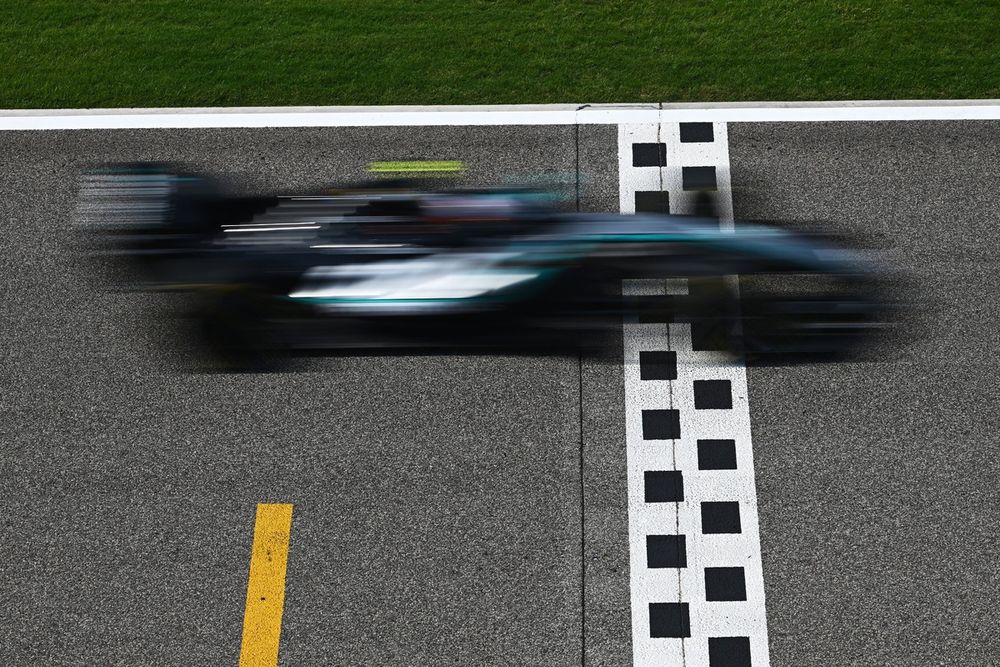
Trying to find out which team is holding back performance, and to what rate, is harder to tell with the new cars
Photo by: Guido De Bortoli / LAT Images via Getty Images
Speaking on the penultimate day of winter testing, Ferrari boss Fred Vasseur said: “I think this morning you had two cars in less than two tenths. And we have no clue about the engine, about the level of fuel, tons of parameters that are making a much bigger difference than two tenths of difference between two cars.”
There is, of course, no such thing as winning testing. But the typical gamesmanship shouldn’t be something to slate Mercedes or others for. It’s part and parcel of F1 and only adds to the intriguing going into next week’s Australian curtain raiser. Gamesmanship elevated to an art form that is simply harder to replicate in other, less technical or duplicitous sports.
For the first time in several years we don’t really know who is going to be ahead on Saturday, and we certainly don’t know who’s still going to be running at the front by the end of Sunday afternoon. The same uncertainty applies to the new regulations. The Melbourne opener might turn out to be a snoozefest or a ticker tape parade of carbon fibre. It might also be… fine?
The not-knowing makes this time of the year one of the most exciting parts of a new season. Enjoy it while it lasts.
Read Also:
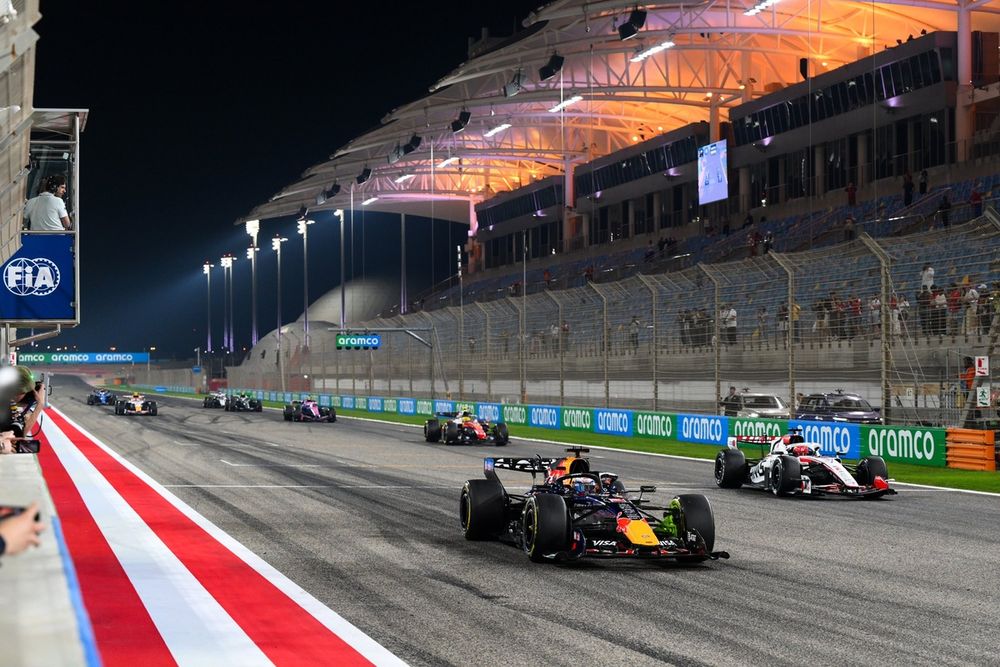
All will be revealed on Sunday afternoon in Melbourne
Photo by: Simon Galloway / LAT Images via Getty Images
We want to hear from you!
Let us know what you would like to see from us in the future.
– The Autosport.com Team