
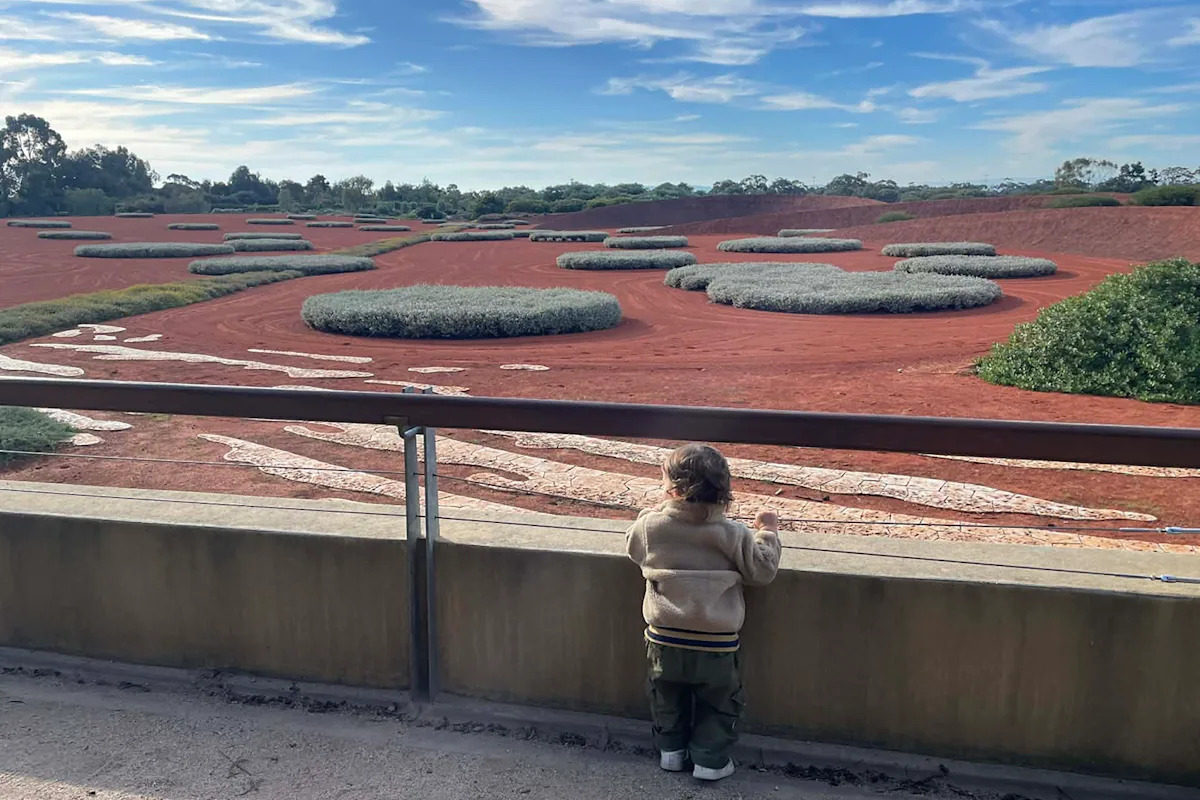
There’s an incredible secret hidden at the edge of a suburban park in Melbourne that could save a rare native rodent from extinction. The last time pookila were documented in Cranbourne, in the city’s southeast, was 1976, but now they’re flourishing again behind a predator-proof fence.
That year, Malcolm Fraser was prime minister, Rocky was playing at the cinemas, and ABBA’s Fernando was topping the charts. Fifty years on, Zoos Victoria has confirmed pookila are once again breeding at the Royal Botanic Gardens Cranbourne, thanks to a program it initiated in 2022.
They’re kept safe at a secure facility, away from the structured gardens that most visitors bring their families to experience.
It’s important they’re kept safe from predators, because there are few remaining in the wild. You can watch a video of some of the pookila pups below.
Why most Aussies will never see a pookila
Dr Phoebe Burns, a native rodent biologist at the zoo, has been working with “pooks” for over a decade.
She said it’s rare to come across “pooks” in the wild because they live in complex underground burrow systems, are nocturnal, don’t have an odour like feral mice, and they make little noise.
“They very rarely make sounds. They make these soft, gentle, almost chirping, squeak noises,” she told Yahoo News.
“That’s how we figure out they’ve got pups in their underground nests in our breeding facilities — zoo keepers need to stand next to the enclosures and listen very carefully.”
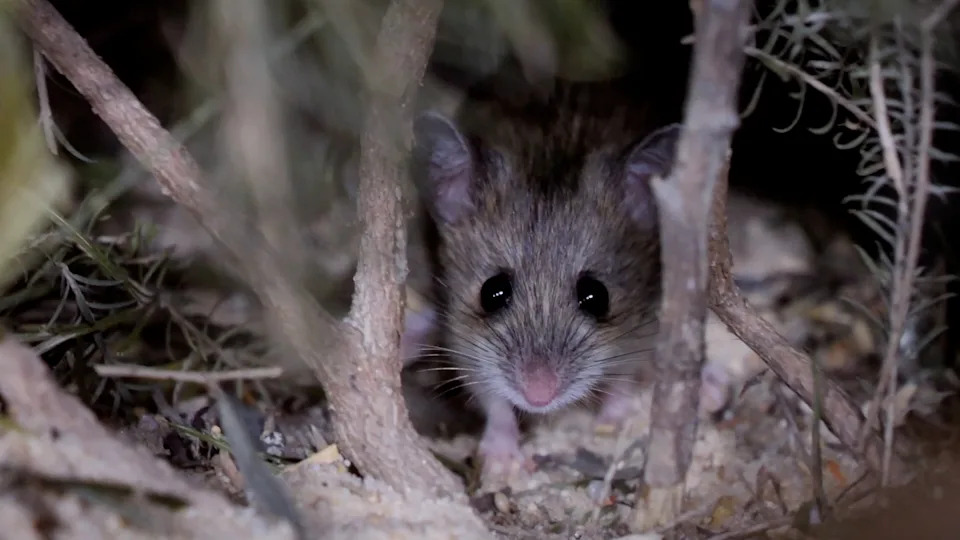
Unlike invasive mice, the pookila (pictured) don’t have a bad odour. Source: Zoos Victoria
How many of these tiny creatures are left?
“Pooks” are listed as endangered, and Melbourne Zoo and Moonlit Sanctuary have been breeding them to try to prevent their extinction in the wild.
Although they were once widespread in Victoria’s coastal heathland, from Loch Sport in East Gippsland to Anglesea in the west, numbers have plummeted.
It’s thought that a total of just 3,000 remain at its five known strongholds.
Since 2024, a total of 76 pookila have been released at the Cranbourne site and around 30 pups have been born.
Dr Burns explained the original colony was created using individuals from multiple sites to improve their genetics and form an “insurance population”.
“The other populations left in Victoria are geographically close to each other, so there are effectively only two areas where the five wild populations are found,” she said.
“Because they’re close together, they’re susceptible to the same threats, but the Cranbourne population is further away, so it spreads the geographic risk.”
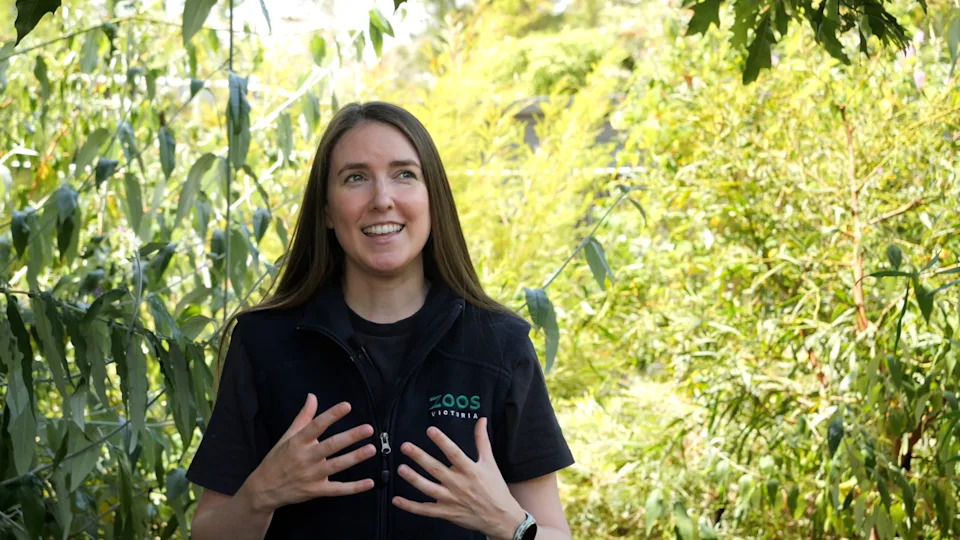
Dr Phoebe Burns (pictured) has been working withe pookila for over a decade. Source: Zoos Victoria
Why pookila from other states can’t join the breeding program
Smaller-sized colonies of “pooks” are found in NSW, and there are larger individuals in Tasmania. The size difference is likely due to Bergmann’s Rule, which states that warm-blooded animals grow larger closer to the North and South Poles so they retain heat.
Because they’re considered to be distinct, the Victorian, NSW and Tasmanian populations can’t be interbred.
Hope growing pookila can be saved
No matter where they live, “pooks” are particularly impacted by drought, which is becoming a greater threat due to climate change.
In Victoria, they range from 18 to 25 grams and don’t have enough body mass to conserve water.
“When the environment is really dry, numbers crash,” Dr Burns said.
They are also particularly susceptible to habitat destruction along their coastal range, household rodenticides, and bushfires. In 2023, a bushfire wiped out 60 per cent of their habitat at Loch Sport.
Because of the perils they face, the success achieved by the Zoos Victoria conservation breeding program has given its staff hope the species will not be lost.
“We can see conservation working and its recovery is properly underway,” Dr Burns said.
“It’s a very exciting species to work with.”
Do you have a story tip? Email: newsroomau@yahoonews.com.
You can also follow us on Facebook, Instagram, TikTok, Twitter and YouTube.