
SALMON skin and mussel waste could soon play a role in Australia’s booming health and cosmetics industries, under a new partnership between Deakin University and Bellarine Foods.
The collaboration is exploring how high-value proteins extracted from local marine byproducts – including collagen – could be used in protein powers, nutraceuticals and anti-ageing skincare products.
The project is aimed at building Australia’s capability to manufacture sustainable, homegrown protein ingredients rather than relying on imports.
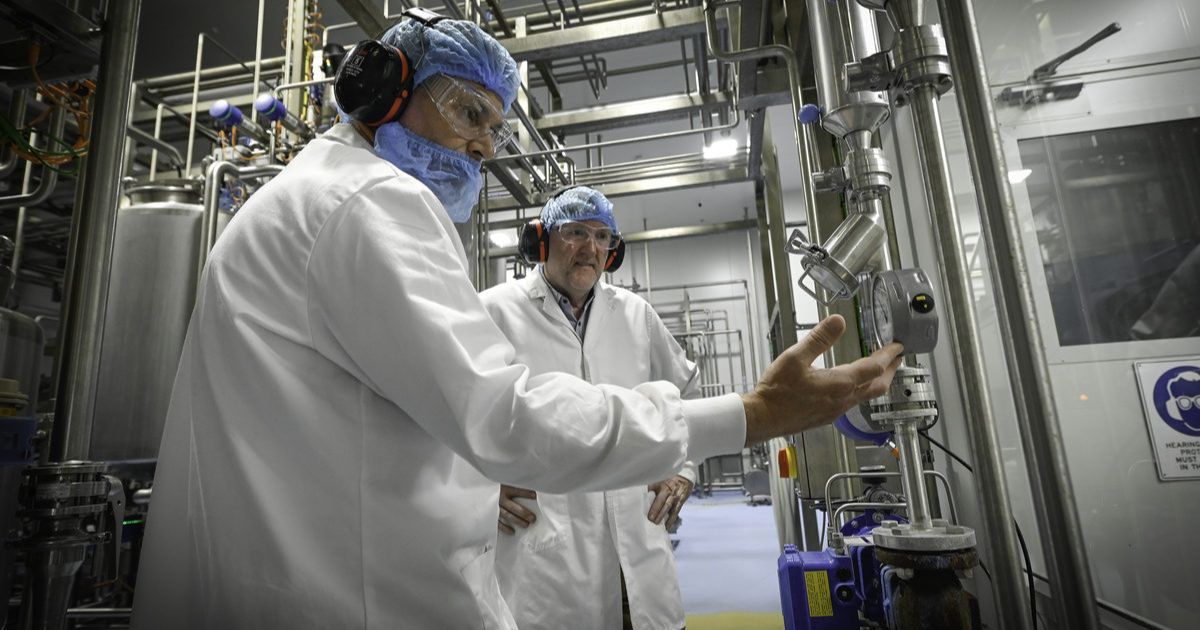
The research is led by Distinguished Professor Colin Barrow. His team is investigating an enzyme-based extraction process designed to recover valuable proteins from aquaculture waste without the use of harsh chemicals.
“Marine byproducts from salmon skin and mussels, such as collagen, are incredibly rich in protein and hold tremendous potential for health-focused products,” he said.
“Our focus is on developing safer, chemical-free extraction processes that reduces landfill waste, supports a circular economy and lay the foundation for a greener, more sustainable future for the aquaculture industry.”
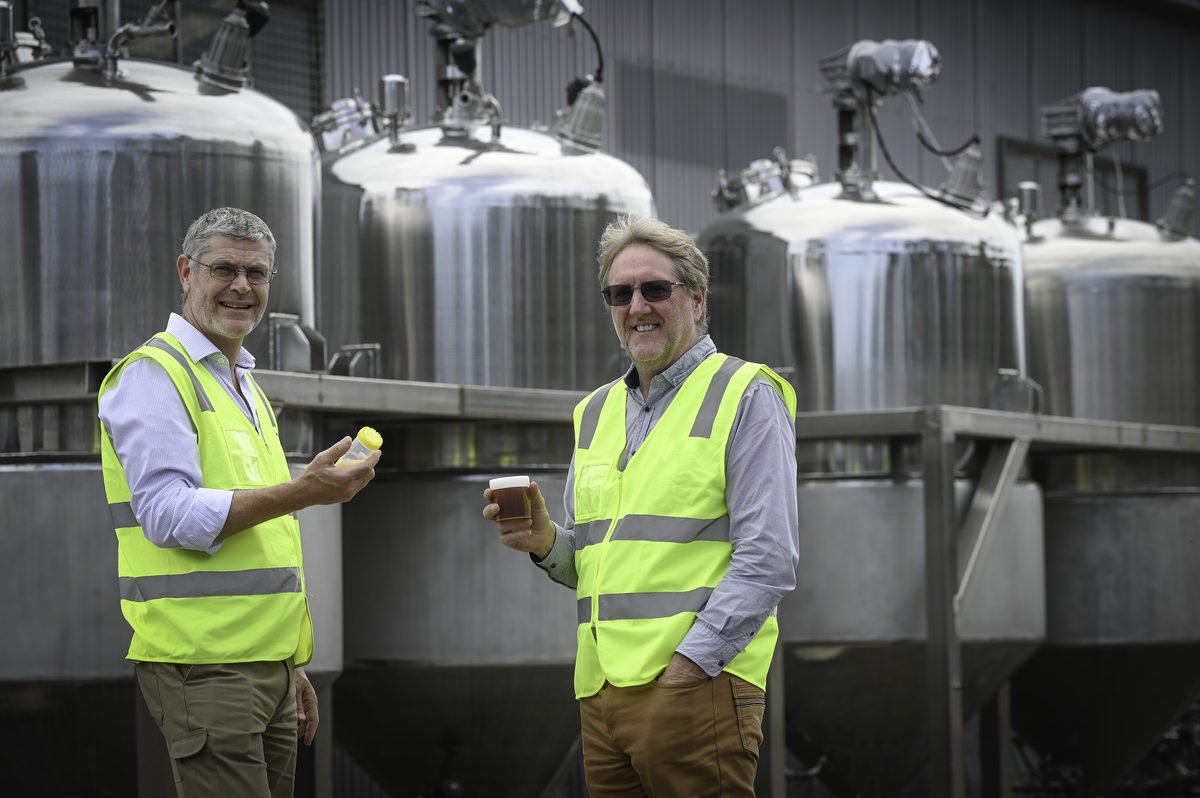 Bellarine Foods chief executive Murray de Jong and Distinguished Professor Colin Barrow. Photo: Supplied
Early laboratory trials have been promising, with potential applications ranging from omega-3 supplements supporting brain and heart health to collagen-enriched products aimed at muscle recovery and skin elasticity.
The collaboration also involves CSIRO’s Food Innovation Centre in Werribee, which will assist in scaling the extraction process and assessing commercial and environmental viability. The team plans to move from laboratory testing to pilot production this year, with a commercial rollout to follow.
Bellarine Foods chief executive, Murray de Jong, said the focus was on developing a production model that could compete internationally while remaining locally grounded.
“We’re focused on developing a production model that’s cost-effective, market-ready and delivers high grade hydrolysed proteins – like collagen – used in wellness supplements, protein powders and anti-ageing products,” he said.
“It’s not just about the technology, it’s about creating a trusted, homegrown supply chain grounded in Australia.
“We want to offer wellness products that meet the highest quality standards and ingredient transparency, something imported products often lack.”