
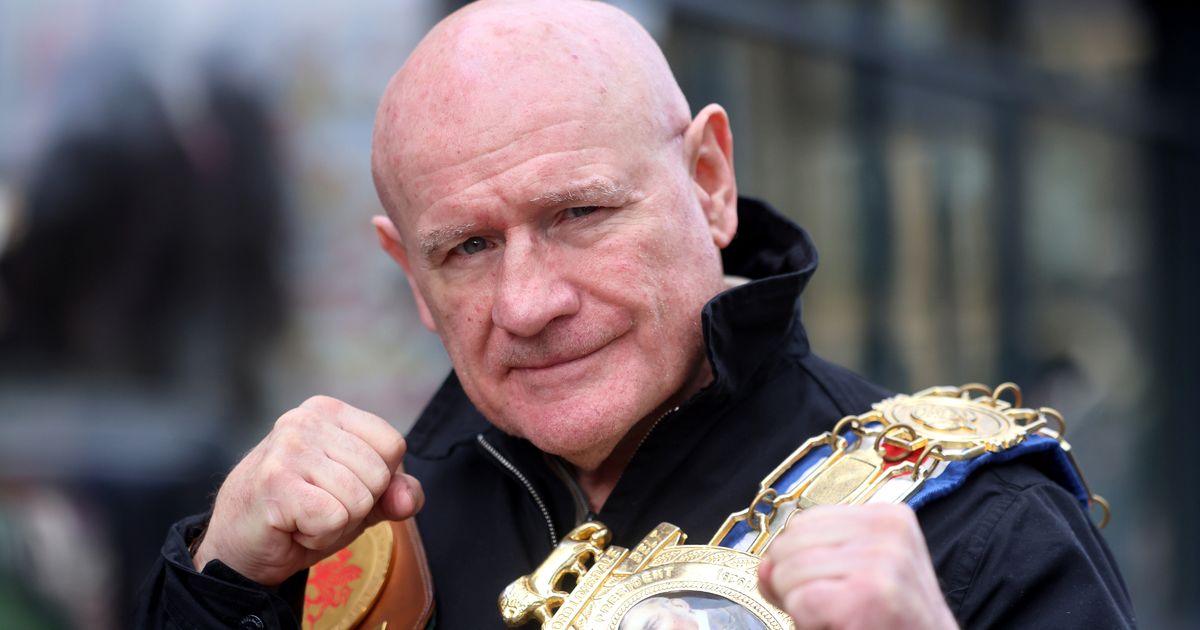
Steve Sims has been diagnosed with dementia after he first noticed he was forgetting things when he was just 32
04:39, 01 Mar 2026Updated 07:23, 01 Mar 2026
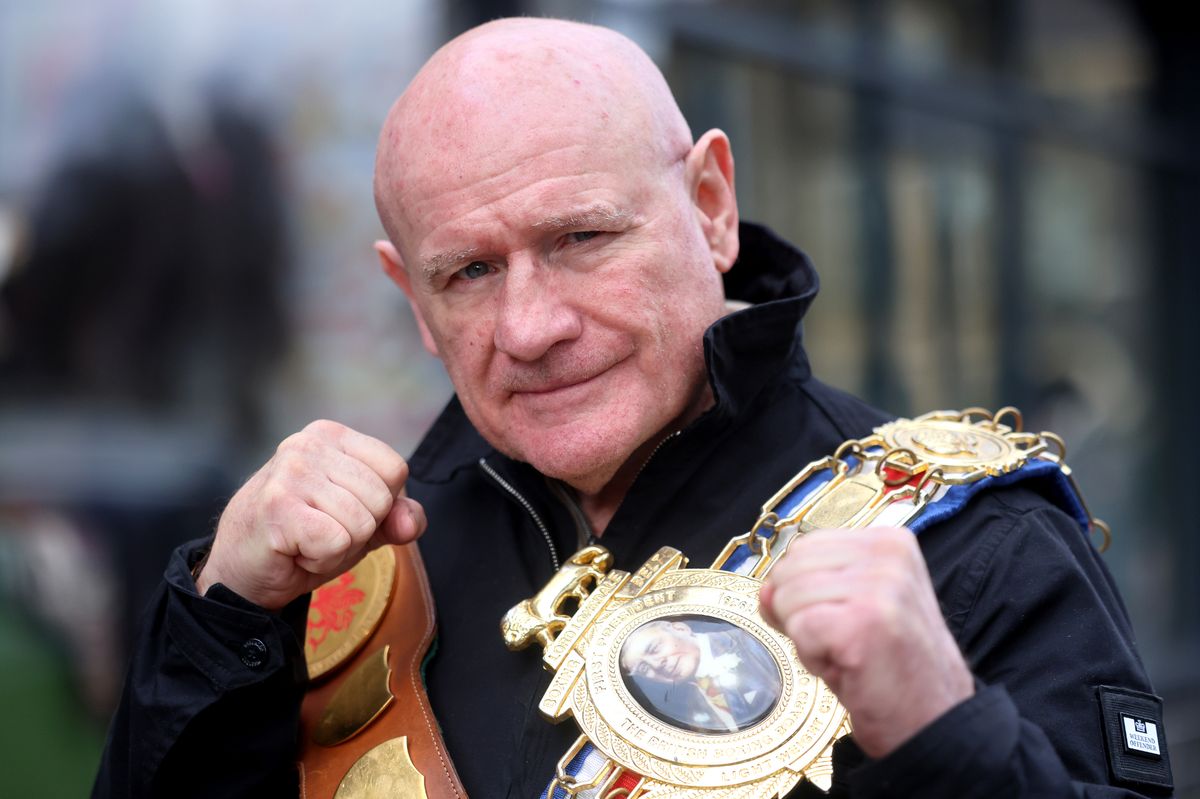
Steve Sims, 67, is a former British featherweight champion(Image: John Myers)
It’s a story that will continue to plague professional sport – will more action be taken on brain injuries. In numerous cases, repetitive head impacts in sport have contributed to serious brain injuries which can later manifest as Alzheimer’s, Parkinson’s and motor neurone disease.
Steve Sims, from Newport, is no different. The ex British Featherweight Champion was once at the top of his career, he fought in the Royal Albert Hall and was handed his city’s sportsman of the year award.
But the punches he took to the head have had a lasting impact on his life. Today, he often forgets where the car is parked, his keys and even people’s names. But as Steve speaks to WalesOnline at Milkwood in Pontcanna his eyes light up as he recalls his earlier fights, keen to show me old videos from his illustrous boxing career.
The former star boxer, now 67, has been diagnosed with dementia pugilistica, caused by chronic traumatic encephalopathy (CTE). People who have regularly played contact sports are more prone to CTE, with the condition thought to be linked to repeated head injuries.
The severity of the situation is not however just confined to boxers. In January, an inquest into the death of former Manchester United defender Gordon McQueen concluded that “it is likely that repetitive head impacts sustained by heading the ball while playing football contributed to the CTE”, which was a factor in his death.
The late Ricky Hatton also criticised boxing’s few long-term support systems for boxers, and highlighted the prevalence of mental health problems in boxing, which are often heightened by reptitive head trauma.
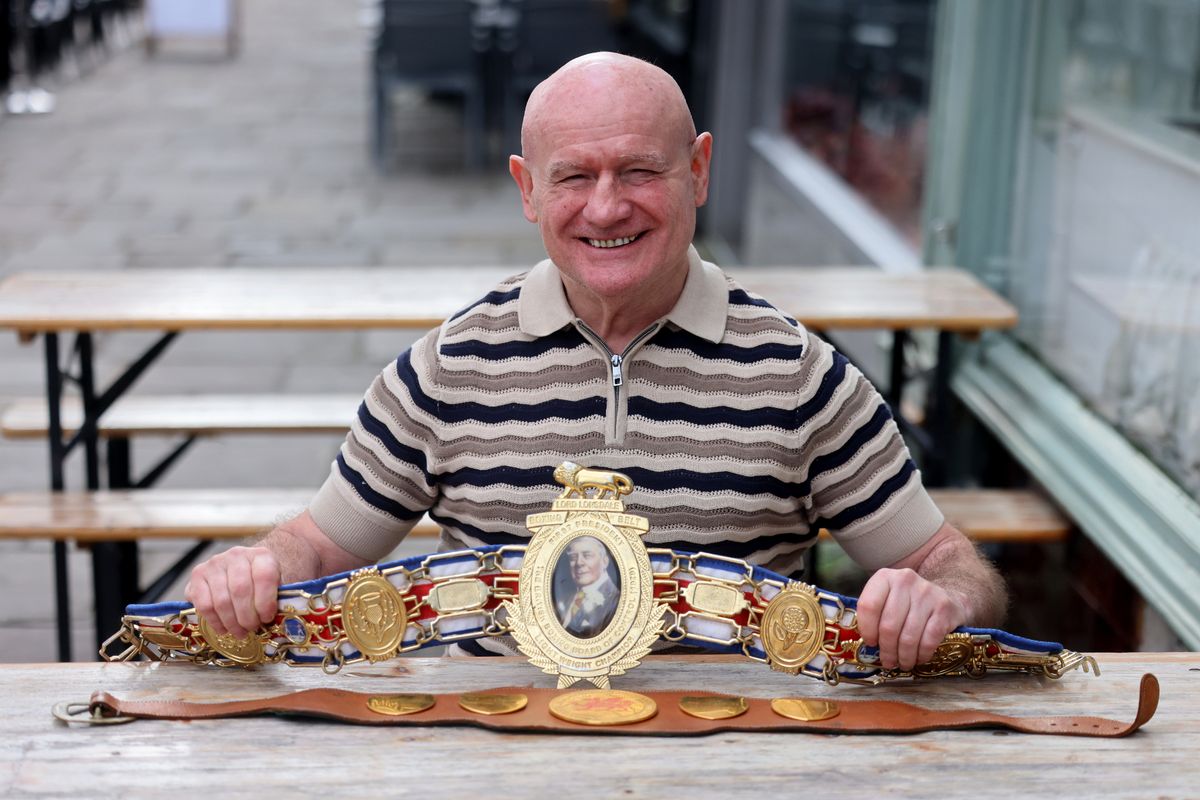
Steve proudly shows off his British and inaugural Welsh featherweight belts(Image: John Myers)
As a youngster Ringland-born Steve idolised Bruce Lee. When his film, Enter the Dragon, was shown in the ABC Cinema in Newport Steve, just 15 at the time, donned a fake moustache to be able to see the +18 film.
It was Bruce that inspired his boxing career, but having fought amateurly for several years the thing that made Steve become professional was the fact he wanted to propose to his then girlfriend.
Steve was keen to buy a ring for his first wife Gaynor and and he accepted the offer to turn professional in order to buy her a ring.
His career saw him compete in 30 fights, winning 18 and drawing once. In 1982 the Newport man defeated Jimmy Flint in his backyard of the Royal Albert Hall. “I have looked down, I could hear my friends screaming Sammy Sammy and I started crying before I got into the ring and that’s what made me win,” he said.
Steve then travelled to Scotland where he stopped local hero Terry McKeown at the home of Scottish boxing in Glasgow to take the British Featherweight crown.
He recalls: “I punched Terry out of the ring and won. It was an unbelievable feeling. I had had children, and didn’t think anything could match that, but winning the title did.”
Steve secured his name as Newport’s second British champion, following in the steps of Johnny Basham 68 years prior. He retired five years later in 1987, having never fought to defend his British title.
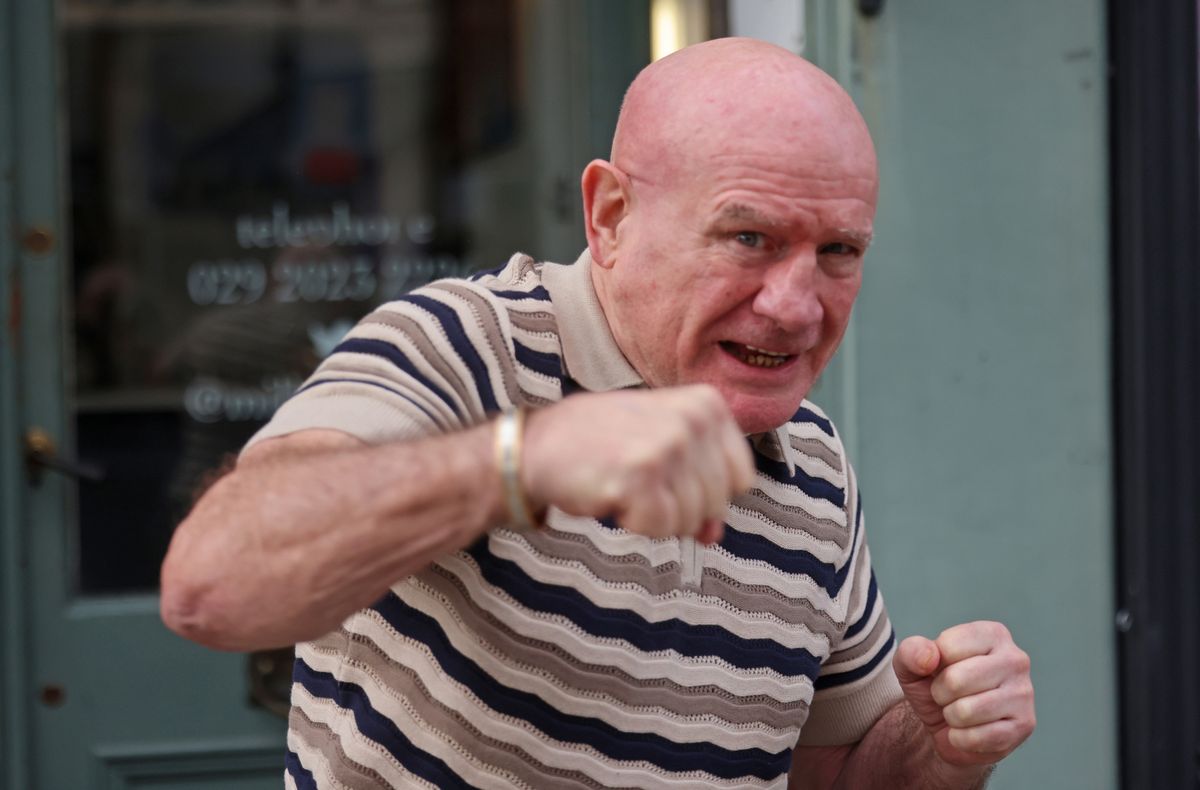
Steve now struggles with everyday tasks due to the impact of his boxing career(Image: John Myers)
Not long after Steve retired he first started to notice his memory was going. Everyday tasks he had never struggled with before became much more challenging – he was 32.
When Steve retired from boxing he ran a pub, the first in Newport to show Sky TV, and a successful newsagents. However, his friend recalls how as Steve’s situation deteriorated “it all just came crumbling down” and he didn’t have the support mechanisms to help him.
Steve fondly remembers the times hundred of fans would travel to watch him fight but now there are moments when he’ll walk round Newport city centre and he won’t be able to remember anyone’s name. This is a topic that makes him visually upset.
“Sometimes I start crying because I lose my keys, my wallet, my phone. I panic as I struggle to remember where I have put them, I forget names of people I have known for years, which I find embarrassing.
“To be in this fog everyday is a living hell.”
Despite the everyday battle Steve has with what he describes as “a fog” in his brain, he continues to train three times a day. The lifelong Cardiff City fan does weight sessions at Dawksgym, where he has a free lifetime membership in recognition of his career, and he also enjoys going for runs.
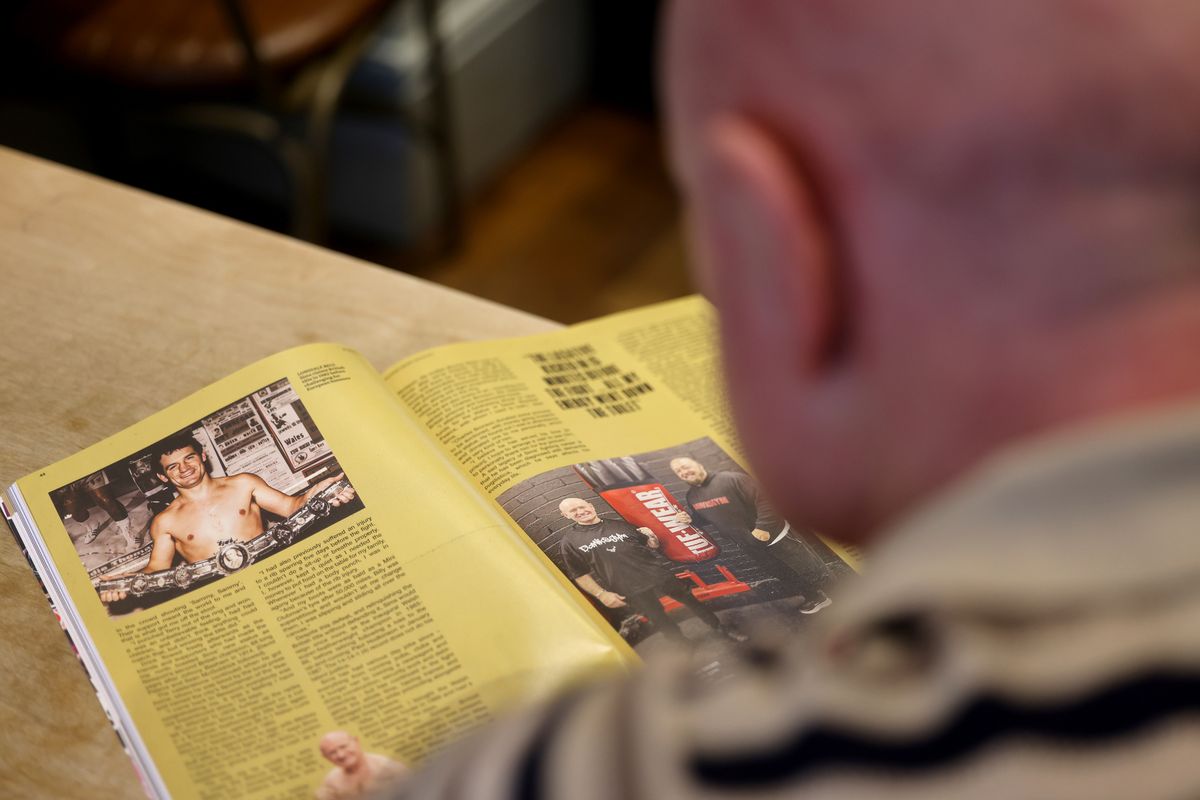
Steve recently featured in the Boxing News magazine(Image: John Myers)
The father-of-four is a well-presented man keen to engage with everyone around him. He’s a popular, social character, whose life has been taken anything but ordinary.
His long-time friend and solicitor Andrew Collingbourne, consultant at Robertsons Solicitors, remembers Steve before the dementia took over. He recalls him being a charismatic man who was “as bright as a button”.
Andrew believes more should be done to support boxers when they retire as although there is a lot of money in the sport, a lot of the time this is reserved for promoters rather than the ones taking the punches.
But despite how the sport has affected Steve, Andrew still believes in the importance of boxing to teach young people discipline and self-awareness. He does however think that the British Boxing Board of Control must address issues relating to dementia and other problems when boxers leave the ring.
Although much has improved on the medical side of boxing, thanks to cases like the Michael Watson one, Steve and Andrew believe the aftercare is still absent. While charities exist to support former professional athletes in rugby and football, boxing remains a far cry away.
Andrew recommended young boxers get professional legal advice before turning professional because they need to be aware of the potential pitfalls of the sport so they are able to make informed decisons about continuing.