
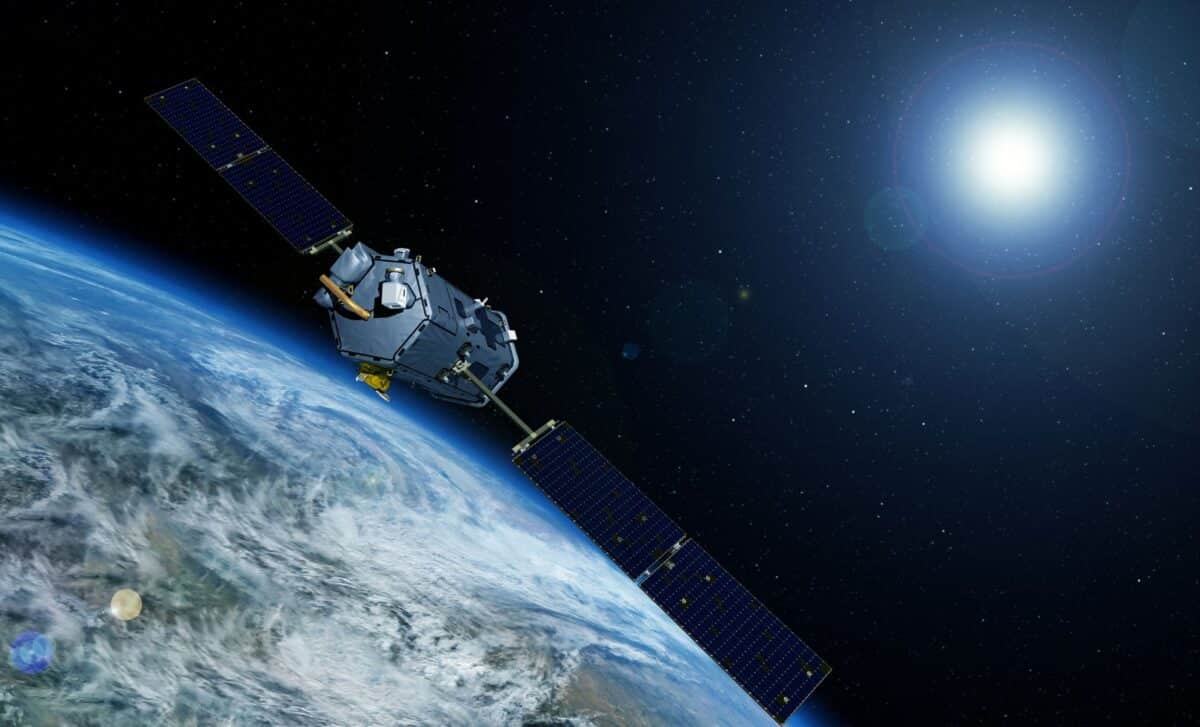
As the number of satellites in space continues to rise, Europe is working on developing orbital repair robots that could extend the life of these valuable assets. These robots, designed to perform maintenance, refuel, and repair satellites in orbit.
With nearly 15,000 operational satellites in orbit, the need for satellite maintenance is becoming increasingly critical. Yet, most satellites were never designed to be serviced in space. Once they malfunction, they are typically left to drift in what is known as a “graveyard orbit” or risk becoming uncontrollable debris. In response, European engineers are developing robots capable of performing repairs and extending satellite lifespans.
“Space Tow Trucks”: A Revolutionary Concept for Satellite Maintenance
In 2028, Thales Alenia Space plans to launch a demonstration mission that will feature a robotic satellite capable of refueling and performing repairs on other satellites in orbit. This robot will be equipped with a mechanical arm and will be able to perform a variety of tasks, including moving between satellites, inspecting them, and providing maintenance services.
Stéphanie Behar-Lafenêtre, project manager at Thales Alenia Space, likened this technology to “space tow trucks,” explaining that the robot’s job will be to capture a satellite, repair it, and even move it to a different orbit if necessary.
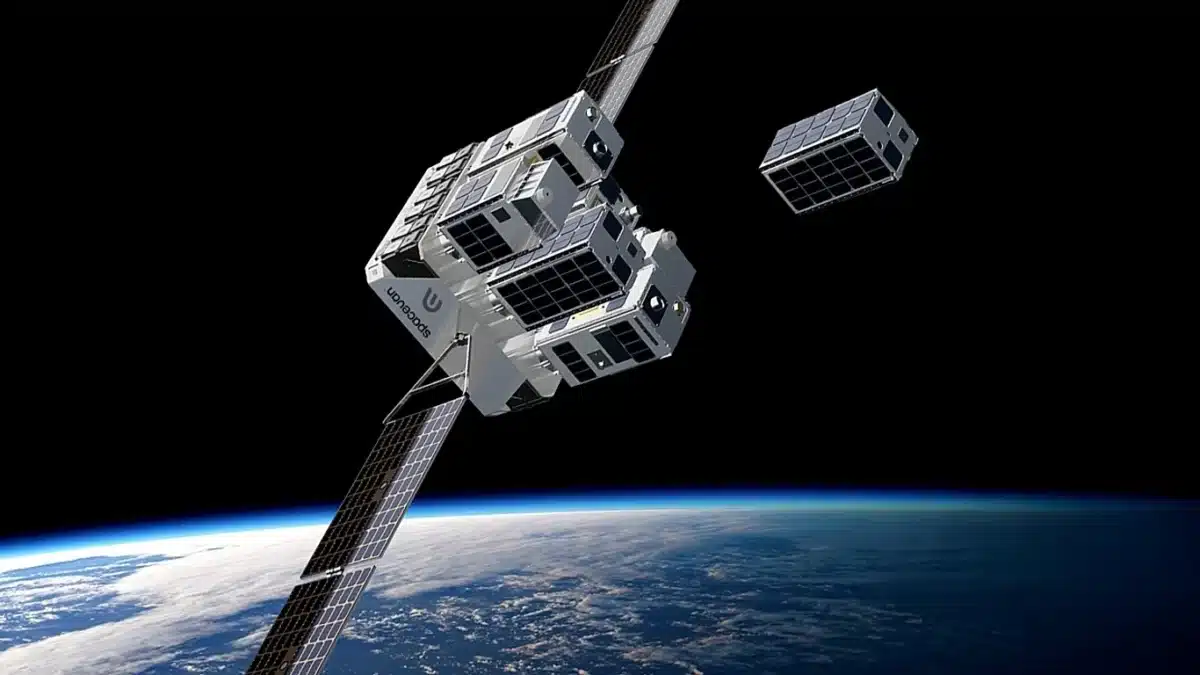 Small satellites orbiting Earth. Credit: Exotrail
Expanding Markets, Navigating the Tech Maze
In the words of Euronews, the demand for in-orbit maintenance is expected to rise, especially for satellites in geostationary orbit. Telecommunications companies, which rely on aging satellites, could find these repair services more economical than launching replacements. However, the market for such services is still difficult to assess.
“It’s difficult to estimate the market because it’s like the chicken and egg issue,” said Behar-Lafenêtre. “You always have to demonstrate that you’re able to do it so that someone is interested in purchasing the service.”
Technically, the challenges are daunting. Most satellites were not built with the idea of being captured or serviced in mind. To overcome this, engineers are looking at ways to capture satellites using robust metal rings, which are commonly found on about 75% of space vehicles. If successful, the technology could revolutionize satellite operations, particularly in the military and telecommunications sectors.
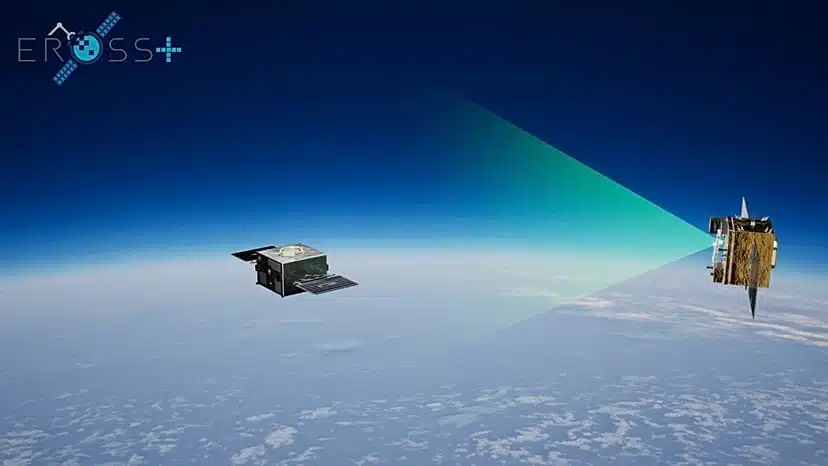 EROSS mission A satellite approaches another for servicing in orbit. Credit: Thales Alenia Space
Regulatory Rollercoaster and Global Teamwork
The technical challenges are big, but legal and regulatory issues also pose a hurdle for getting orbital repair robots out there. For example, if a satellite from one country is fixed by a company from another, who takes responsibility if something goes wrong?
Jean-Luc Maria, co-founder of ExoTrail, says these are the kinds of questions that need to be sorted out through international laws, like the EU Space Law, and agreements between countries. These rules will help define who’s in charge if something goes wrong during repairs.
“When you reach a critical mass of this infrastructure, you start to have new needs that are in favour of the management of this infrastructure,” he explained, as quoted by Euronews.
Even with these challenges, companies like Thales Alenia Space and ExoTrail are pushing ahead with their tech, and soon, these robots could be a regular part of how we manage space infrastructure.