
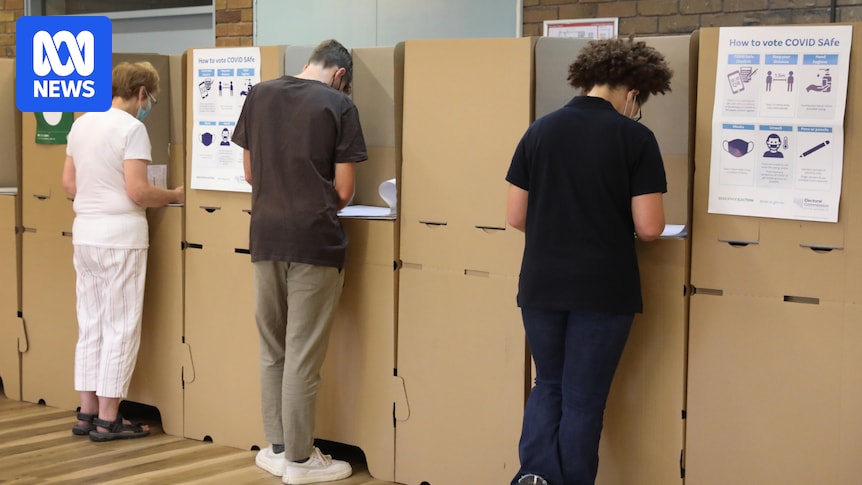
It is now only 10 days until South Australians can begin casting early votes for the 2026 state election.
While much of the focus has been on the contest between Premier Peter Malinauskas and Opposition Leader Ashton Hurn, there are plenty of other things to keep an eye on.
The Electoral Commission of SA (ECSA) on Monday revealed the final list of candidates for the election.
Here are four takeaways from the ballot draw.
Record numbers
This year’s election will feature a record 436 candidates, up from 291 at the last election.
Your Say: Tell us what matters to you this SA election
Of those, 388 candidates are running for the House of Assembly, where there are 47 seats up for grabs.
A further 48 candidates are running for the Legislative Council, where 11 seats are being contested.
The gender balance of candidates is 268 men, 164 women and four as other, according to ECSA.
Bigger ballot papers
The surge in nominations means many voters will be filing out much longer ballot papers when they walk into a voting booth this year.
Voters in two seats — the Murray Bridge electorate of Hammond and the metropolitan seat of Port Adelaide — will have a record 12 candidates on their lower house ballot paper.
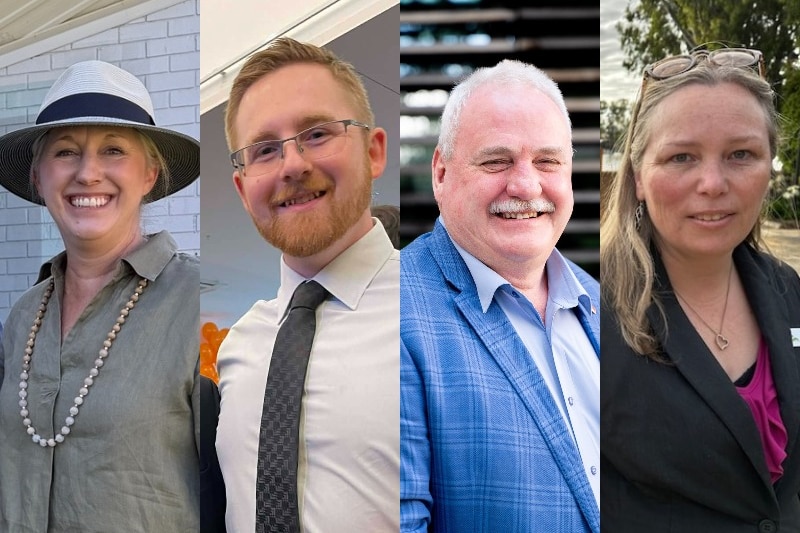
Some of the candidates for Hammond include independent Airlie Keen, One Nation’s Robert Roylance, the Liberal Party’s Adrian Pederick and Labor’s Simone Bailey. (Facebook/ABC Radio Adelaide: Kathryn Jensen)
Mount Gambier voters, who currently do not have a representative, will have 11 to choose from, as will voters in the Adelaide Hills seat of Kavel and the regional seat of Flinders.
An SA lower house seat has never been contested by more than nine candidates before.
This year, the average number of candidates per lower house seat is more than eight.
On the flip side, voters in the eastern suburbs seat of Bragg will have the least amount of choice this election, with only five candidates contesting.
Longer vote counts
The consequence of bigger ballot papers is that it could take longer to determine the result of some seats.
ABC chief elections and data analyst Casey Briggs said in some seats it could mean “we’re not getting a result on election night”.

Casey Briggs says right wing minor parties are driving the rise in candidate numbers.
“It takes longer to look at a ballot of 10 names and sort through the preference ordering and make sure it’s a formal ballot than it does when you’ve only got five numbers to look at,” he told ABC Radio Adelaide.
This could be particularly significant in seats like Flinders, where Liberal frontbencher Sam Telfer is fighting to hold onto his seat from a crowded field of candidates, and Kavel, where a three-cornered contest has emerged between Labor, the Liberals and an independent.
“More candidates means more likelihood that the preferences will become more important and a little bit less predictable on election night,” Mr Briggs said.
On the other hand, the electoral commission will this year be able to count pre-poll and postal votes on election night.
Previously, those votes had to be set aside until the Monday after the Saturday election.
Family matters
Casey Briggs said the “single biggest driver” of the surge in candidate numbers were right wing minor parties.
For example, One Nation is running in every lower house seat, as is former senator Bob Day’s Australian Family Party.
Mr Day’s party is not to be confused with the similarly named Family First party, which is running 35 candidates.
South Australia’s ballot draw ahead of the 2026 state election. (ABC News)
Former One Nation MLC Sarah Game is also running 22 candidates under her new “Fair Go for Australians” banner; among those is her mother, Jennifer Game, in the southern suburbs seat of Black.
But Fair Go’s family ticket is no match for the Australian Family Party.
Six members of the Day family — Bob, John, Bill, Joanna, Eleanor and Tom — will be running for seats this election.
“I should have found another Day so we could’ve had a week,” Bob Day told the ABC.
The party is also running five members — Craig, Jethro, John, Jonathan and Peter — from the Attard family egg business.
“We’re a family party, so we really do believe in groups running, so we all support each other,” Mr Day said.
“We practice what we preach.”
Loading…