
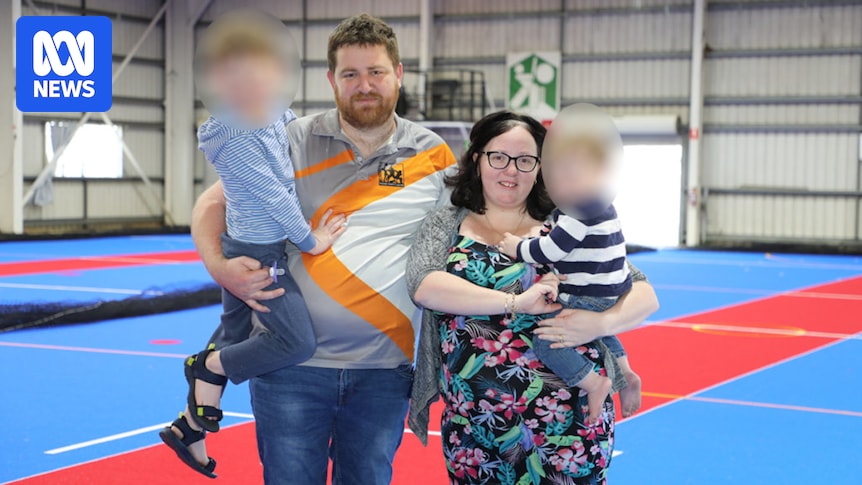
A Queensland indoor sporting company owes creditors $2.6 million on top of a $61 million debt with the tax office following its collapse.
Queensland Indoor Arenas, owned by Colin and Ashlee Kinnest, ran indoor sports centres in Bundaberg, Brisbane and Logan until its companies went into liquidation late last year.
The Australian Tax Office (ATO) is pursuing $61 million in debt and penalties owed by companies Bundaberg Indoor Sports and Kinnest Family PTY LTD, and their director Colin Kinnest.
The ATO alleges the companies lodged false business activity statements and claimed more than $39 million in refunds.
Liquidators sell businesses
Mr Kinnest and his wife Ashlee Kinnest’s ownership of $10 million worth of properties was frozen by the Federal Court in September.
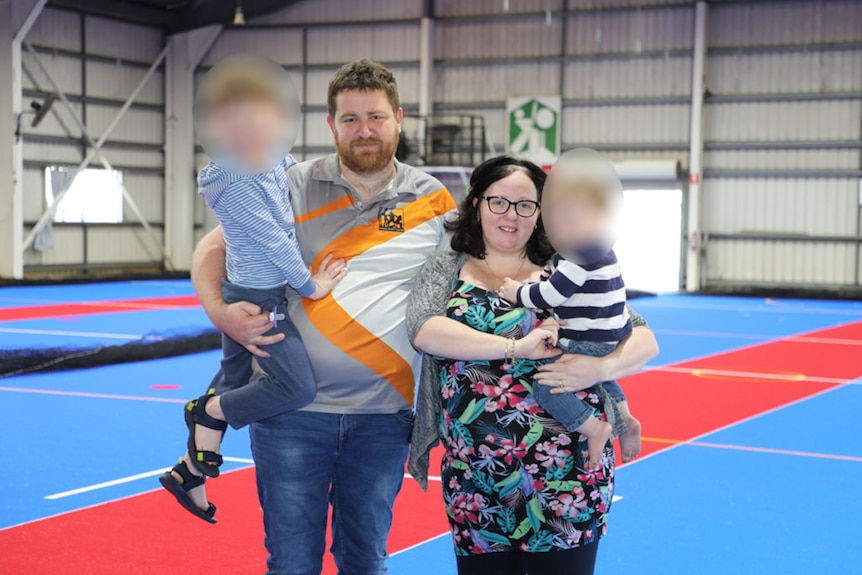
Colin and Ashlee Kinnest bought a swathe of properties across Queensland while expanding their indoor sports centre business. (Supplied)
Cameron John Woodcroft and Bradley Vincent Hellen, of Pilot Partners, were appointed by Mr Kinnest as liquidators of the companies in November.
The ABC understands two businesses, an indoor sports centre at Strathpine and a beach volleyball venue in Bundaberg, have sold to new owners.
Mr Woodcroft said the liquidation process was ongoing.
“We are continuing to conduct our investigations into the affairs of the company and the circumstances leading up to the liquidation,” said Mr Woodcroft.
Documents lodged to ASIC show the Kinnest Family Pty Ltd owed more than $430,000 to employees in wages and superannuation.
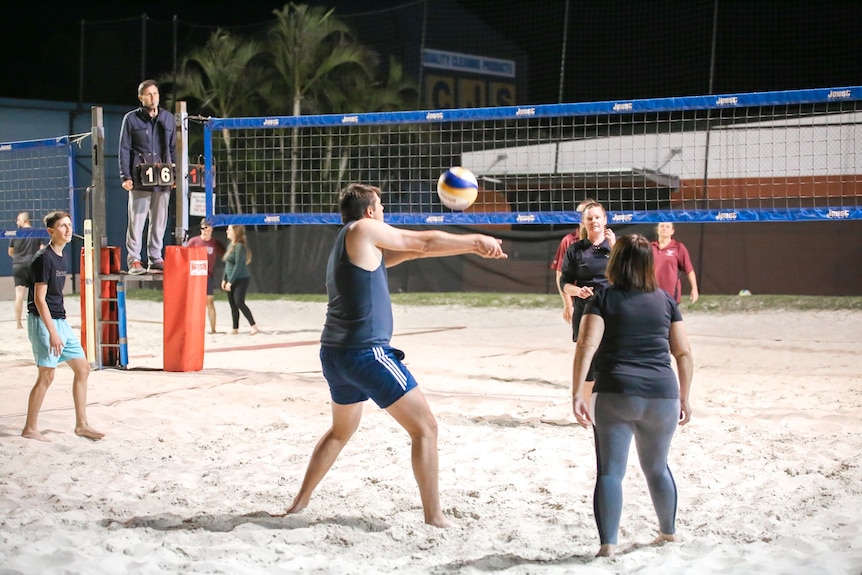
Colin and Ashlee Kinnest have a sports centre at Springwood in Logan, south of Brisbane. (Supplied)
The reports also detail a list of at least 140 secured and unsecured creditors, which included $39,000 owed to the Indoor Netball Federation of Queensland.
The document also shows $10,517 is owed in rates to Bundaberg Regional Council, $1,015,318 to Money Renters Pty Ltd and $13,998 to WorkCover Queensland.
Mr Woodcroft said his investigation into the company’s finances was continuing and he urged other creditors to come forward.
“Our responsibilities as liquidators include identifying and recovering assets, assessing creditor claims, and reviewing any transactions that may be recoverable for the benefit of creditors,” he said.
Impact to community sports
Indoor Cricket Federation of Queensland President Stephen Mogg said the business collapse had impacted the sporting organisations that used the facilities.
“To lose four indoor sports centres in Queensland has really, really impacted our industry quite negatively,” he said.
He said there were potentially thousands of players across indoor cricket, indoor netball, futsal, and junior sports who had also lost their community.
Mr Mogg said players remained hopeful other venues would sell and reopen at some stage.
“They are community-based places … where people not only go to be active, fit and healthy, but to socialise as well,” he said.
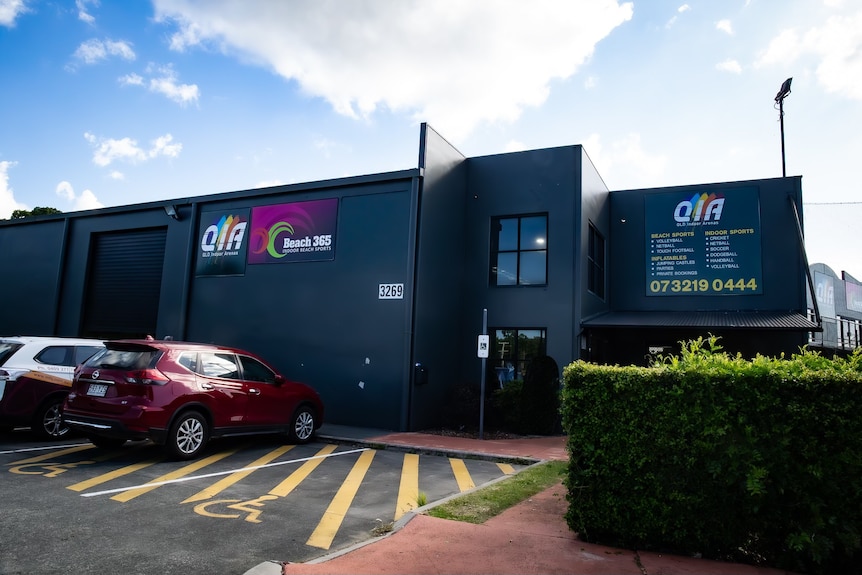
QIA Springwood was closed by liquidators in December. (Supplied)
In Bundaberg, Queensland Masters’ representative cricket player Jason Reepsdorff said it had left a social impact.
“There’s no longer that weekly catch-up in person with mates and just meeting new people there at the centre,” he said.
“And then the other aspect of that is with the representative side of things, I’m only getting to play and train when I travel to Brisbane.”