
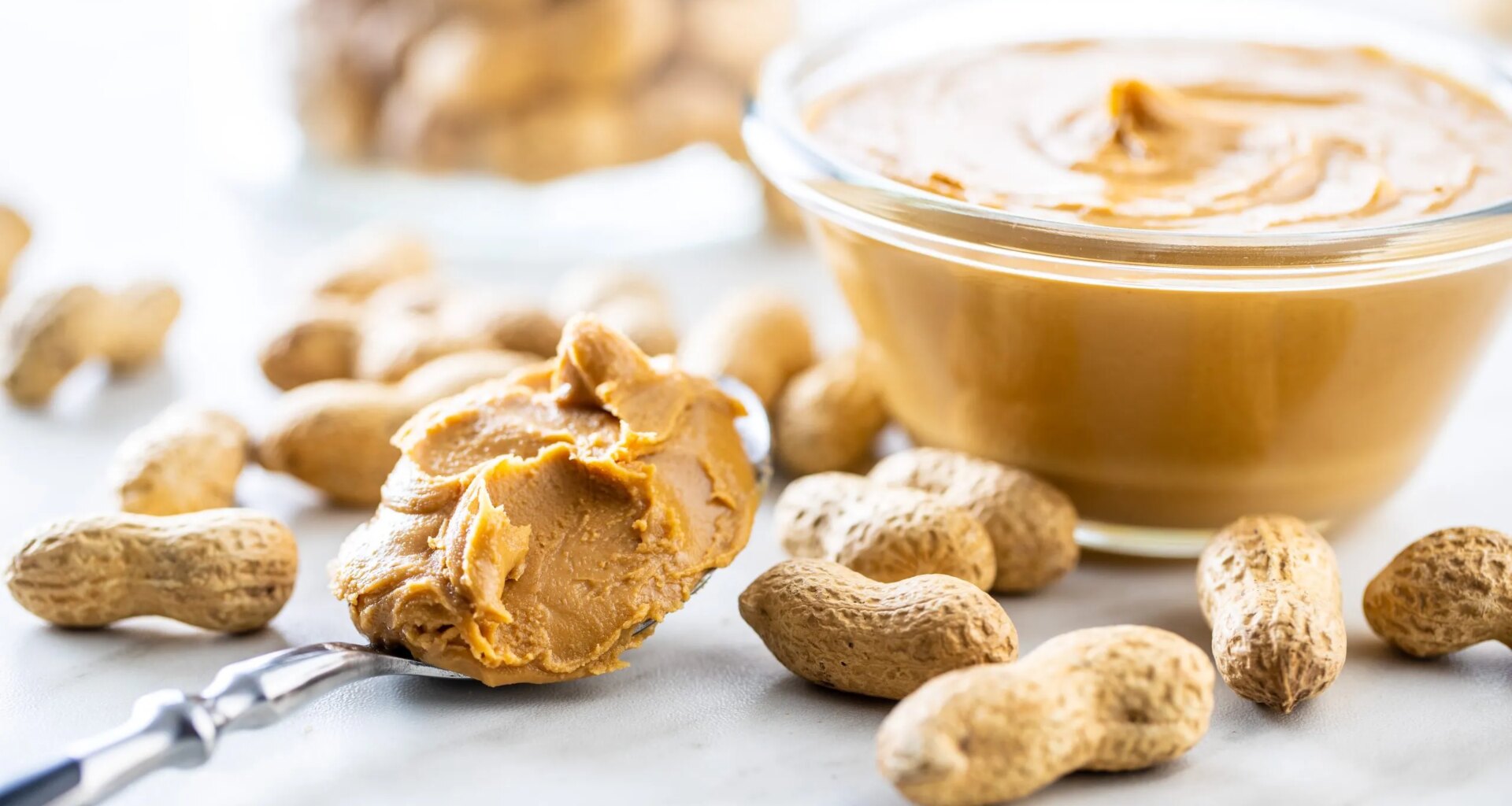

Researchers at Deakin University have found that eating peanut butter every day can significantly improve muscle power in older adults, offering a simple and affordable strategy to reduce the risk of falls.
The world-first clinical trial, led by the university’s Institute for Physical Activity and Nutrition (IPAN), showed that older Australians who consumed a heaped tablespoon of natural peanut butter daily for six months gained muscle power and muscle protein without putting on weight.
The findings from the Older Individuals after Nut Supplementation (COINS) study have been published in the Journal of Cachexia, Sarcopenia and Muscle.
Research lead Associate Professor Sze-Yen Tan said the results highlight peanut butter as a practical nutritional addition for older adults at risk of falls due to muscle weakness.
“Exercise and resistance training are often used to help older adults maintain their muscle power,” Associate Professor Tan said.
“Our study shows that eating commercially available natural peanut butter, with minimal added sugar, as a snack or part of a meal, can be used in combination with this type of training to further enhance muscle power and improve nutrition for older people.”
The six-month study involved 120 community-dwelling adults aged 66 to 89 years who were living independently but considered at risk of falls. Participants were randomly allocated into two groups, with half consuming 43 grams of natural peanut butter each day while the others maintained their usual diet and lifestyle.
At the end of the trial, those in the peanut butter group were able to complete a five-time sit-to-stand test faster than participants who did not consume the spread — an indicator of improved muscle power.
“Being able to complete the test faster means greater muscle power,” Associate Professor Tan added.
“Muscle power allows older people to do everyday things such as climb stairs and stand up from a chair. It also lowers the risk of falls, which is a common reason for loss of independence, reduced quality of life, and even premature death.”
Importantly, the increased intake of protein and unsaturated fat did not lead to weight gain among participants.
The Peanut Institute in the United States funded the study. Associate Professor Tan said that while oral nutritional supplements are often recommended to improve dietary intake in older adults, they can be costly and have an unfamiliar taste.
“We often think of nutrition supplements when we want to improve dietary intake, but these can be expensive, and the taste can be unfamiliar and unpalatable to older people,” she said.
“This study shows that peanut butter can be an accessible, affordable and palatable alternative to commercial oral nutrition supplements.”
Peanut butter is naturally rich in protein, healthy fats and antioxidants, which help reduce inflammation and muscle breakdown. Its smooth texture may also make it more suitable for people with dental issues who find whole nuts difficult to eat.
Researchers are now planning further studies to examine whether eating nuts alongside resistance training could lead to broader improvements in physical function among older adults.