
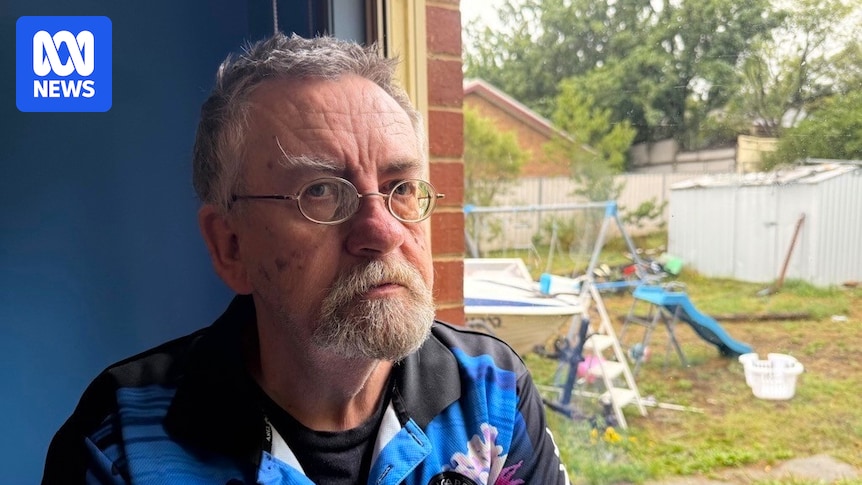
The Federal Court has made an “extremely significant” ruling by ordering the agency that runs the National Disability Insurance Scheme (NDIS) to fund a participant’s mobility scooter.
Experts say the decision could expand the number and types of supports available to people with multiple disabilities.
Lee Eastham, who is hearing and vision-impaired, lives with several medical conditions that severely limit his mobility.
In 2022, he requested the National Disability Insurance Agency (NDIA) fund a $7,300 scooter so he could travel independently into town to do his shopping, go to health appointments and volunteer with the SES.
Mr Eastham, who lives in regional Victoria, said he could not drive or safely walk into town because of his conditions, and due to a lack of services on weekends and public holidays, could not rely on buses either.
The NDIA said his need for a scooter resulted from his physical conditions, not the hearing and vision impairments for which he was originally granted access to the NDIS.
It said his inability to drive did not result from his low vision, but rather from Victorian road traffic legislation barring people with low vision from holding a driver’s licence.
Do you have a story to share? Email Specialist.Team@abc.net.au
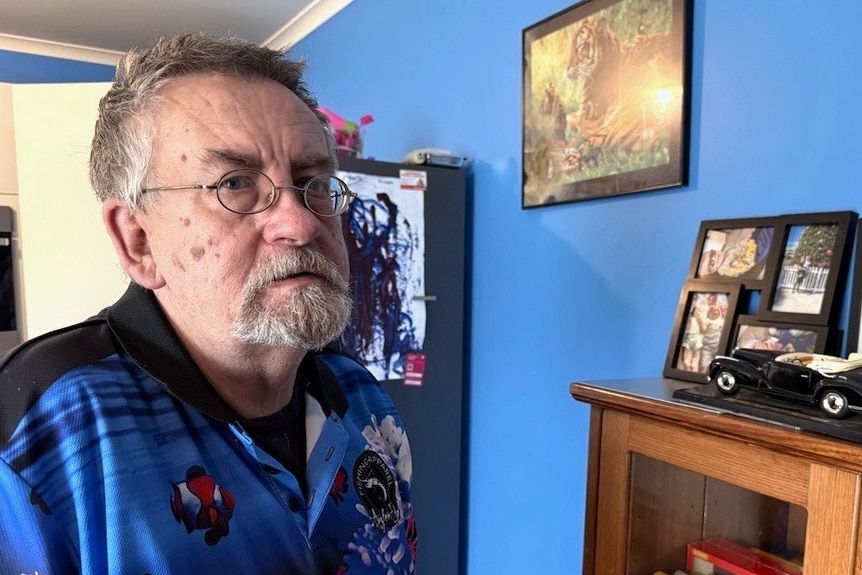
Lee Eastham says the court’s ruling made him proud. (ABC News: Josie Taylor)
Mr Eastham appealed the decision to the Administrative Review Tribunal (ART), which reviews government decisions.
He said his need for a mobility scooter was directly linked to the combined effects of all his disabilities.
The ART ruled in Mr Eastham’s favour, but the NDIA appealed that decision to the Federal Court, which late last month also ruled in the 60-year-old’s favour.
“I feel like I’ve actually achieved something that’s going to not only benefit me, but everyone else that’s going through the same process,” Mr Eastham said.
As well as the scooter, the NDIA has now been directed to pay Mr Eastham’s costs for both the ART and Federal Court proceedings.
It comes as the federal government scrambles to reduce the cost of the NDIS, which has been projected to exceed $50 billion this financial year and $60 billion by 2028–29.
“They’ve just drawn it out so far and spent so much money on [what could have just been a $7,000] scooter,” Mr Eastham said.
“I could have bought the [scooter] company for what they’ve spent.
“They’ve actually wasted money that some poor kid out there probably really needed.”NDIS at a glanceThe NDIS is undergoing a generational redesign that the government hopes will claw back billions of dollars over the next decade.The scheme supports more than 760,000 participants — much less than the 5.5 million Australians estimated to be living with disability.Annual growth of the NDIS is 10.3 per cent, down from a high of more than 20 per cent under the Morrison government.The Albanese government wants to see it come down further to 5 or 6 per cent.NDIA must use ‘common sense’
Central to Mr Eastham’s case was a section of the NDIS Act requiring a participant’s NDIS supports to be related only to the impairments that gave them access to the scheme.
The Justice and Equity Centre, which represented Mr Eastman, said the Federal Court had clarified the NDIA must view participants according to the interplay of their multiple conditions — not just those that gave them entry into the scheme — as well as other environmental factors, such as transport available where they live.
“The really important thing that this case has said is that a person’s whole life is important,” senior solicitor Mitchell Skipsey said.
“Somebody isn’t just a bundle of disabilities or diagnoses, but instead a whole person and that whole person is what the NDIS needs to be taking into account when it looks at what their needs are.”
In handing down her decision, Justice Lisa Hespe warned the NDIA against being too “prescriptive” when making decisions on participants’ supports and those decisions needed to involve “logic” and “common sense”.
Families frayed by NDIS cuts brace for more change ahead of defining 2026
Justice Hespe also rejected the agency’s argument that the mobility scooter he sought funding for was not a “motorised mobility device” but rather a “personal mobility device”.
Mr Skipsey said the NDIA would need to alter the way it made decisions on participants’ plans.
“Every time the NDIA makes a decision about a new plan … they will need to do it with this court decision in mind and the approach to interpreting the NDIS Act that this court has said is the correct way to do it,” he said.
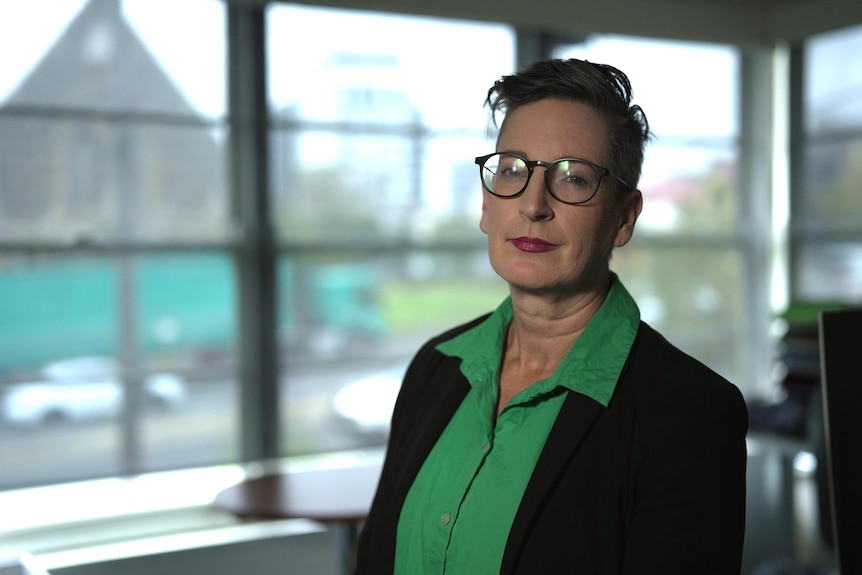
Naomi Anderson says the court’s ruling is “extremely significant”. (ABC News: Patrick Stone)
Naomi Anderson — principal solicitor at the Villamanta Disability Rights Legal Service, which supports participants with their appeals — said the judgement was “extremely significant”.
“This has been an issue participants have argued strongly — ‘It’s my body. I can’t just ignore this other impairment or this other disability,'” she said.
“The [NDIA] had very firmly taken the view that they can compartmentalise people and they can look at just one factor and consider whether that is the cause of the need for the support.
“Human beings just don’t work that way.”‘It was about the precedent’
Families have been increasingly reporting cuts to NDIS plans in the past 24 months, with the NDIS caseload at the ART in 2024–25 increased by 95 per cent compared to the year prior.
About three quarters of those cases resulted in the NDIA’s decision being reversed.
The NDIA has also spent increasing levels of money at the ART.
Documents released under freedom of information laws showed the agency handed $60 million to external lawyers to fight participants at the tribunal last financial year.
Ms Anderson said demand for Villamanta’s services were “higher than ever” and the NDIA had been “more combative than ever”.
“It’s been exhausting and the stress on participants is extreme,” she said.
The NDIA did not say how much money it spent fighting Mr Eastham, but Mr Skipsey said the cases could cost tens of thousands of dollars — much more than the scooter Mr Eastham wanted.
“They’ve spent a lot of money … on retaining lawyers and barristers to fight Lee at the ART and more lawyers, more barristers to fight him all the way at the Federal Court,” Mr Skipsey said.
Ms Anderson said while the NDIA’s conduct in the case seemed “like a complete waste of money”, she felt the fight “wasn’t about” Mr Eastham or his mobility scooter.
“It was about the precedent, and clearly, they thought the precedent would go the other way,” she said.
“Had they been successful, they would have saved a lot of money for everybody else.”
In a statement, a NDIA spokesperson said the agency made funding decisions in accordance with the NDIS Act.
“Participants have a right to seek a review of agency decisions and the NDIA respects that right,” they said.
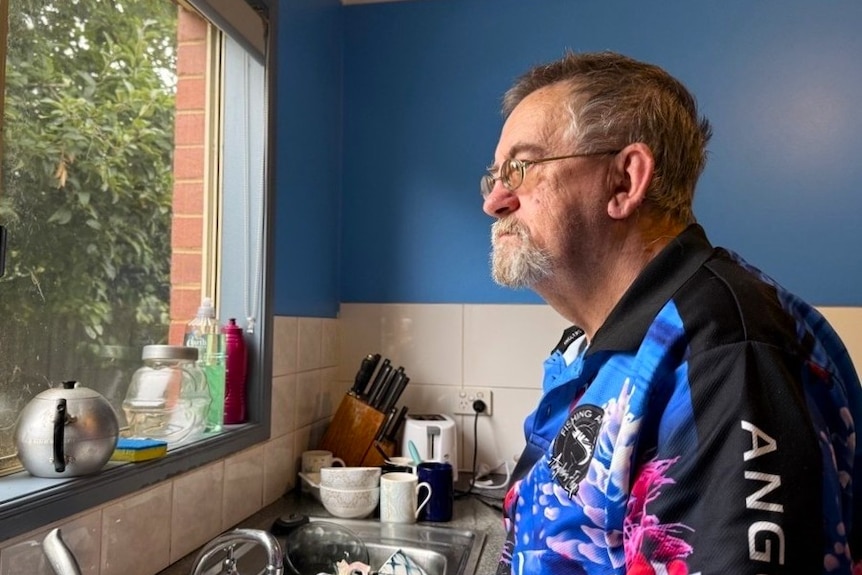
Lee Eastham hopes the mobility scooter will greatly boost his independence. (ABC News: Josie Taylor)
“The agency is committed to acting as a model litigant in line with the Attorney-General’s Legal Services Directions.”
Nearly four years after his request for a mobility scooter was first knocked back, Mr Eastham said he was looking forward to the independence it would help bring.
“It’s really going to open up the world,” he said.