
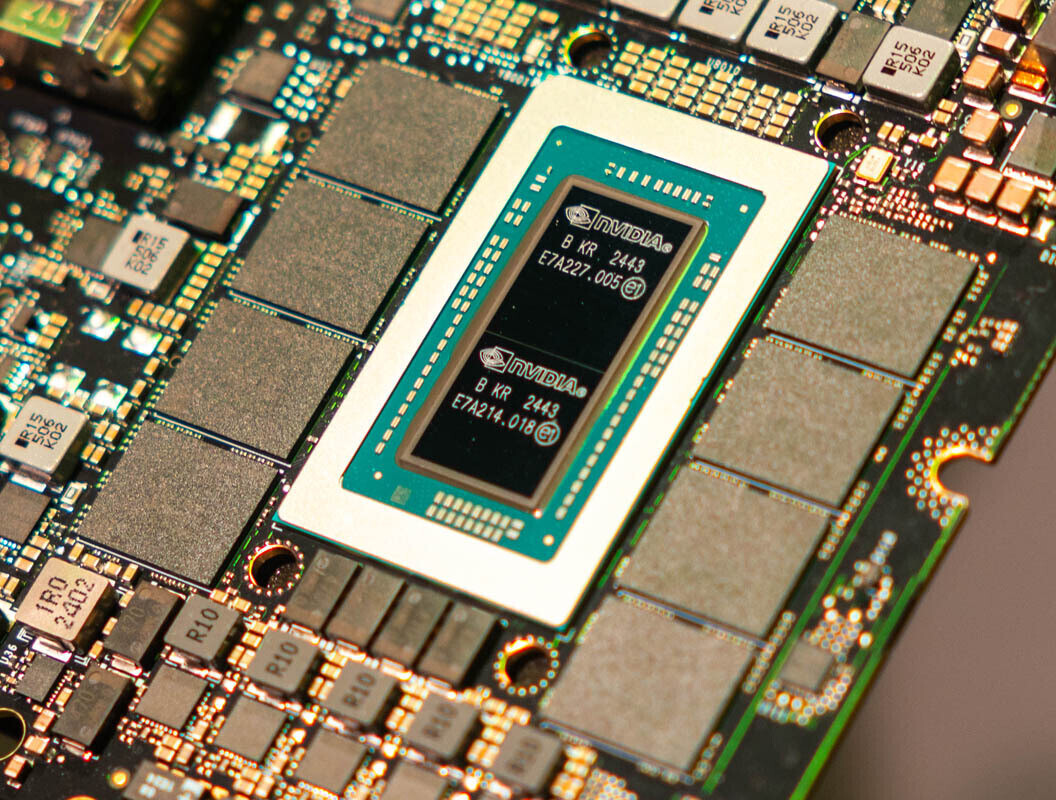
EA posted a job listing seeking an engineer to port its Javelin Anticheat, a kernel-level anticheat solution, to the Windows-on-Arm (WoA) platform. This is a significant indicator of where the industry is headed, confirming that the biggest game developers are officially porting their game engines, games, and anticheat solutions to Arm-based PCs running the Windows 11 operating system. Interestingly, this coincides with NVIDIA’s introduction of its N1/N1X SoCs with Arm-based CPU cores, which are expected to launch in the first half of this year. These will offer consumers 20 CPU cores, consisting of 10 Cortex-X925 and 10 Cortex-A725 CPU cores based on the Armv9.2 ISA, along with a “Blackwell” GPU optimized for low power settings with 6,144 CUDA cores. Adding to the growing ecosystem of WoA solutions, NVIDIA will be competing with Qualcomm’s recent Snapdragon X2 Elite and X2 Plus SoCs.
If readers recall Valve’s efforts to port regular Windows games to Linux, one of the biggest issues was the use of kernel-based anti-cheat solutions that simply couldn’t work on the non-standard Windows 11 platform. A similar situation is now occurring even between Windows versions, as EA needs to develop a specialized solution that will work on non-x86 deployments like the standard Windows-on-Arm. It will likely be a few months before the official deployment is released, but the job listing suggests that some internal work is in progress. This means that the senior engineer EA is looking for could arrive to quickly bring these pieces together and make the new platform work without any issues.

 Finally, NVIDIA’s entry into this segment will push many of its ecosystem partners to adopt WoA-native software and create builds specialized for that platform. As consumers are purchasing Qualcomm Snapdragon-based laptops in significant quantities, it indicates that the market is ready to embrace more Arm-powered Windows 11 laptops. This will also encourage game developers to pursue further optimizations. EA is also exploring the addition of more platforms and compatibility, including Valve’s Proton for Linux gamers, which means that anti-cheat software will now become universally compatible across operating systems and CPU platforms.