
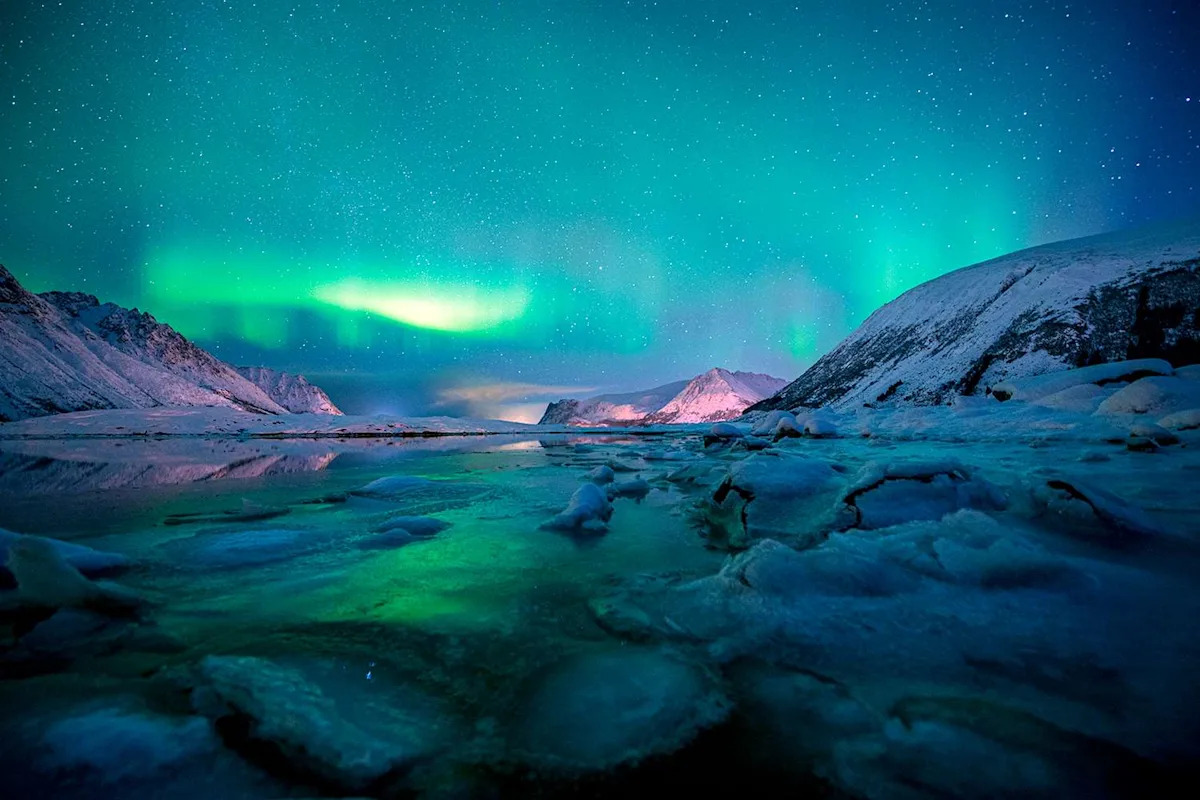
March just got a glow-up!
As the spring equinox approaches, Earth slips into one of the most aurora-friendly positions of the year, giving the northern lights a scientifically backed advantage known as the “equinox effect.”
The northern lights (aurora borealis) are caused by geomagnetic storms, which occur when charged particles from the sun collide with gases in Earth’s atmosphere, creating brilliant waves of light in the sky. Still, their visibility depends on several factors, including intensity and location.
Around March 20, our planet’s magnetic field aligns in a way that makes it easier for charged particles from the sun (the solar wind) to pour into Earth’s atmosphere.
According to Space.com, research shows geomagnetic activity statistically peaking around the March and September equinoxes. This phenomenon has been documented by space weather experts and is explained by the Russell-McPherron effect.
Add the lingering dark skies across northern latitudes before summer’s endless daylight, and you have an aurora takeover!
Here’s everything you need to know about March’s prime-time northern lights show.
When will the northern lights be visible?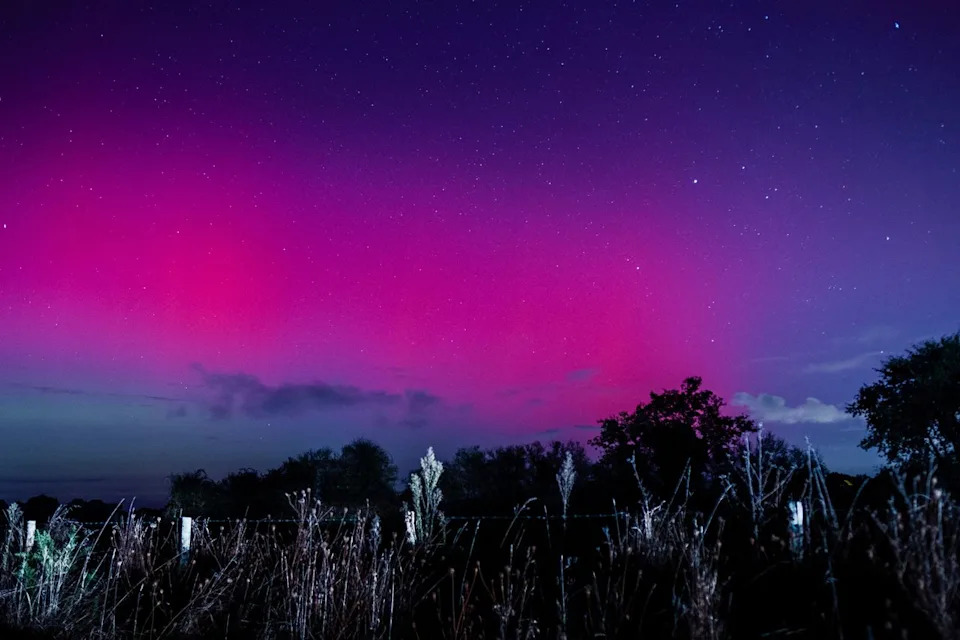
Aurora borealis
Credit: MAYLIS ROLLAND/Hans Lucas/AFP via Getty
Patience is everything when it comes to the aurora borealis!
The northern lights are actually fickle by nature, so everything from the weather to the timing is always important.
However, auroras are best seen on clear, dark nights, typically between 10 p.m. and 2 a.m. local time, when geomagnetic activity peaks.
But around the March equinox, the chances of geomagnetic storms increase, while visibility still depends on real-time solar activity.
Checking daily aurora forecasts and the KP index (a scale measuring geomagnetic disturbances) can help determine your odds on any given night.
Where will the northern lights be visible?
The northern lights are most reliably visible within the auroral oval, which circles high-latitude regions such as Alaska, northern Canada, Iceland, Greenland, Norway, Sweden and Finland.
During strong geomagnetic storms, however, the lights can dip farther south, occasionally becoming visible in parts of the northern United States and central Europe.
The farther north you are (and the darker your skies), the better your chances.
How to watch the northern lights?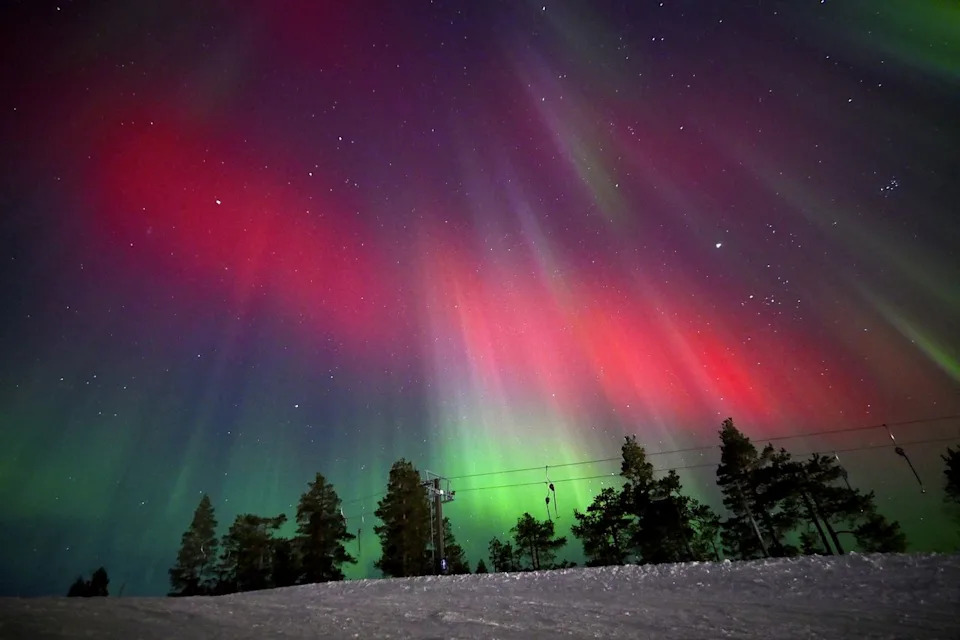
Aurora Borealis over ski slope in Levi
Credit: Alex Nicodim/Anadolu via Getty
As always, you’ll want to be prepared to witness this cosmic spectacle.
Choose a location far away from city lights with a wide, unobstructed view of the northern horizon. Elevated spots with minimal light pollution offer the clearest views.
You’ll also want to wait at least 20 minutes for your eyes to adjust to the dark.
Read the original article on People