
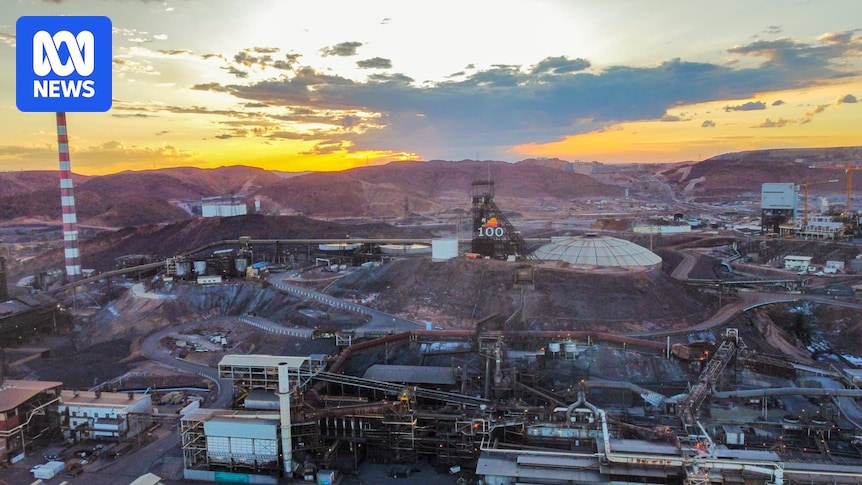
A legacy outback mining company says it has employed nearly 30 “quality” foreign workers at its high-profile Mount Isa operations while under fire from a national union for not prioritising domestic workers.
Glencore Metals Australia told the ABC it was actively recruiting workers from overseas — particularly Zambia and the Philippines — for its north-west Queensland facilities.
The announcement comes as the company’s local workers are in talks with the Swiss multinational for wage increases in its next enterprise bargaining agreement (EBA).
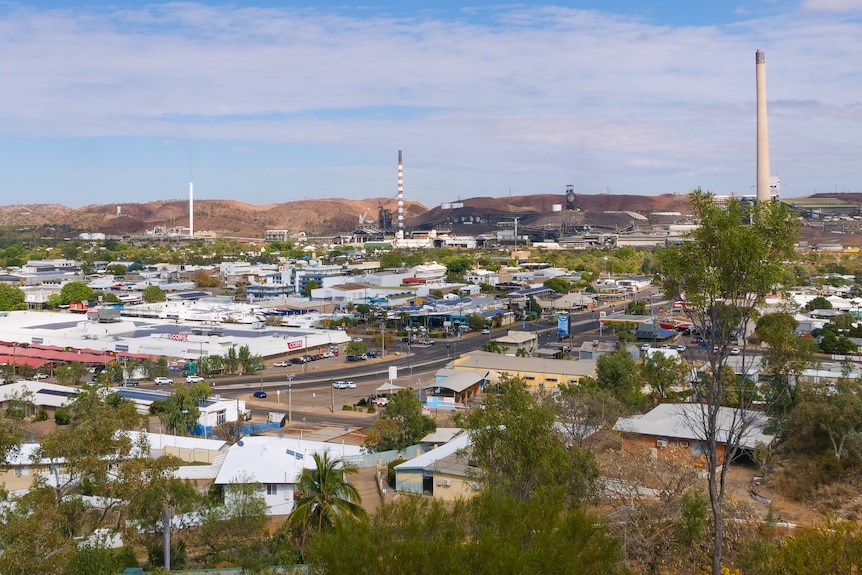
Outback city Mount Isa was once the most multicultural in Queensland, with local mines attracting international workers. (ABC News: Abbey Halter)
Glencore chief operating officer Troy Wilson said 29 skilled international workers would start roles in the town in the next two months, and more were set to immigrate to the region.
Mr Wilson said the company was prioritising “displacing” fly-in, fly-out (FIFO) contracted workers to increase its Mount Isa-based workforce.
“We’re recruiting for over 100 roles at the moment, but the international program is a small component of our strategy and how we want to enter the market,” Mr Wilson said.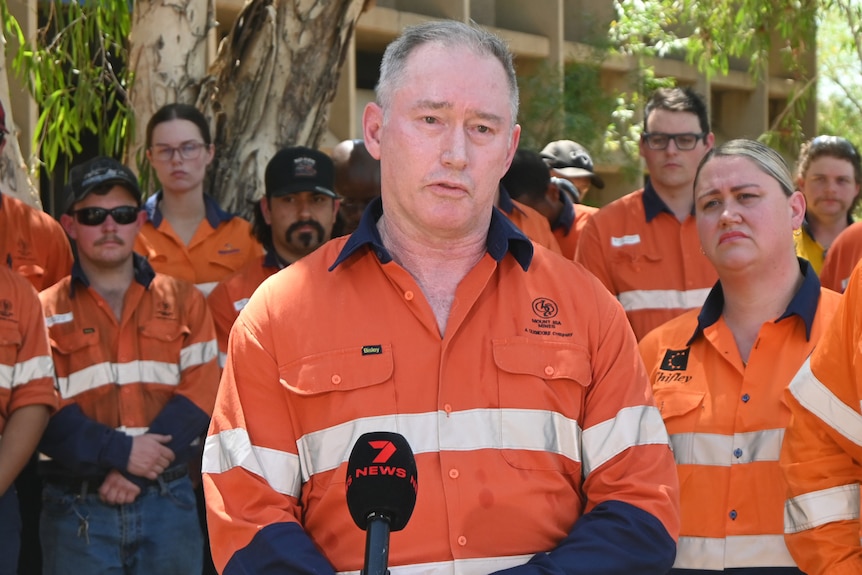
Troy Wilson says the company does prioritise local workers and is actively recruiting. (Supplied: Matt Nicholls)
“The quality of the artisans in Zambia and the technicians in the Philippines are highly skilled and are able to meet the needs of what we need here in our operations.”
In the last five months, Mr Wilson confirmed Glencore had offered 270 permanent roles to its current workforce of 2,150 people, with 190 of those converted from contractors to full-time, town-based jobs.
He said a national critical skills shortage was partly driving the international advertising campaign, which had involved company representatives travelling overseas to recruit workers.
‘Uncompetitive’ ploy
In 2025, Glencore’s figures reported about 500 direct jobs at its underground copper mine site were made redundant when the facility’s operations ceased.
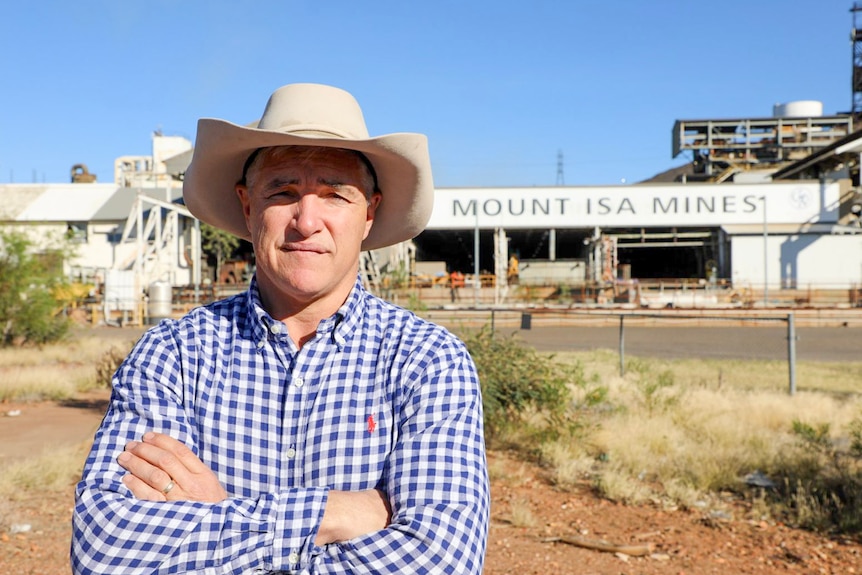
Robbie Katter says domestic workers should be prioritised over the international workers set to begin at Glencore’s Mount Isa Mines. (Supplied: Katter’s Australian Party)
The state member for Traeger, Robbie Katter, said those workers should be offered positions in lieu of Glencore taking international applications.
Mr Katter said the company’s use of international workers was a ploy to keep its mining wages “uncompetitive”.
While Mr Katter said it was a positive that international workers would live in Mount Isa, rather than be FIFO workers, he remained critical of Glencore’s campaign.
“It’s nice to have permanent employees and we’re not really debating where they come from … it’s the fact of why they need to do it,” he said.
“The ‘why’ is because they don’t pay enough … and no one in Australia, or locally, sees the incentive.
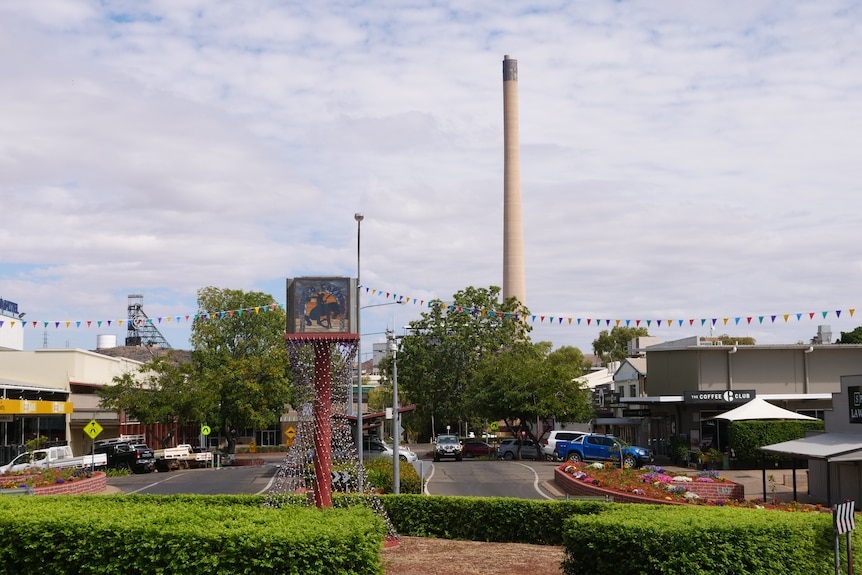
Known as Australia’s “rodeo capital”, Mount Isa is home to about 19,000 residents. (ABC News: Abbey Halter)
“These wealthy commodity traders in Switzerland make all the money, and we’re left to pay the price in Mount Isa.”
When asked if wages were a factor in the company’s inability to attract domestic workers, Glencore’s Mr Wilson did not directly respond, but said the EBA process was ongoing.
The Australian Workers Union (AWU) claimed wage offerings and conditions at Glencore’s Mount Isa Mines were below industry standards.
Staff have been in negotiations with the company to increase wages since last year.
AWU Queensland branch secretary Stacey Schinnerl said migration programs should not be used as an “industrial relations weapon”.
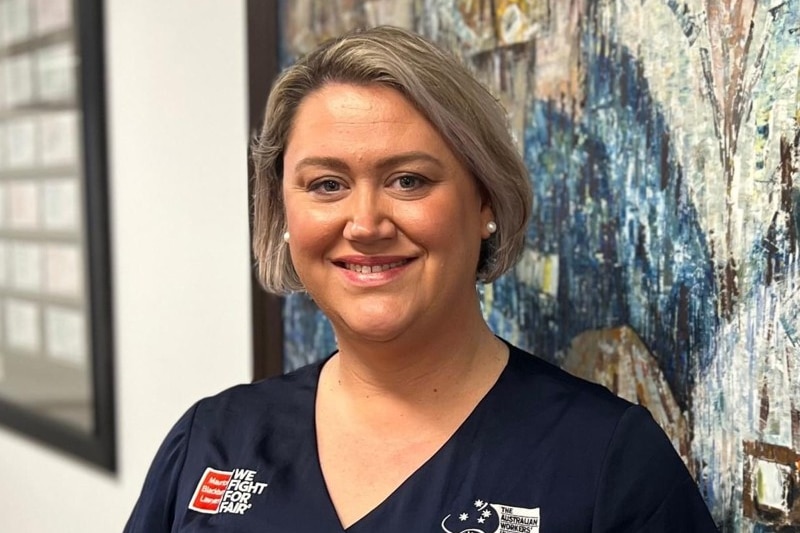
Stacey Schinnerl says wages at Glencore’s Mount Isa Mines are below industry standards. (Supplied: AWU)
“Before a single overseas worker is brought in, Glencore should do the obvious thing: pay Australian workers a competitive wage,” Ms Schinnerl said.
Glencore said the company promoted local hiring alongside apprenticeship opportunities.
“Everyone is entitled to their opinion, but we’re focusing on what we can do here locally in town,” Mr Wilson said.
“We’ll have some new people coming to town with their families and really take the opportunity to build their careers and contribute to the local community.”