
It rewrote the rules of sitcoms, launched careers, and still somehow stayed a secret. As it edges toward another quiet exit from streaming, what kept this comic masterpiece hidden in plain sight?
Arrested Development has long been the funniest show too many people never pressed play on. Born in November 2003 around a disastrously dysfunctional family after the patriarch’s arrest, it fused rapid-fire jokes with a mockumentary rhythm, narrated by Ron Howard and fueled by Jason Bateman, Will Arnett, Michael Cera and Jeffrey Tambor. After three brilliant but under-watched seasons, Netflix revived it in 2013 to more mixed results. If you’ve yet to meet the Bluths, the clock is ticking: the series leaves Netflix on March 14, 2026.
Comedy brilliance hidden in plain sight
Arrested Development may not have reached universal fame, but for those who discovered it, it remains a comedic treasure. Premiering in November 2003, this cult favorite reshaped TV comedy, threading absurd humor through the tangled lives of a dysfunctional family. Despite critical acclaim, it stayed outside the mainstream and grew through word of mouth.
Now, the series faces another twist in its journey: it is scheduled to leave Netflix on March 14, 2026, a detail that should prompt hesitant viewers to jump in before it vanishes from the platform.
A family like no other
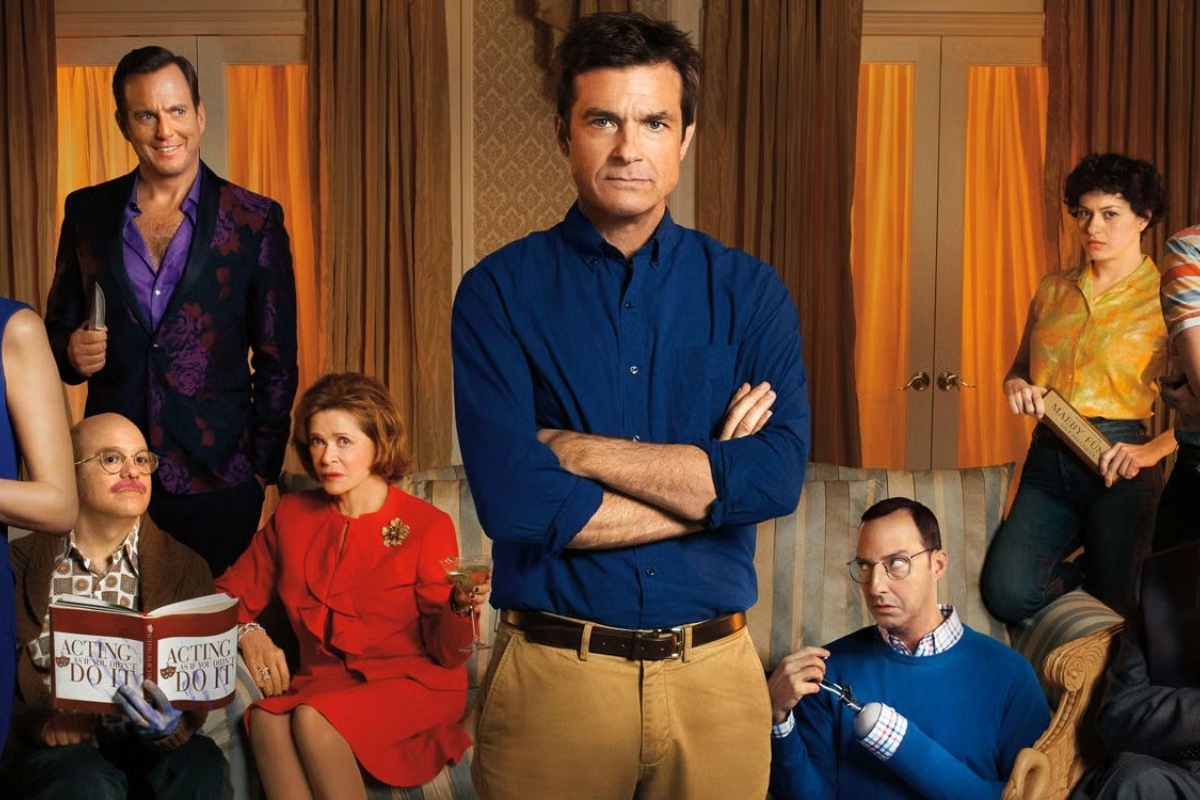
The heart of Arrested Development is the Bluth family, a spectacularly self-absorbed clan spiraling into chaos after their patriarch, George Bluth Sr. (Jeffrey Tambor), is arrested. His son Michael (Jason Bateman) tries to hold everything together, though his efforts are hilariously futile.
Each Bluth brings a distinct brand of dysfunction: the bumbling magician Gob (Will Arnett), sheltered Buster, ditzy Lindsay, and socially awkward George Michael (a young Michael Cera). The action is framed by Ron Howard’s dry narration, adding a sly meta layer that sets the series apart from standard sitcoms.
Crafted for comedy lovers
The show delights in boundary-pushing humor, parodying soap operas while packing episodes with meta-jokes and running gags that reward attentive viewers. Its mid-episode teasers gleefully mock the very idea of “next time” clips.
The performances are equally sharp: Jason Bateman grounds the chaos as Michael, while Will Arnett’s Gob delivers some of the biggest laughs with his “illusions” (not to be confused with mere tricks). From quiet chuckles to outlandish absurdity, every beat is deliberately engineered.
A second chance, thanks to Netflix
After its initial run on Fox ended in 2006 due to low ratings, the series found a savior in Netflix seven years later. The platform revived the show with seasons 4 and 5, released in 2013 and 2018. Reception was mixed among longtime fans, but the revival introduced the Bluths to a new generation, proving the characters’ staying power.
Once again, the clock is ticking. The series will leave Netflix on March 14, 2026, raising questions about which SVOD service might pick it up next or whether this marks the end of its wide availability.
A legacy greater than ratings
Regardless of its ratings history, the show’s cultural footprint endures. Michael Cera blossomed into an indie favorite, Will Arnett became a standout voice in animation, and Jason Bateman thrived as both actor and director. For many, their defining work still lives in this chaotic family saga.
Some series find their value beyond box office or streaming stats. Arrested Development remains a masterclass in smart, self-aware comedy, resonating with viewers willing to look past its initial obscurity. Watch it before it disappears again.