
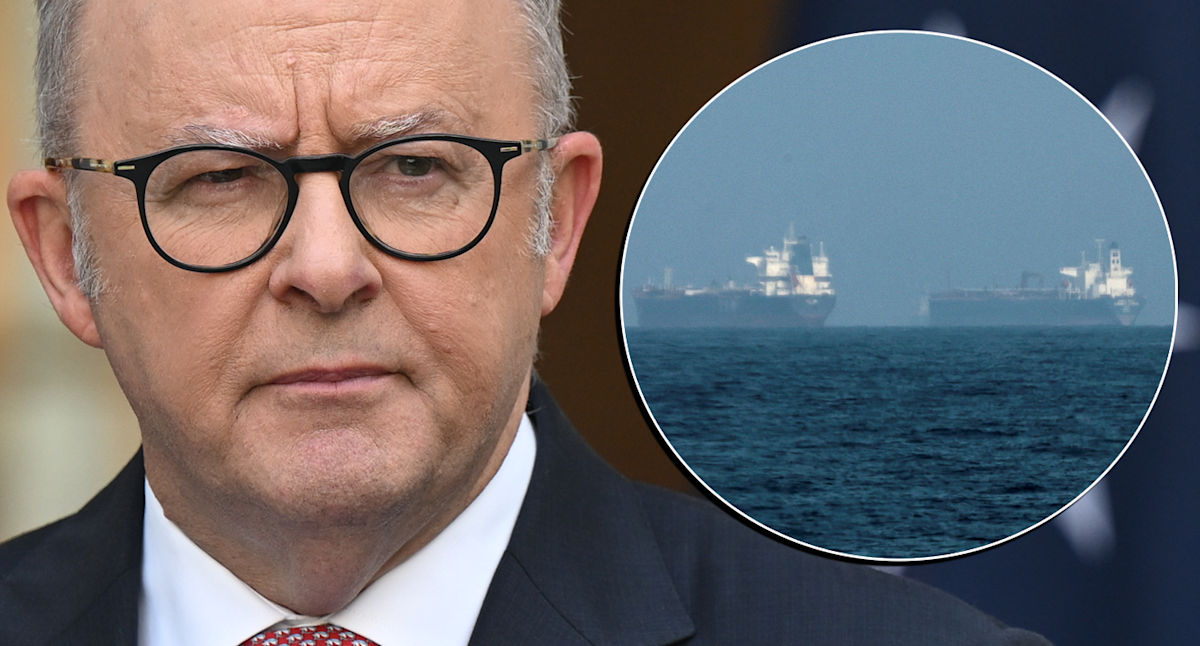
 Fuel imports to Australia could come under pressure if the conflict in Iran drags on. (Source: Newswire)
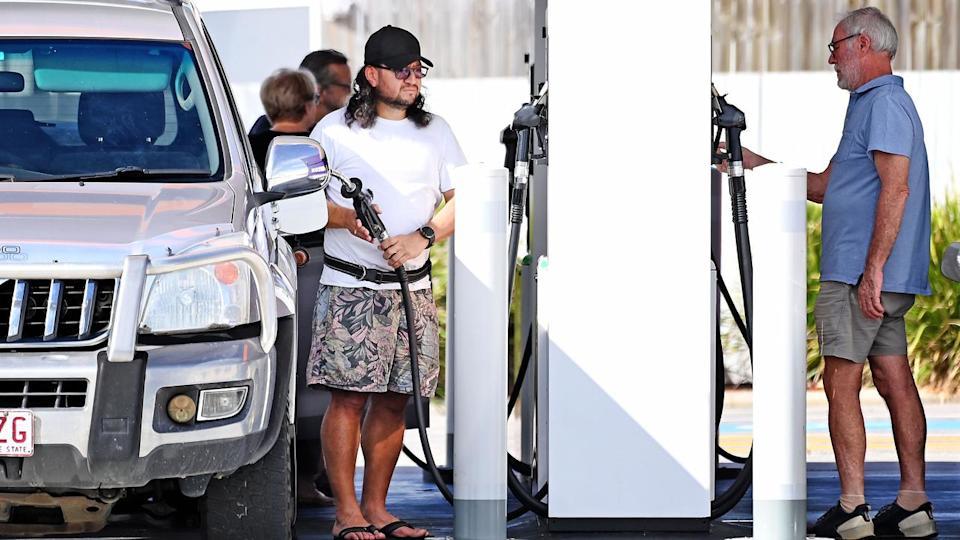
If crude oil markets seize up and more countries restrict exports of refined liquid fuels, Australia could be forced to the bargaining table. Oil prices in global markets and at the petrol pump continue to surge higher as the conflict in Iran intensifies.
For Australia, that could put us in a very tricky position, warns Rabobank’s senior macro economist Benjamin Picton. In an absolute worst case scenario, dwindling fuel availability could see work from home mandates and flight restrictions put on the table, he said.
About 20 per cent of Australia’s much-needed imports of refined liquid fuels comes from refining facilities in China and Thailand. But reports late this week say the two countries have put a halt on fuel exports effective immediately.
“In the current environment, unless something changes, that’s going to be difficult to replace,” Picton told Yahoo Finance.
RELATED
“Because everyone’s going to be in the same boat. Everyone’s going to be scrambling to try to replace lost supply and it’s going to be a case of who’s willing to pay the most, wins.”
The difficulty for countries like Australia and New Zealand, is that we sit at the end of a long supply chain and already face high shipping costs.
Chinese refiners were told to stop signing new contracts and to negotiate the cancellation of already-agreed shipments of fuel, Bloomberg and Reuters reported on Thursday.
Picton expects other counties could soon make similar announcements to restrict the amount of refined fuel they send offshore.
“It’s probably going to be the case that we’ll see some other major refiners making those sorts of announcements, particularly Asian refiners because they rely so much on imported crude,” he said.
 Tankers are seen off the coast of the Fujairah, as Iran vows to fire on ships transiting the Strait of Hormuz. (Source: Reuters) · Reuters / Reuters
Saudi Arabia is currently racing to reroute millions of barrels of oil to its ports in the Red Sea which will help keep supply flowing to refiners in Asia and elsewhere that Australia relies on. But other producer nations in the region face a shrinking window to resume exports through the Strait of Hormuz.
If broad based attacks in the region continue and nations begin to hoard, then Australia might need to use exports of liquified natural gas (LNG) as a bargaining chip, the Australian economist suggested.
“Then we start to get into the territory where we we have to find ways to either secure alternative supply,” Picton told Yahoo Finance.
“If it gets bad enough for long enough, then we start to get into the conversation around needing to limit usage. We might be talking about work from home mandates. We might be talking about restrictions on air travel and even rationing, if it got bad enough for long enough.”
Australia relies on imports for 90 per cent of our refined liquid fuel needs because we only have two operational refineries left in the country after six were closed in recent decades.
Most of those imports come from South Korea, Singapore, Japan and Malaysia which, in turn, rely on oil from the Middle East that must transit the Strait of Hormuz, which has effectively been closed.
Australia’s fuel stocks do actually sit at a 15-year high, however they remain well below international obligations. As a party to the International Energy Agency, Australia is required to have minimum 90 day stocks of oil and refined fuels.
Russia’s invasion of Ukraine exposed the vulnerability of Australia’s supply strategy, which has largely relied on just-in-time shipments that minimise storage costs.
This week, the Maritime Union of Australia called on the federal government to recognise the precarious nature of local industry – and the Australian consumer – in times of global conflict.
“The closure of the Strait of Hormuz during the recent attacks on Iran is a stark warning of the volatility of Australia’s access to global fuel supply chains,” MUA’s National Secretary Jake Field said.
“Fuel security must be recognised as a pillar of national security, economic policy and social stability.”
Get the latest Yahoo Finance news – follow us on Facebook, LinkedIn and Instagram.