
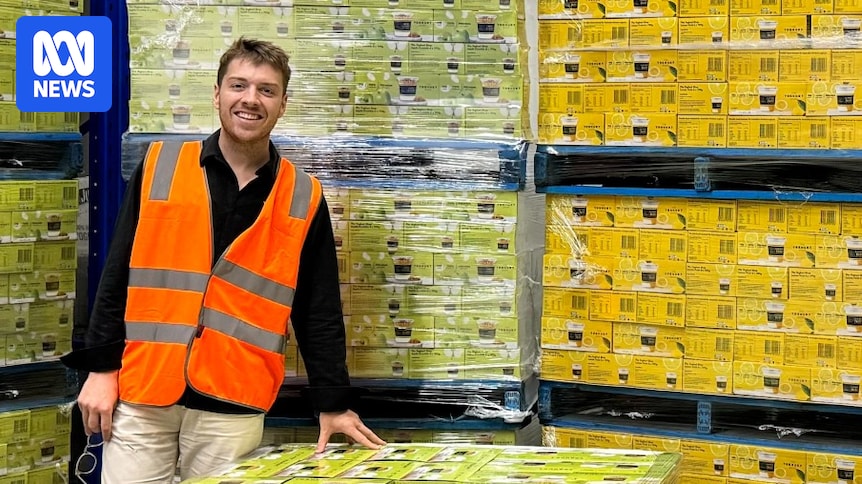
Australian fresh food producers have been swept up in the conflict in the Middle East, with tonnes of product left sitting in cool rooms.
Adelaide-based The Yoghurt Shop’s biggest export market is the Middle East, supplying to supermarkets across the region and providing in-flight meals for airlines including Qatar and Emirates.
While passengers have been stranded across Australia, companies like The Yoghurt Shop have been scrambling to ensure perishable products get to consumers.
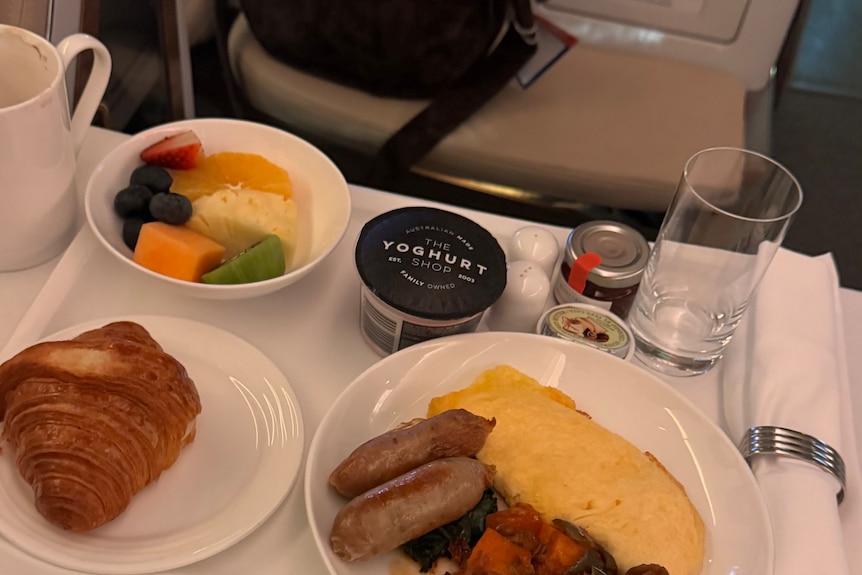
The Yoghurt Shop products are served on Emirates flights. (Supplied: The Yoghurt Shop)
Chief operating officer Brandon Reynolds said he was shocked by the conflict, but priorities quickly shifted to trying to get the yoghurt transported.
“On a Friday each week, we prepare a lot of our export orders to head to that region and trucks headed to Melbourne to board various flights,” he said.
“It quickly became evident that they weren’t going to go anywhere.
“Over Sunday and Monday our customers started reaching out thick and fast to suspend [their orders] and explain that they weren’t sure what was going to happen.
“We wouldn’t be able to get the stock there.”
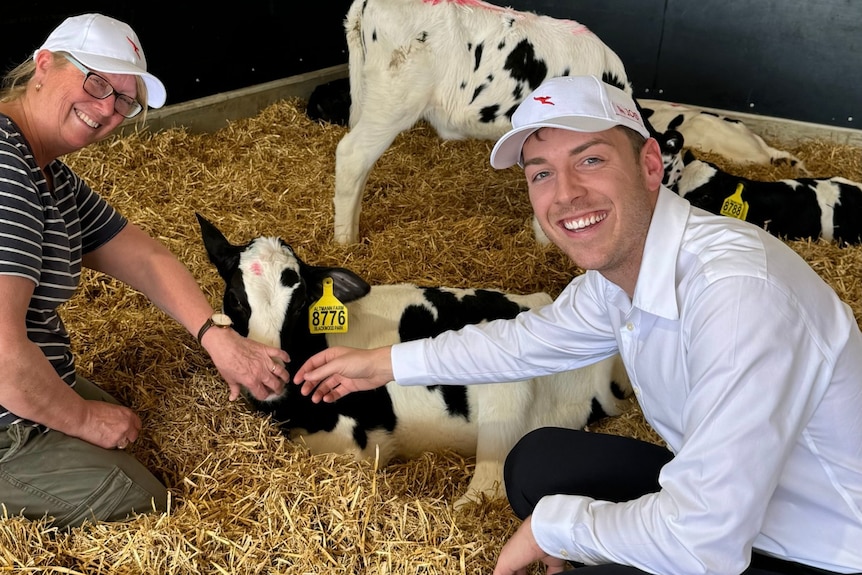
Murray Bridge farmer Karen Altmann with Brandon Reynolds. (Supplied: The Yoghurt Shop)
Tonnes of stock
Mr Reynolds said the disrupted orders included the first deliveries to new customers in the Middle East.
“We had around $20,000 [worth of product] just dedicated to one retailer in the UAE, which is a significant amount of product,” he said.
He said the company was also preparing orders to ship from Adelaide to Kuwait.
Instead, the yoghurt has been stored in chilled warehouses, where teams will decide today what to do with it.
“If it doesn’t make its way to [the Middle East], we will have to discount and get it out into our retail partners in the country so it won’t go to waste,” Mr Reynolds said.
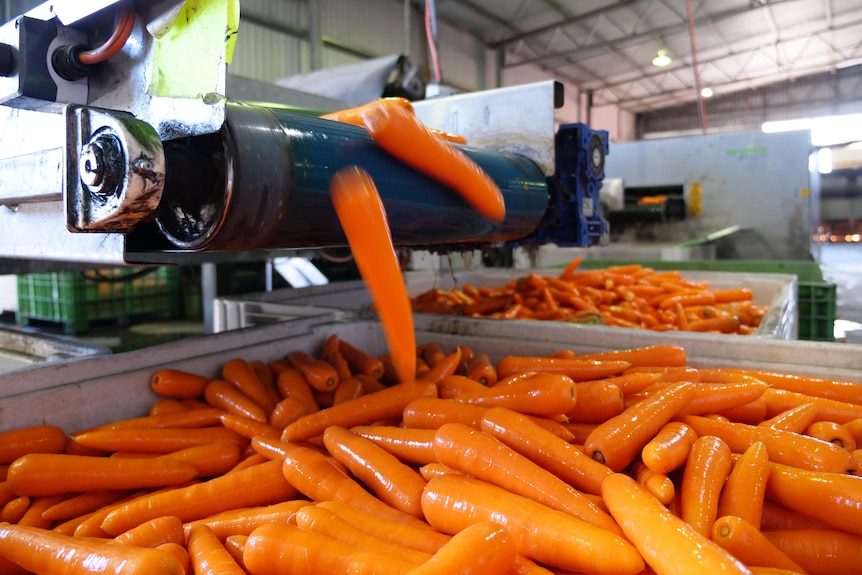
Carrots are among the vegetables exported to the Middle East. (ABC News: Jessica Hayes)
Not only has yoghurt been impacted.
AUSVEG’s Andrew MacDonald said the Australian vegetable industry sent almost 60,000 tonnes to the Middle East each year — about 35 per cent of the overall vegetable export volume.
He said last year the value of the Middle East market was about $53 million, and included carrots, onions and potatoes.
“In the immediate term, it’s probably unlikely those consignments will be able to be diverted into other export channels,” he said.
“It may also mean that this produce has to be absorbed into the domestic market too.”
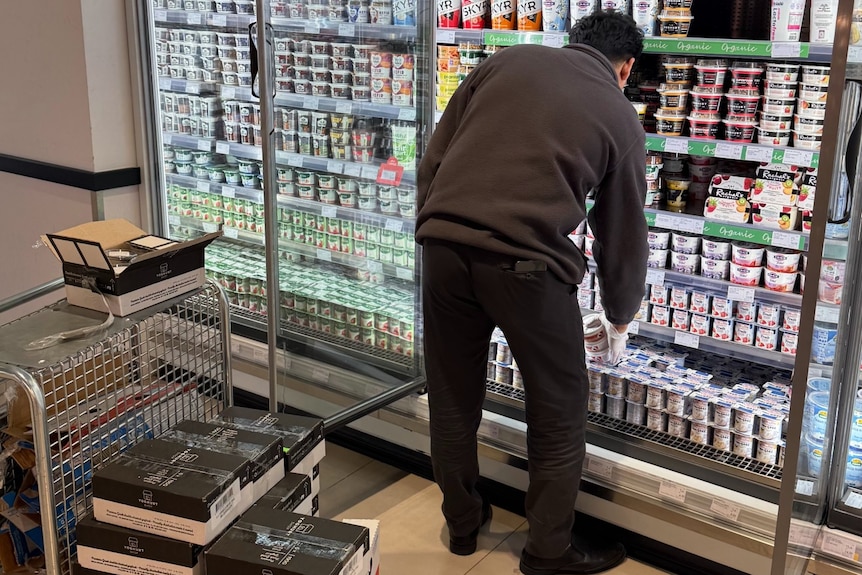
The Yoghurt Shop products are stocked at Spinneys in Dubai. (Supplied: The Yoghurt Shop)
No clear end in sight
The Yoghurt Shop is expecting to take a hit to its business while the conflict continues and orders cannot be delivered.
“Our investment in the region is, at the moment, looking a bit shaky,” Mr Reynolds said.
“What we’re waiting for is a quick outcome … but we’re also preparing for a longer-term delay.”
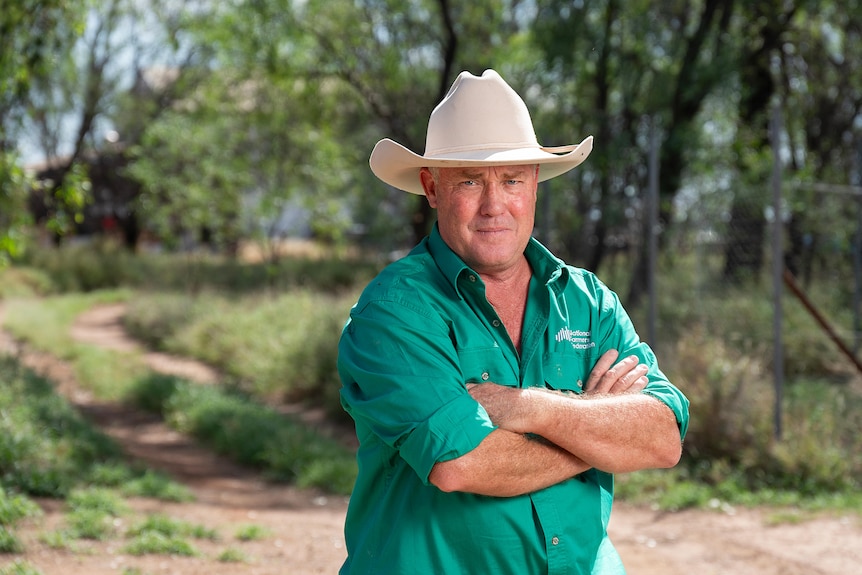
Hamish McIntyre says growers are exposed to geopolitical disruptions. (Supplied: National Farmers’ Federation)
National Farmers’ Federation president and Queensland farmer, Hamish McIntyre, said the conflict highlighted how farmers were at the “mercy of geopolitical tensions”.
“Livestock exports have been disrupted and we expect farmers will soon face higher fuel and fertiliser prices,” he said.
“Historically, not enough work has been done to understand and plan for these vulnerabilities.
“We believe the [federal] government must explore all options to understand and protect local food and fibre production against vulnerabilities like global conflict.”

Andrew MacDonald says the Middle East is a major export market for vegetables. (Supplied: AUSVEG)
Mr MacDonald said it was still unclear how the conflict would impact prices.
“Growers will be doing what they can to find markets and buyers for their produce,” he said.
“But just at the minute we are facing this volatile, uncertain and highly disruptive situation.”
Mr Reynolds was confident business would resume once trade to the Middle East reopened.
“We’re not worried about being able to regain that business when flights reopen,” he said.
“We have a consumer base there that’s really enjoyed buying our yoghurt week in, week out.”