
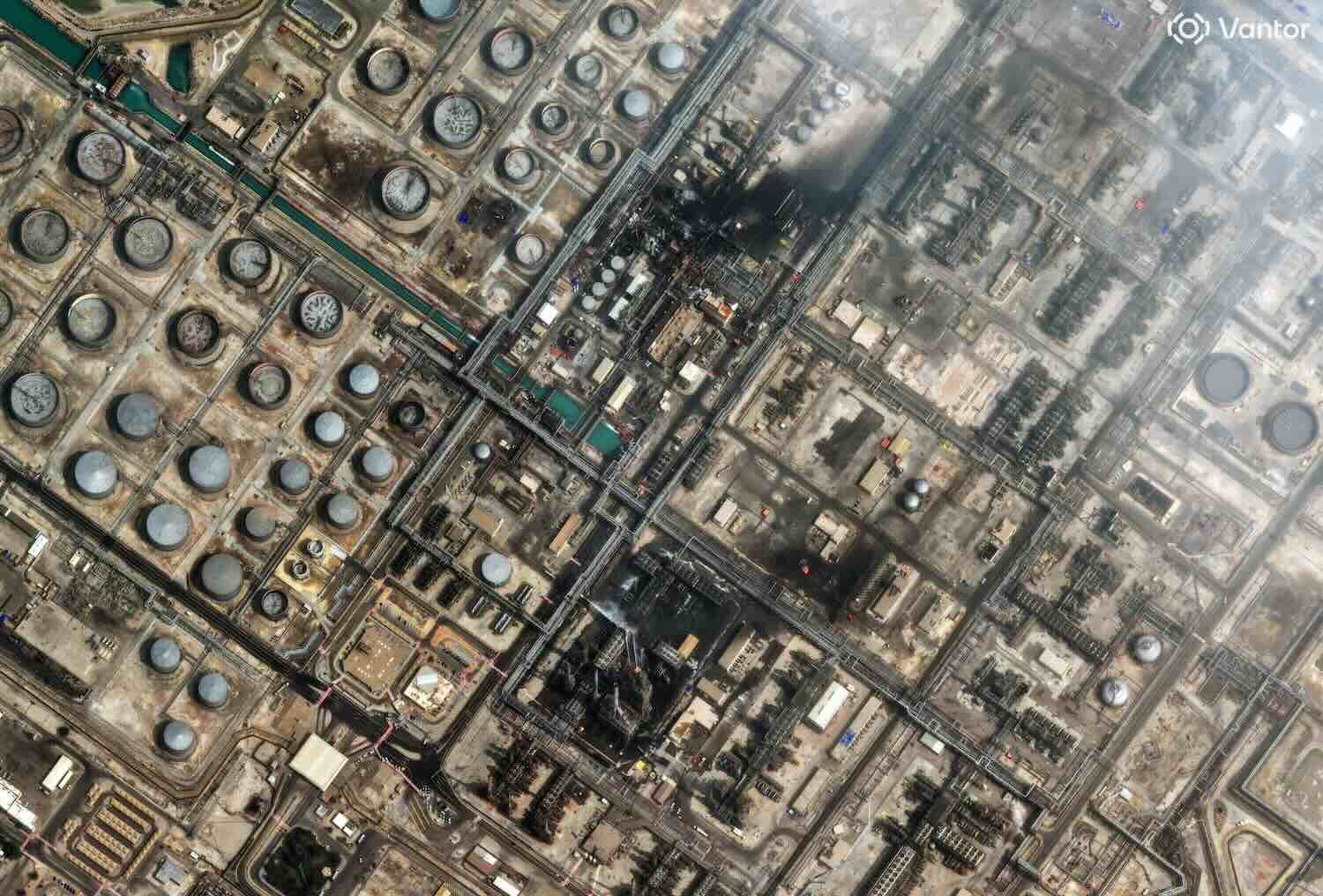
Trump’s war in the Middle East might seem a long way from home, but when conflicts affect global oil and gas routes, Australians feel it.
First, we feel it at the petrol pump, then on our power bills and groceries, and ultimately in the rent and mortgage.
Oil is traded on global markets. When trade is halted, prices rise. Australia imports more than 90% of its petrol and diesel. If all imports stop, we have less than two weeks supply stored here.
As of the time of writing, oil is trading at $US85 a barrel, up 15% in two days, but bankers predict this will rise to $100 before the war is over.
Higher oil prices show up first in petrol and diesel. For regional Australians, that hits hard. Longer distances mean more driving. Farmers rely on diesel for machinery. Small businesses depend on freight. When fuel rises, costs rise immediately across the board.
But it doesn’t stop there. Higher fuel costs flow through the economy. Transport becomes more costly. Groceries become more expensive and the cost of living rises for everyone.
Fossil gas prices are also affected because the Middle East is a major exporter of liquefied fossil gas. Australia’s fossil gas prices are set by the price the gas industry can extract from the international market. During a conflict like this, they get richer, and we get poorer.
A jump in gas prices will likely mean electricity costs rise on Australia’s east coast, because it is the most expensive way to make electricity. When gas rises, power bills follow.
All this feeds directly into inflation. Higher inflation means mortgage holders and renters both suffer. The Reserve Bank won’t cut rates while there’s an energy crisis brewing. It might even raise them.
Even a small rate change can mean hundreds of dollars a month on a typical home loan. Renters feel it too, as higher mortgage costs are inevitably passed through.
In other words, when oil and gas prices spike, the effect ripples out from global shipping lanes right to our cafe and kitchen tables.
Australia remains exposed to global fossil fuel volatility.
There is another way, a solution to over-reliance on dictators and the rapacious profiteering of oil and gas companies. The solution is to power our economy with renewables.
Your rooftop solar panels don’t care what happens on international oil markets. Wind and solar farms in Australia are the cheapest form of energy and the price of the electricity they make does not change when Trump starts dropping bombs.
The more energy we make at home from renewables the less exposed we are.
Electrifying transport strengthens that protection. Electric vehicles powered by Australian renewables are not affected by oil shocks. Electrified buses and fleet vehicles reduce exposure to diesel volatility, keeping a lid on cost of living for everyone.
Shifting from imported oil to locally produced renewable electricity makes our economy more stable, reducing inflation and cost-of-living pressures.
For regional communities, new renewables bring additional opportunity. They bring construction work, ongoing jobs, landholder payments and community benefit funds. Australians cannot control Trump or geopolitics, but we can control how dependent we are on fossil fuels.
The safest way to protect households from higher bills is building more renewable energy, storage and electrified infrastructure here at home.
Jack Redpath is a campaigner with the Australian Conservation Foundation
