
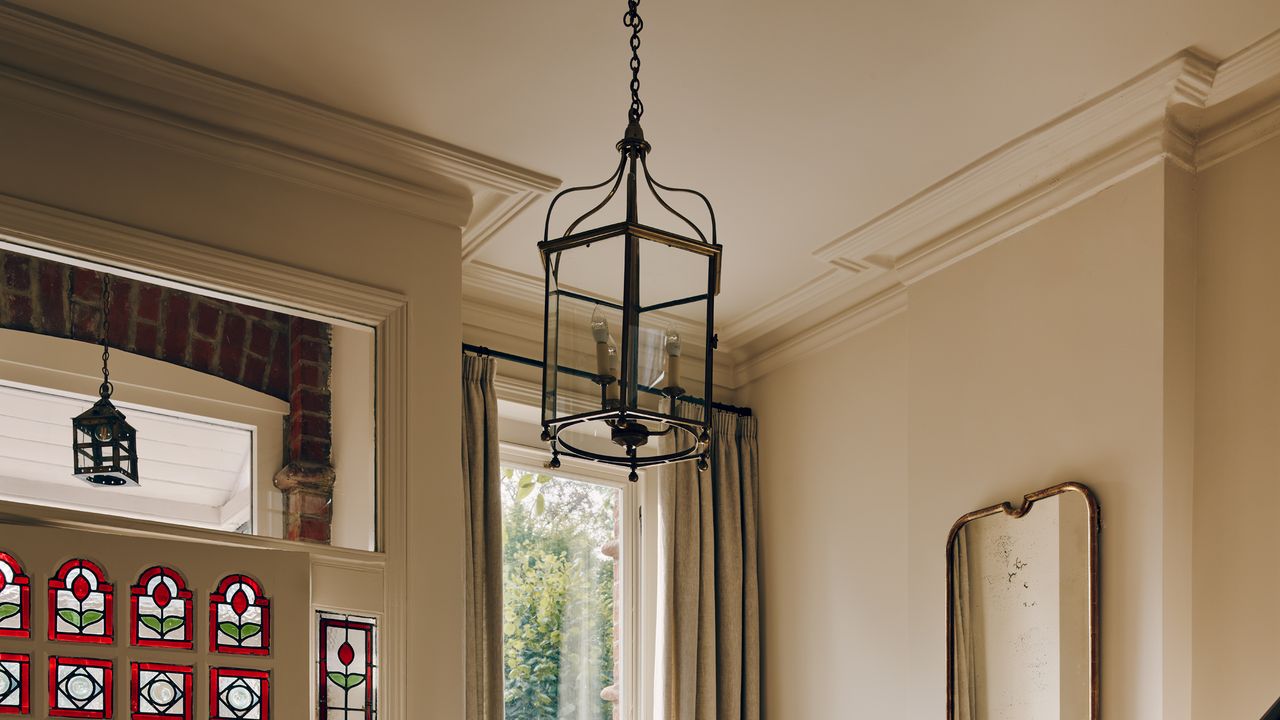
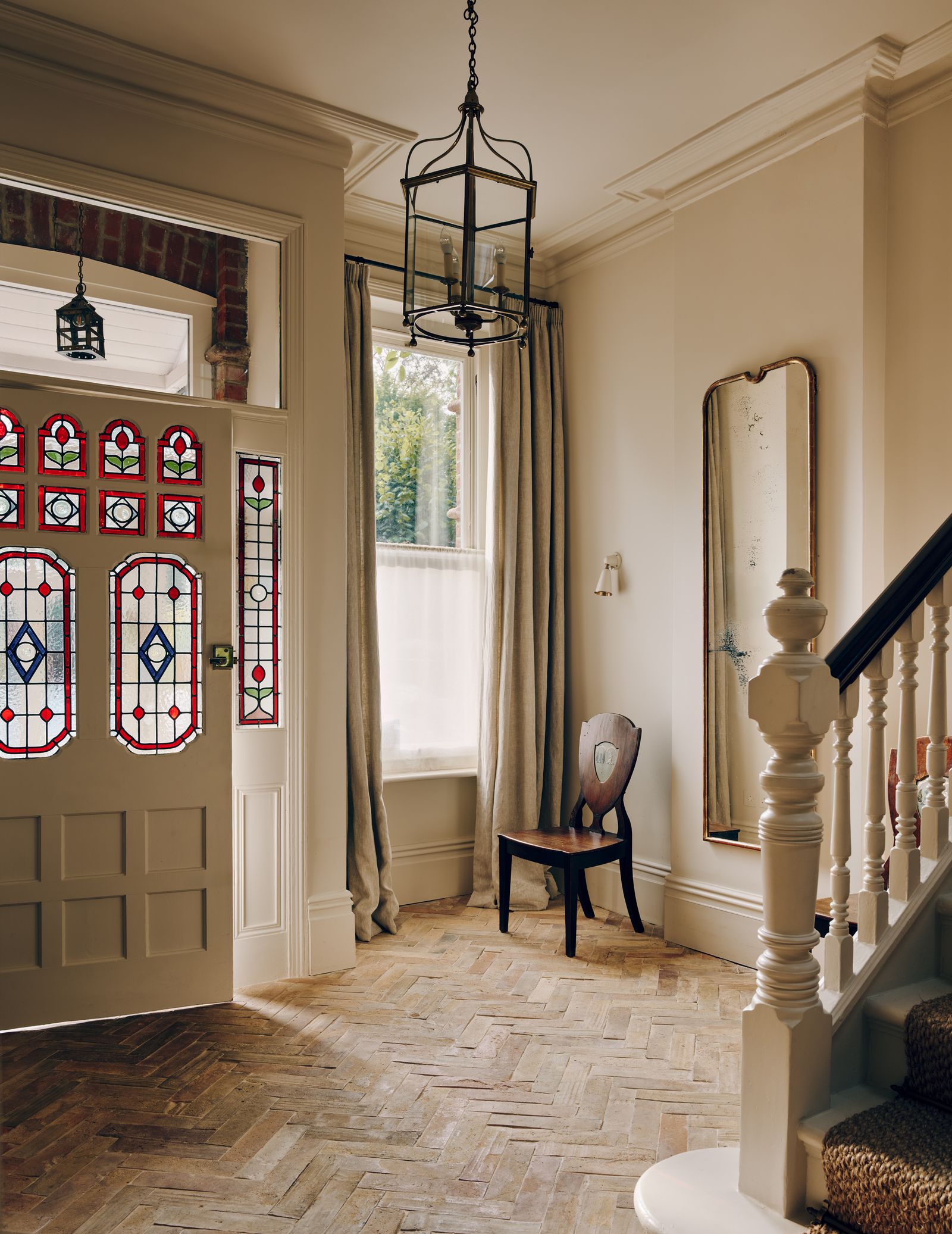
A few years ago, the idea of ‘staging’ your house ahead of selling it might have seemed like a wild extravagance that is reserved for our friends across the pond (see Selling Sunset, where no house hits the market until it has been swathed in neutral fabrics and curvaceous furniture, and any practical appliances removed from the kitchen). More recently, however, the phenomenon has made its way to the UK and is now considered to be a valuable tool for securing a buyer. So valuable, in fact, that Tim Murray, Co-Founder of The Folio Group staging company describes it as ‘the best property marketing tool available to vendors’. But what is house staging? And is it really worth it? We speak to the experts.
‘In its bare basic form, home staging is preparing your property to go on the market for sale,’ explains Natalie Evans, Founder and CEO of staging company Little Barn Door and President of the Home Staging Association UK. ‘Unlike interior design, where you want to bring your personality into a space, home staging is about making it as appealing as possible to a potential buyer so they can picture themselves living there,’ she continues.
For Natalie, home staging is as much about psychology as it is about aesthetics: ‘A home stager needs to have a very good idea of who is going to buy the property and how they will use it. It is likely that the person buying the house will be at the same stage that you were at when you bought it: for example a young family will want to know there is enough space for children’, she explains, adding that in such instances, she may recommend that her clients transform disused rooms or hybrid storage-office rooms into bedrooms to meet the need.
For Alice Grimes, Associate Director at London-based home staging specialists BoxNine7, it is also about aesthetics. ‘We focus on subtle updates that enhance the space without overwhelming it. That could mean decluttering to allow light and flow, neutralising strong personal touches, or layering in soft furnishings that bring warmth and cohesion. Every decision made by asking “how can we help someone visualise this as their future home?”’
On neutralising strong personal touches, Natalie agrees. ‘I will immediately advise a client with a strong colour palette to tone it down,’ she says, explaining that the appeal of the house needs to be as ubiquitous as possible, and not everyone will love your feature wall as much as you do. Indeed, on a recent project, Alice advised a client to repaint the hallway – which was colour drenched in red – in a softer, less striking shade. Other things that scream ‘this is my house not yours’ should be removed, advises Tim, who suggests ‘storing away family photos and kids’ artwork’.