
Stranded Australians and their relatives are accusing the Albanese government of failing to offer genuine support during the Middle East conflict.
Some returned travellers have also questioned why planes bound for Australia had dozens of empty seats.
An Etihad flight that left for Sydney on Thursday night was reportedly half-empty, according to photos from passengers.
Iran war live updates: For the latest news on the Middle East crisis read our blog.
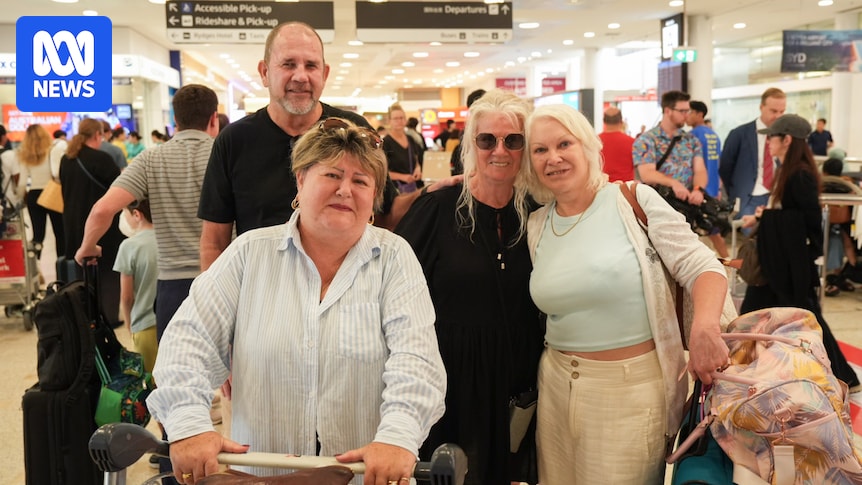
Julie Pearce, who arrived in Sydney on Friday on a flight from Dubai, said the airline was “fantastic” but “the Australian government didn’t do much”.
“To be honest, if the Australian government was working with the airline — that flight was only a third full — they could have got a lot more people on there,” she said.
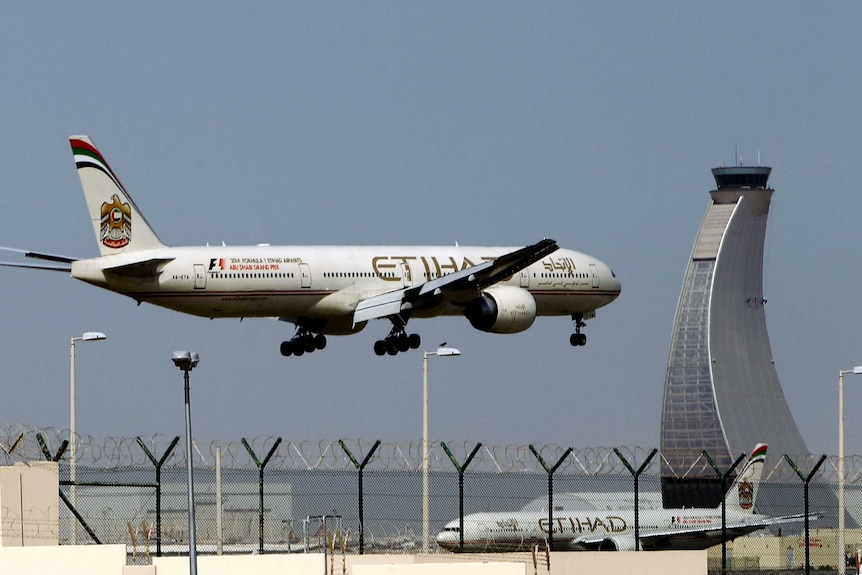
Passengers are reporting dozens of empty seats aboard Middle Eastern flights back to Australia. (AP: Kamran Jebreili)
She said they had three seats to themselves on the 14-hour flight to Australia.
Ms Pearce said she had received more communication from the United Arab Emirates government, which offered to pay for their accommodation and food for an extended stay.
Trudy Schipelliti, who was also on the flight, said the government’s support of those stranded in Dubai was “pretty disgusting”.
“There are a lot of people waiting to get out and [the flight] would have only been about 20 per cent full,” she said.
“We got a few letters but they were all saying the same kind of thing. If they were sincerely trying to help us get on flights, that flight would have been packed.”
Ms Schipelliti said passengers were not told why the flight was so empty.
Read more about the Iran war:’No operational reason’ why flights half-empty
Foreign Minister Penny Wong said it was “disappointing” to see flights from the Middle East arrive in Australia half-empty.
“We are seeking to work even more closely with the airlines to try and coordinate that,” Senator Wong said. “We want every seat filled.”
The ABC understands 286 passengers have flown from Dubai to Sydney, 155 people from Dubai to Melbourne and fewer than 100 from Abu Dhabi to Sydney.
Four Emirates flights from Dubai were scheduled to leave within 24 hours, along with two Etihad flights from Abu Dhabi.
The first flight arriving in Sydney on Friday carried more than 400 passengers.
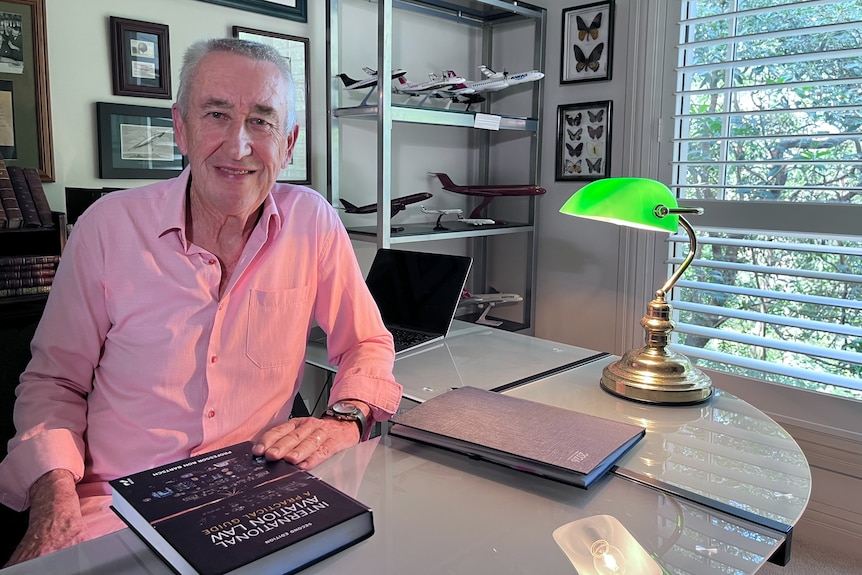
Ron Bartsch says it is likely airlines, local authorities and the chaos of war are reasons why not every seat is filled. (ABC News)
Australian aviation expert Professor Ron Bartsch said it was unlikely Australian government authorities would have had much influence over the number of passengers on each flight.
Loading
“In terms of fuel and payload, there’s absolutely no operational reason why they would be half-empty,” he said.
“But in terms of confusion and the lack of clarity of the very volatile situation in the Middle East, I suspect it’s a lack of communication and coordination on the part of the airlines and regulatory authorities in those countries.”
DFAT response ‘just not acceptable’
Chris Brooks said his brother Phil and his wife became stranded in Qatar on Friday after the couple’s flight from Cairo was forced to land in Doha.
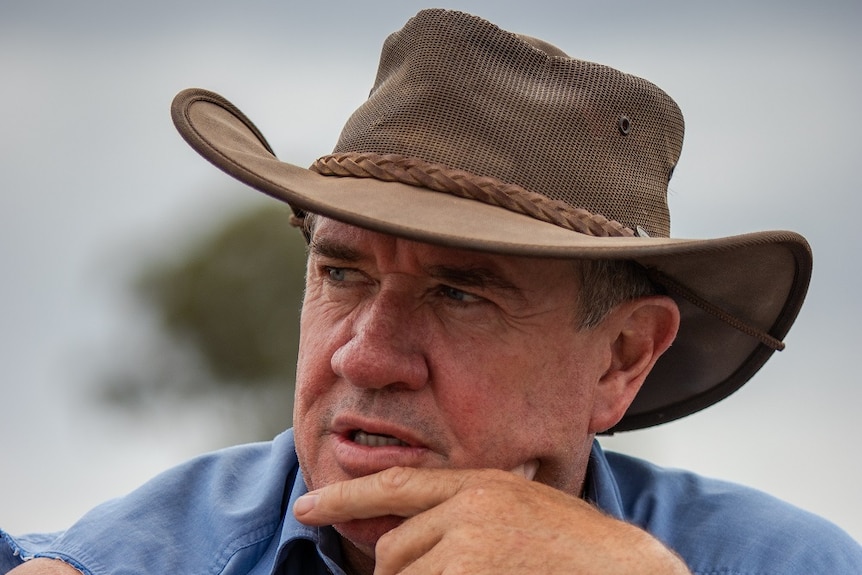
Chris Brooks says he is not satisfied with the department’s response. (ABC News: Will Kendrew)
“There’s a fair few missiles and explosions going on around the place, which is a bit unnerving for country boys,” he said.
Mr Brooks said he had been contacting DFAT on a daily basis seeking options to get the group home, but had been “filthy” about the department’s response.
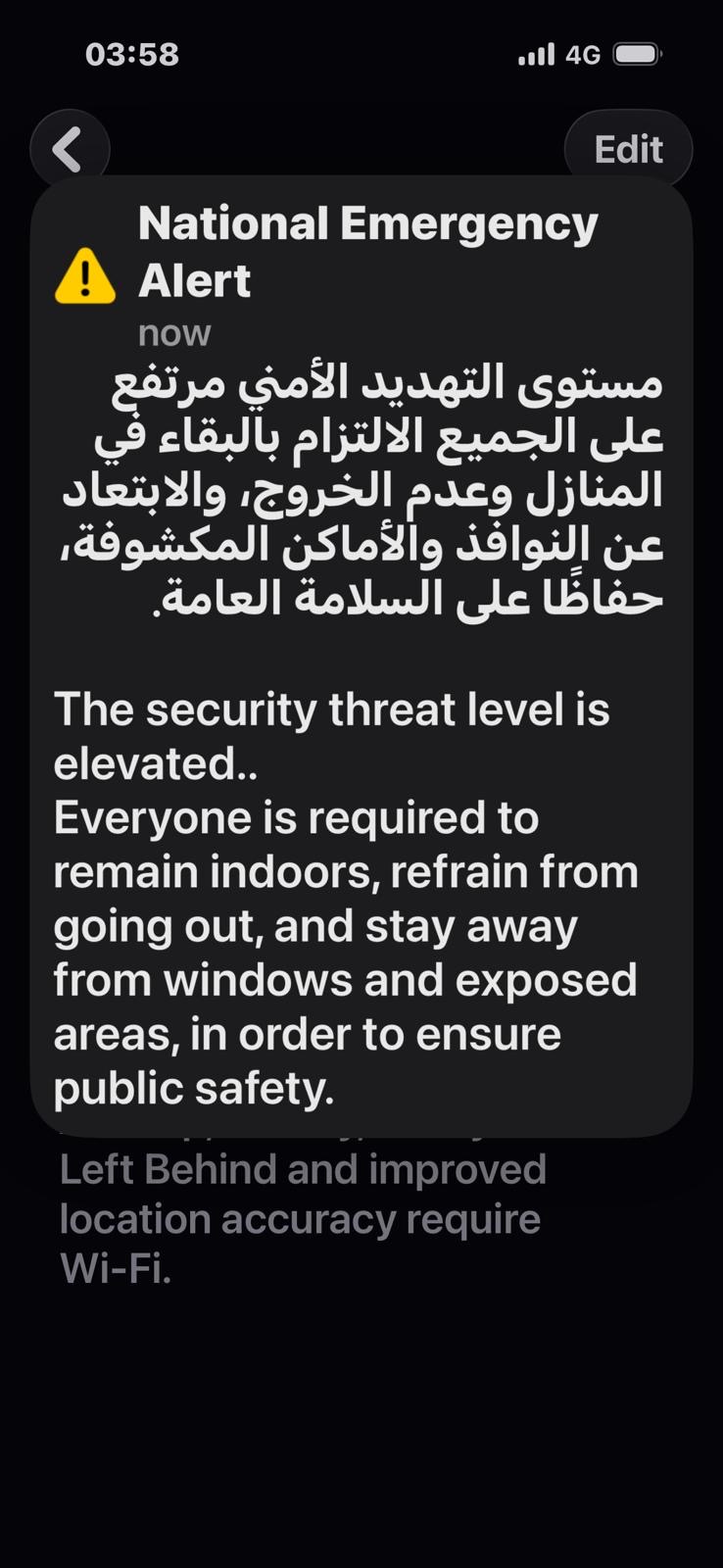
Phil Brooks receives a daily security alert from the Qatari government. (Supplied: Chris Brooks)
“You get these stupid, standard, almost AI-generated emails saying they have to monitor the plane movements and keep in touch with the people that they’ve booked their flight with,” he said.
“There is no food. There is little accommodation. It’s like soup kitchens to try and get food. One of the guys is diabetic and on heart medication and his health is failing.”
Mr Brooks said his brother Phil had been receiving daily emergency warnings from the Qatari government.
Mr Brooks said the lack of support from the Australian government was stark when compared to other countries, which had offered help with accommodation, food and transport.
“The Australians are standing there looking at one another thinking, ‘This is not very good service and just not acceptable,'” he said.
Mr Brooks said he wanted the government to arrange visas for the group so they could drive a vehicle to Dubai and fly home from there.
Loading…