
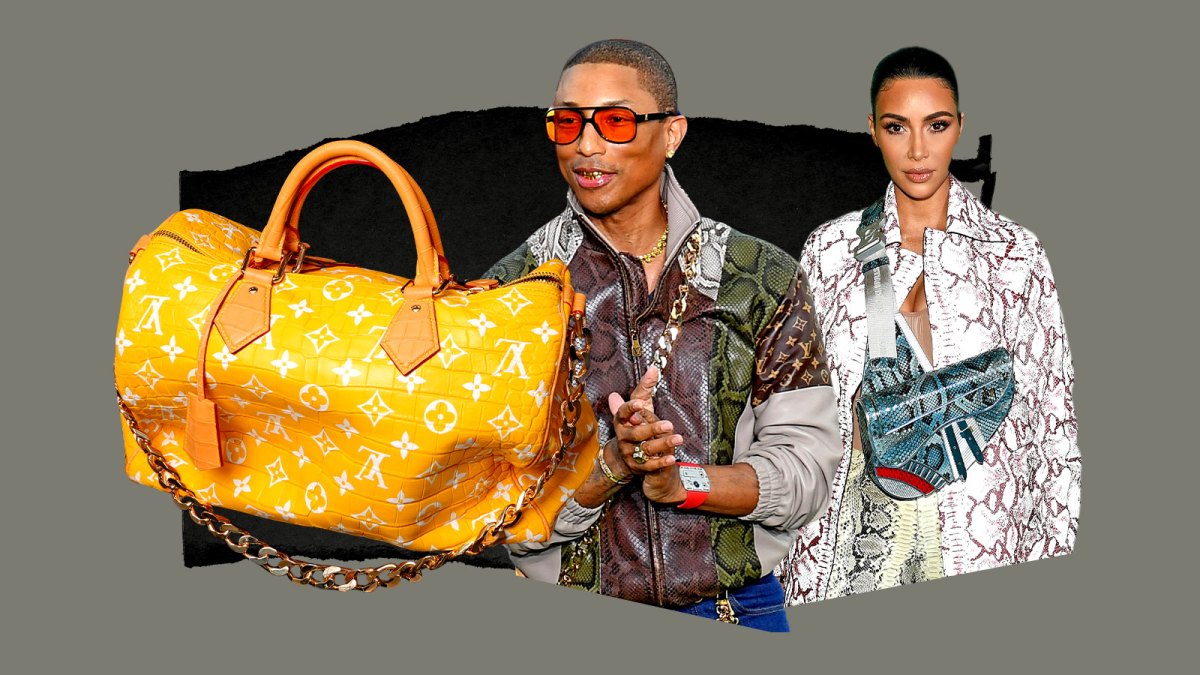
One of the world’s leading snake conservationists is under fire for his NGO’s financial links to Louis Vuitton, a luxury brand that uses python skin for its handbags.
Dr Daniel Natusch, an Australian snake expert, chairs the Snake Specialist Group of the International Union for Conservation of Nature (IUCN), an influential conservation body.
As chair, he selects the experts who determine whether pythons and other snake species are listed as threatened on the IUCN Red List — a database relied upon by governments and regulators.
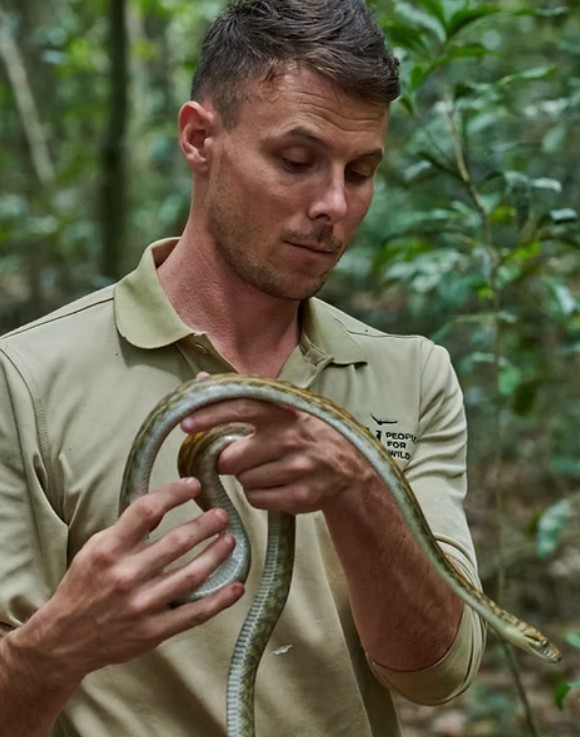
However, Natusch also runs an NGO, People for Wildlife, that has received funding from Louis Vuitton, one of the world’s largest users of snake skin in luxury handbags.
Financial filings show that the NGO recorded income of Australian $1.8 million (£895,000) last year. “The funding my NGO — People For Wildlife (PFW) — receives from Louis Vuitton is for work in Australia that is unrelated to snakes or skin trade,” he said in a statement.
He has argued that pythons should be farmed not only for their skins but also for meat, making the case that regulated trade of those products can support conservation.
• Are zoos unethical — or just great entertainment?
However, critics say that the Louis Vuitton funding raises concerns. Emma Hakansson, the founder and director of Collective Fashion Justice, a campaign group, said: “If you chair an IUCN Specialist Group charged with protecting an animal species you should not be allowed to work in, or have financial ties to, industries that profit from the slaughter of those same animals. Full stop … I see no world in which that is not a conflict of interests.”
The fashion industry makes large profits from the sale of reptile skins, particularly those from crocodiles and snakes. Louis Vuitton’s products currently include a clutch box handbag designed by Pharrell Williams, the record producer, and made from iridescent python skin.
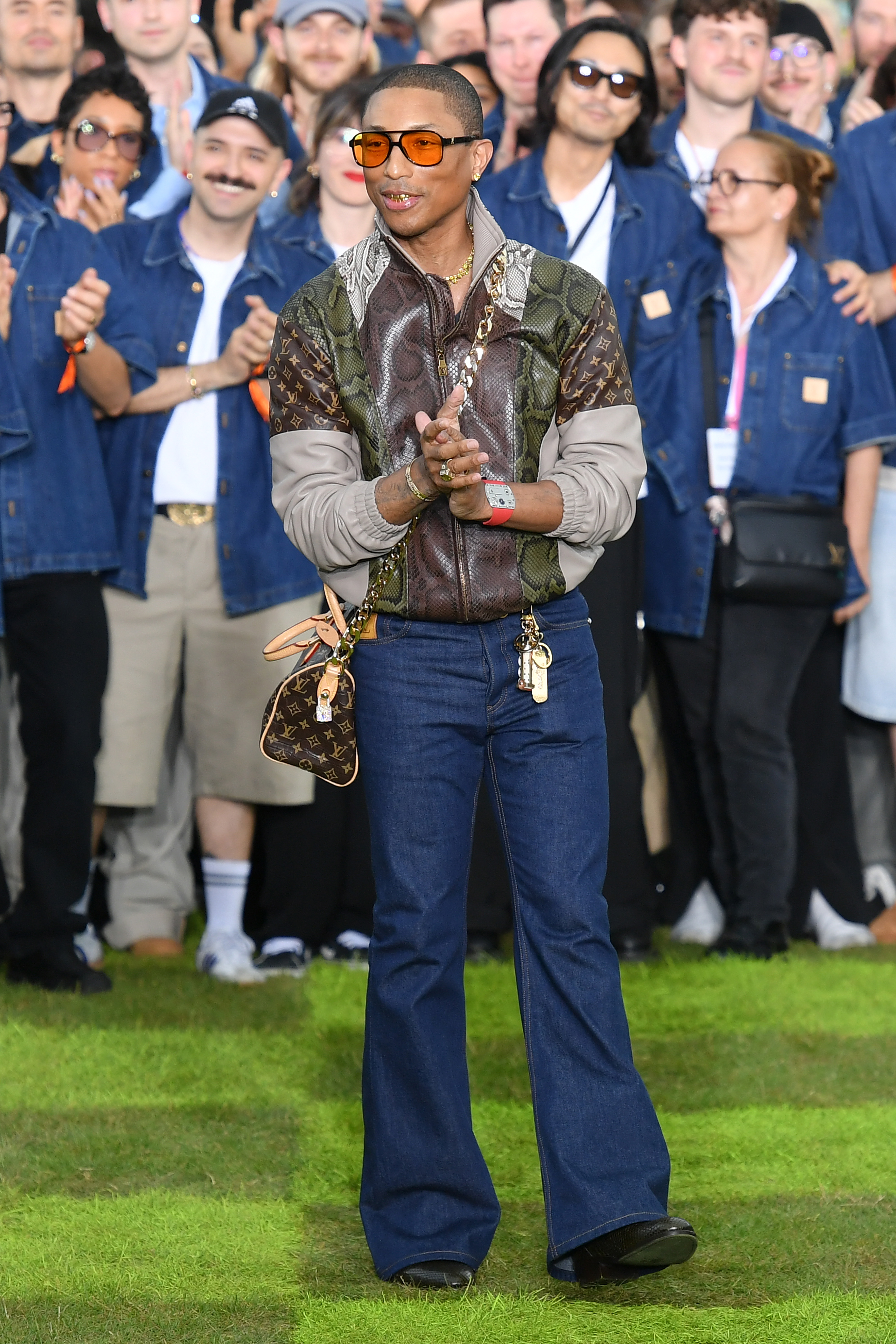
Pharrell Williams walks the runway during the Louis Vuitton Menswear Spring/Summer 2025 show in Paris in 2024
DOMINIQUE CHARRIAU/WIREIMAGE/GETTY IMAGES
The fashion house’s spring-summer catalogue last year featured a python leather tracksuit top, which cost €11,000. Other LVMH brands — which include Dior, Celine and Fendi — have also used reptile skins.
Under IUCN rules, specialist group chairs such as Natusch have sole responsibility for appointing new members. Critics say this concentrates power over the direction and balance of scientific advice in the hands of a small number of people.
Hakansson said: “Snakes and crocodiles continue to suffer horrifically in the name of luxury fashion, taken from their natural habitat and caged in appalling conditions before being killed well before their natural lifespan ends. This trade degrades the inherent value of healthy wildlife by transforming animals into mere commodities.”
• For autumn, the Devil’s in snakeskin boots
People for Wildlife’s accounts for last year show A$247,000 (£125,000) paid out in “consultancy fees” and a further A$100,000 for travel and other expenses. Natusch said he did not receive money from the NGO, either in salary or expenses.
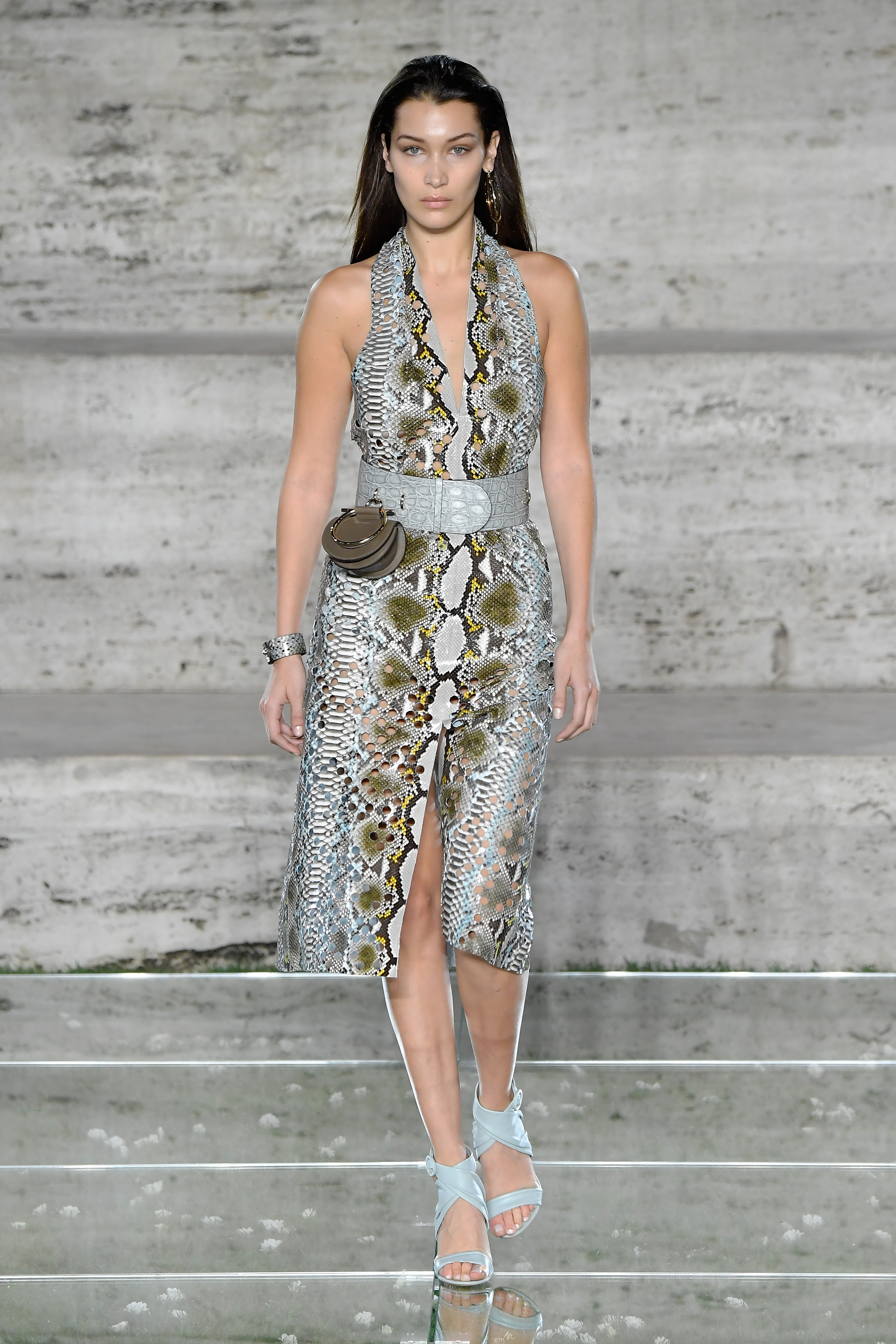
The model Bella Hadid at a Salvatore Ferragamo show
VICTOR BOYKO/GETTY
Concerns about the Snake Specialist Group’s stance on trade date back more than a decade. In 2013, the luxury group Kering — owner of Gucci and Saint Laurent — joined what became known as the Python Conservation Partnership. The arrangement saw Kering partner with the IUCN to study the impact of python farming and harvesting snakes from the wild. Natusch had not taken up his position on the IUCN snake group at that time.
Natusch has argued that his critics are themselves biased because they are ideologically opposed to trade in materials such as animal skins.
An official for IUCN said the organisation would not share forms that list conflicts of interest of its commission members as doing so would be “outside due procedure”.
• Plan to end animal testing is noble but sometimes the mouse has to die
They added: “No single individual decides whether a species is at risk of extinction under the IUCN Red List. The assessment of species for the IUCN Red List is a collaborative, multi-step process involving assessors, reviewers, Red List Authorities, and the IUCN Red List Unit. There are multiple layers of peer review and institutional oversight to ensure evidence-based outcomes.
“SSC [Species Survival Commission] Group Chairs do not have the power to solely decide a species’ Red List category or conservation status. They have no authority over final outcomes.
“Final decisions are made using the rigorous Red List assessment process which involves the best available data, independent peer review, and institutional checks.
“IUCN Commissions operate under a Code of Conduct for Commission Members, which all members must accept as a condition of joining a Commission. Our records confirm that Mr Natusch accepted and agreed to comply with this Code.”
Louis Vuitton was approached for comment.