
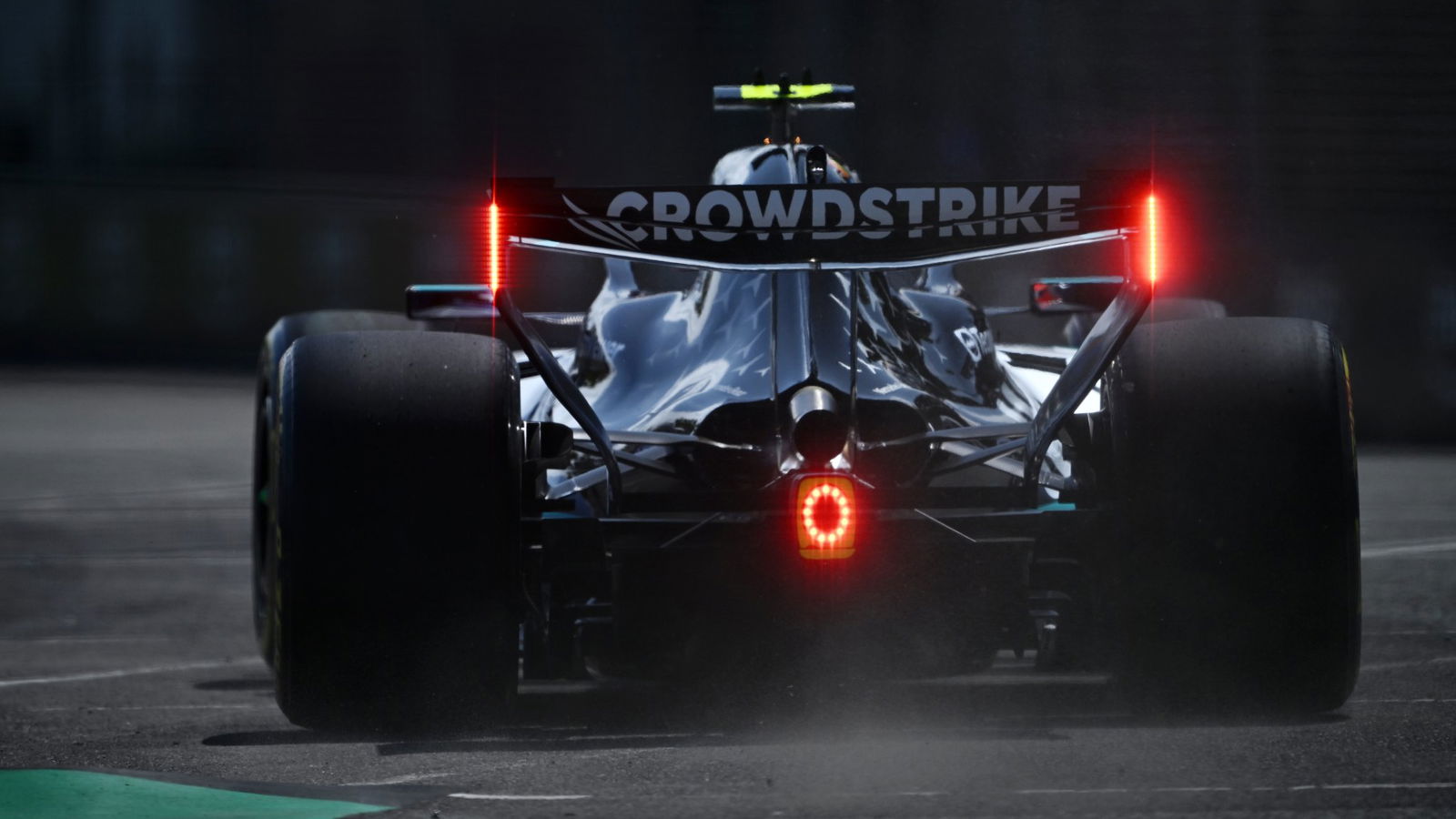
The energy harvesting and deployment of Formula 1’s new power units is threatening to make qualifying at the Australian Grand Prix one of the wildest in years.
Concerns have been expressed all winter by drivers about the energy demands of the new power units, particularly when it comes to preparing and tackling a time attack lap.
While there were no major incidents on Friday during practice with closing speeds between cars on flying laps and those harvesting, there was a close moment between Lewis Hamilton and Franco Colapinto in FP2 when the latter slowed suddenly halfway down the main straight.
Speed changes when harvesting ‘don’t always make sense’
Alex Albon, who was 15th at the end of Friday’s running after a troubled day for Williams, noted that the differences in speed between laps due to harvesting “doesn’t always make sense”.
He also warned that the worst of the problem hasn’t yet been seen.
Article continues below ADVERTISEMENT
Article continues below ADVERTISEMENT
“It’s going to be very difficult,” he said of how drivers are preparing for qualifying laps.
“So, we’re not seeing the worst of it, at the minute. It’s already very difficult.
“I think even just on our side, some laps you’re gaining and losing a lot of lap time. It doesn’t always make sense behind the wheel, but that’s just part of the learning curve.”
Cadillac’s Sergio Perez echoed Albon’s sentiments, noting that qualifying will be “crazy” because of how “complicated” the new cars are to manage.
“It’s crazy. I was trying there, and people were there on the long run,” Perez added.
Article continues below ADVERTISEMENT
Article continues below ADVERTISEMENT
“I had [Andrea Kimi] Antonelli, but I couldn’t push because I had to wait for the right amount of batter for the lap.
“It’s very complicated, these new rules, especially for qualifying.”
Friday pacesetter Oscar Piastri admits teams and drivers “don’t really know how tough” qualifying is going to be to manage.
Because of the deployment demands, Piastri explained that drivers are “launching our laps halfway down the pit straight”, which then makes it harder to judge the closing speeds of any cars ahead.
“It’s going to be tough,” he said.
Article continues below ADVERTISEMENT
Article continues below ADVERTISEMENT
“At the moment, we don’t really know how tough. Trying to do practice sessions at the moment is really difficult if you are off sequence with people.
“Most of us are launching our laps halfway down the pit straight, so trying to judge the car behind is very, very tough.
“Certainly, there are pretty major quirks that we are going to have to get used to.
“It’s going to be an interesting weekend still to go. Everyone is probably going to find a lot overnight, just with getting things in the place you want.”
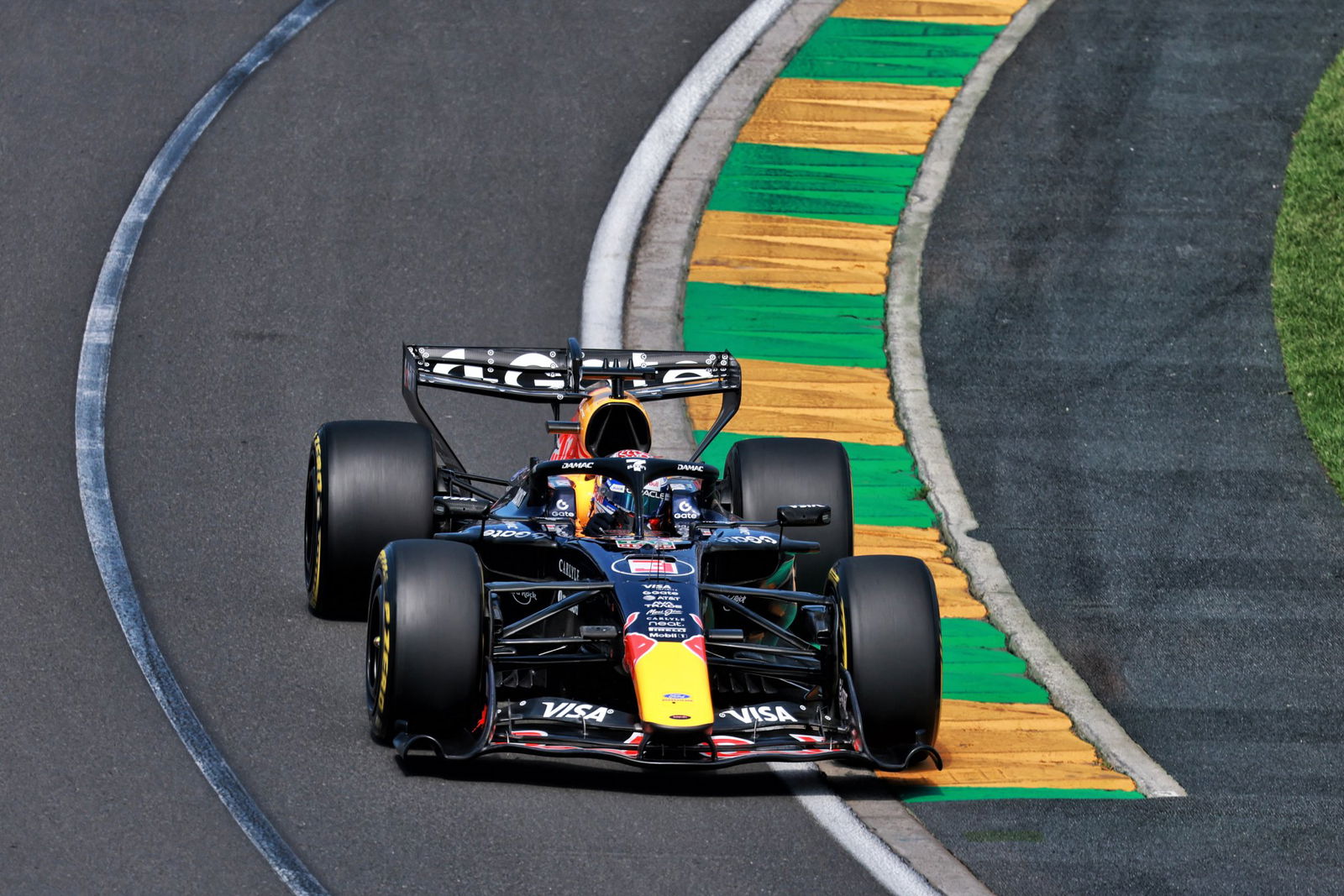
Max Verstappen, Australian GP, FP1, Red Bull
© XPB Images
Article continues below ADVERTISEMENT
Article continues below ADVERTISEMENT
Teams must control their own destinies in qualifying
Friday’s running at Albert Park saw a lot of drivers locking up and running off track, particularly at Turn 3.
Red Bull’s Isack Hadjar says the constantly shifting balance of the cars because of the deployment and harvesting is changing braking zones lap to lap.
“It’s also constantly you have to adapt your braking points, because you are never arriving at the same speed, the dynamic of the car changes as well. So, it’s very tricky,” he said when asked by Crash.net about the driving style required.
As such, qualifying is likely to be heavily disrupted by yellow flags and stoppages, but second-guessing these is something that isn’t going to prove successful.
“It’s going to be a bit chaotic,” Red Bull’s Paul Monaghan said in response to a question from Crash.
Article continues below ADVERTISEMENT
Article continues below ADVERTISEMENT
“It’s five and a bit ks around this place, we’ve got to distribute 22 cars around it.
“Just got to get through Q1, which is no easy task.
“There will be plenty of people trying to push us out, so we’ve got to do a couple of decent laps, one per driver at least, and then we’re through.
“Then it gets a little bit easier. But it’s [a case of] taking on the responsibility ourselves. We can’t wait to see what others do: control your own destiny, that’s the best way to answer that question.”
Subscribe to our F1 Newsletter