
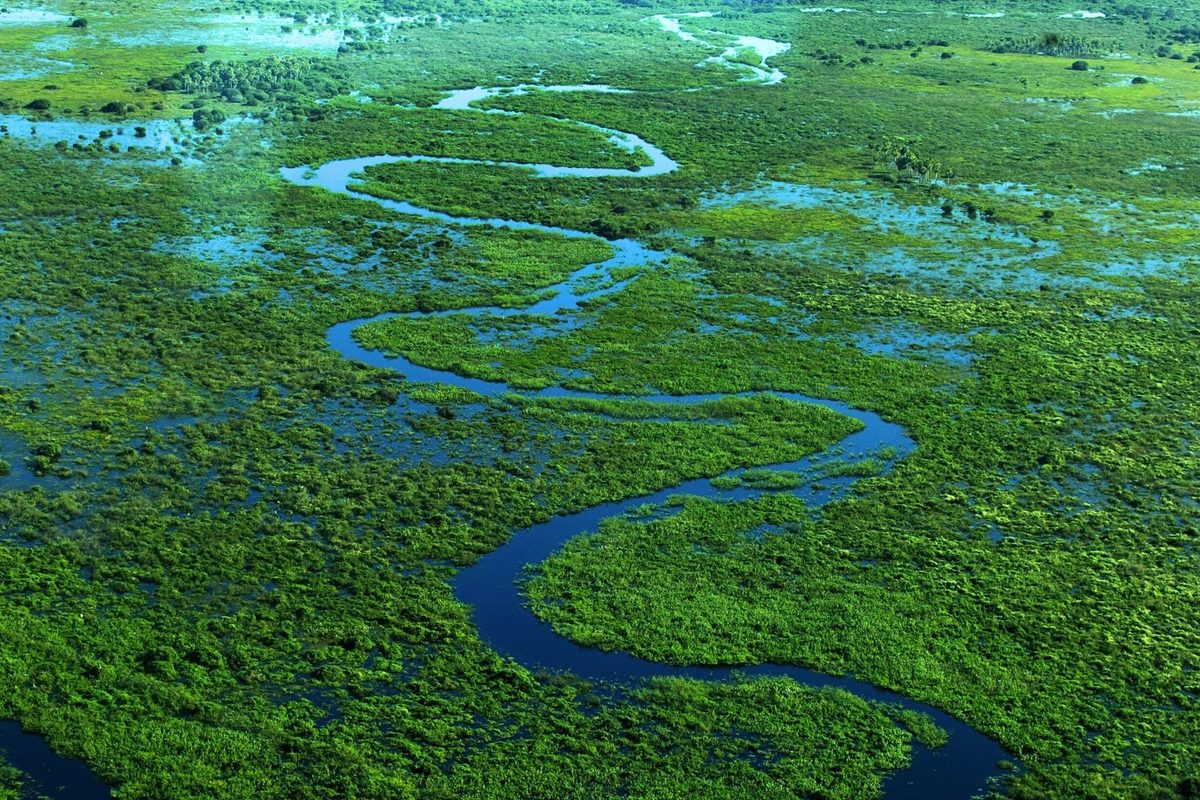
Covering around 70,000 square miles, the Pantanal is the largest tropical wetland on Earth.
The vast floodplain ecosystem is found mostly within Brazil, with its western reaches extending over the border into Paraguay and Bolivia.
During the rainy season, roughly two-thirds of the Pantanal’s floodplains become submerged, an annual event that helps support an astonishing array of life. An estimated 4,700 plant and animal species live within this watery world, including some 650 birds, 325 fish, 159 mammals, 98 reptiles and 40 amphibians.
Drone footage shows the huge scale of the Pantanal. Credit: Lucas Ninno/Getty Images
The Pantanal also hosts the highest density of jaguars on the planet, the world’s largest rodent (capybara), otter (giant otter) and flying parrot (hyacinth macaw), and approximately 10 million Yacare caimans.
Other eye-catching species include the 140cm-tall jabiru stork, the peculiar-looking South American tapir and the yellow anaconda, a semi-aquatic snake that can grow more than 4m long – that’s roughly the length of a male great white shark.
This selection of spectacular photos shows the magnificence of these wetlands and the animals that live within them.
Pantanal wildlife
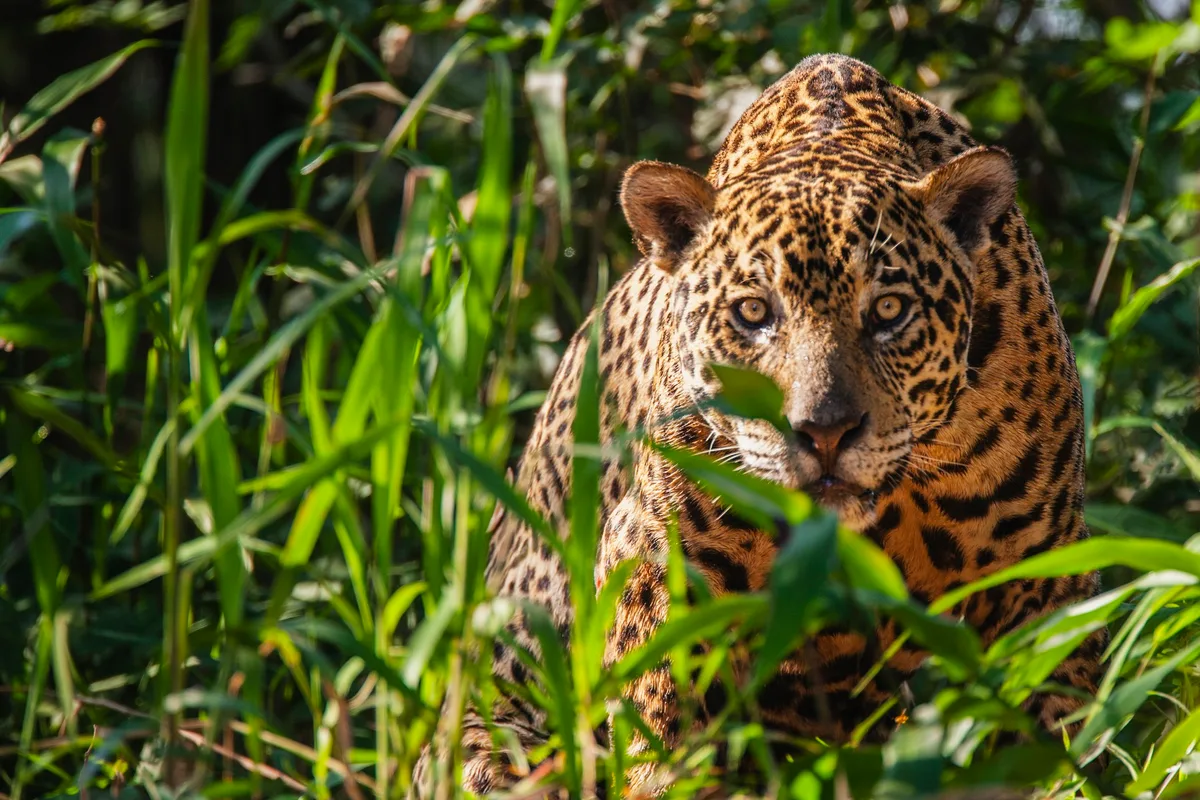 The Pantanal is home to the highest concentration of jaguars anywhere on Earth. Credit: Jami Tarris/Getty Images
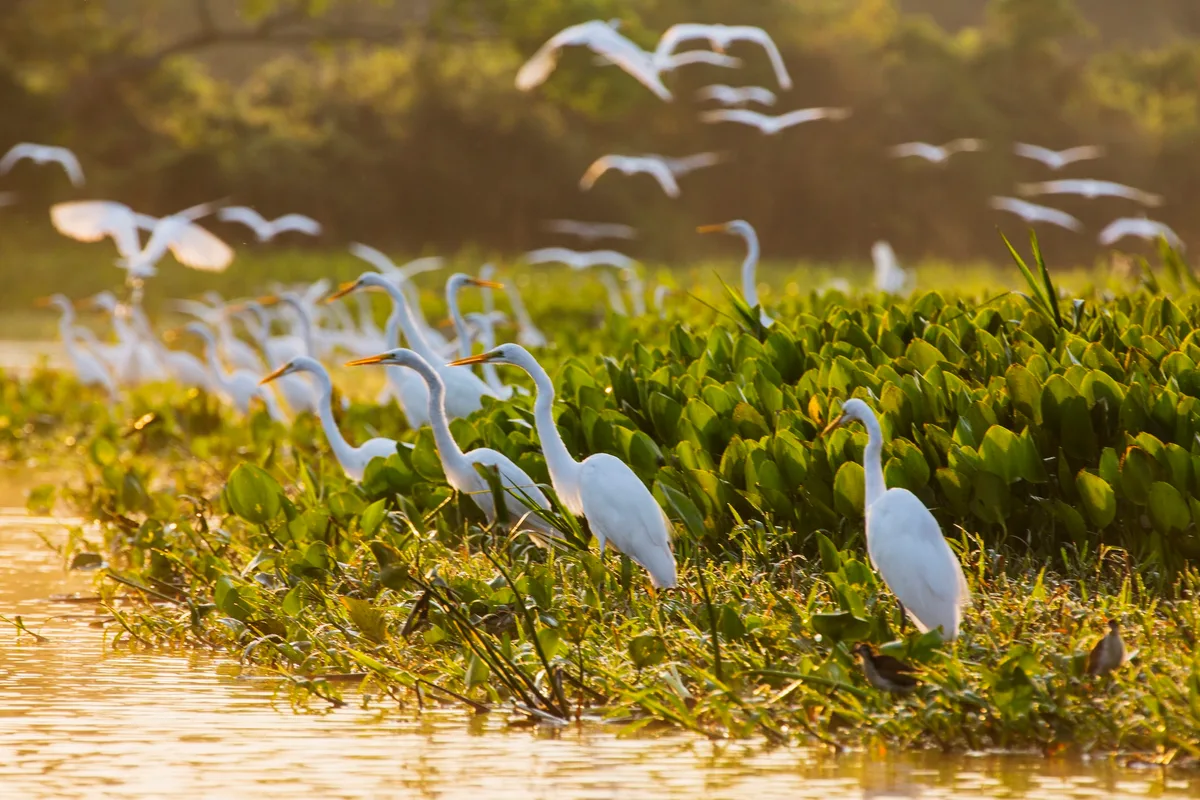 A group of great egrets on the hunt for an early morning meal. Credit: Jami Tarris/Getty Images
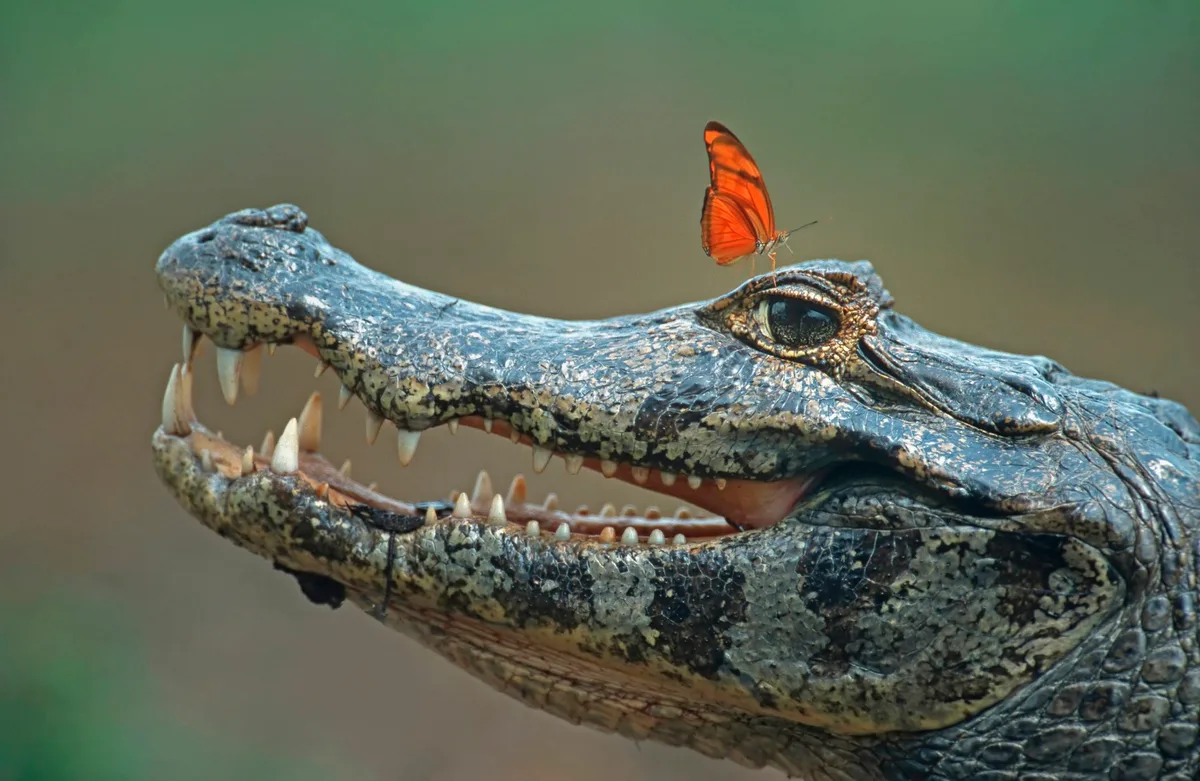 An estimated 10 million caimans live in the Pantanal. Credit: Stefan Huwiler/Getty Images
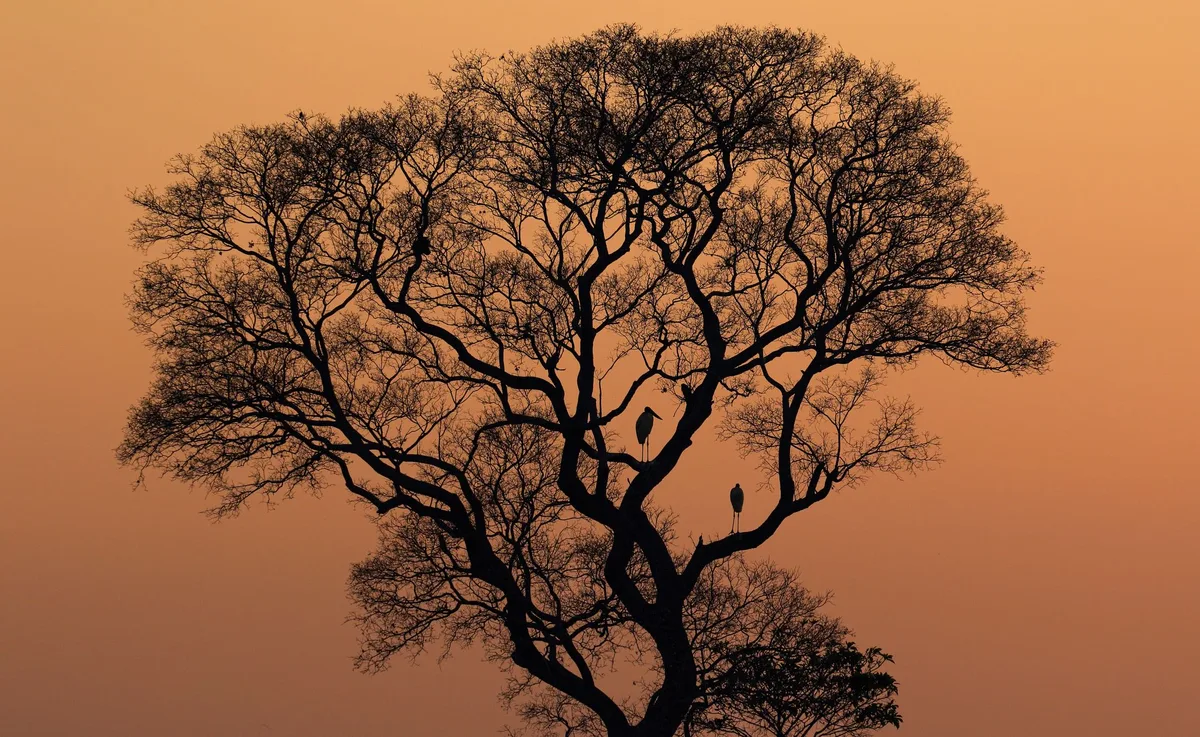 The jabiru stork is the tallest flying bird in South America. Credit: Achim Mittler, Frankfurt am Main/Getty Images
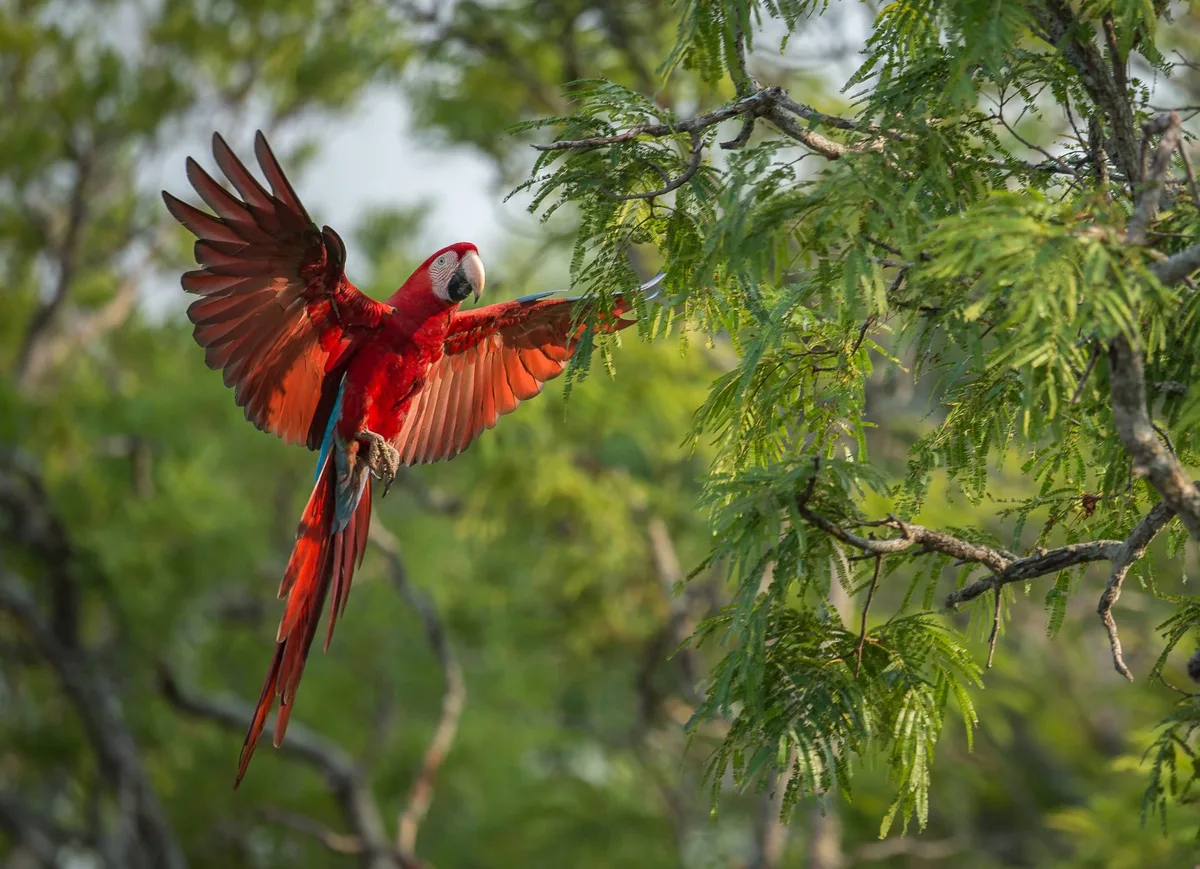 A red-and-green macaw spreads its crimson wings. Credit: Mats Brynolf/Getty Images
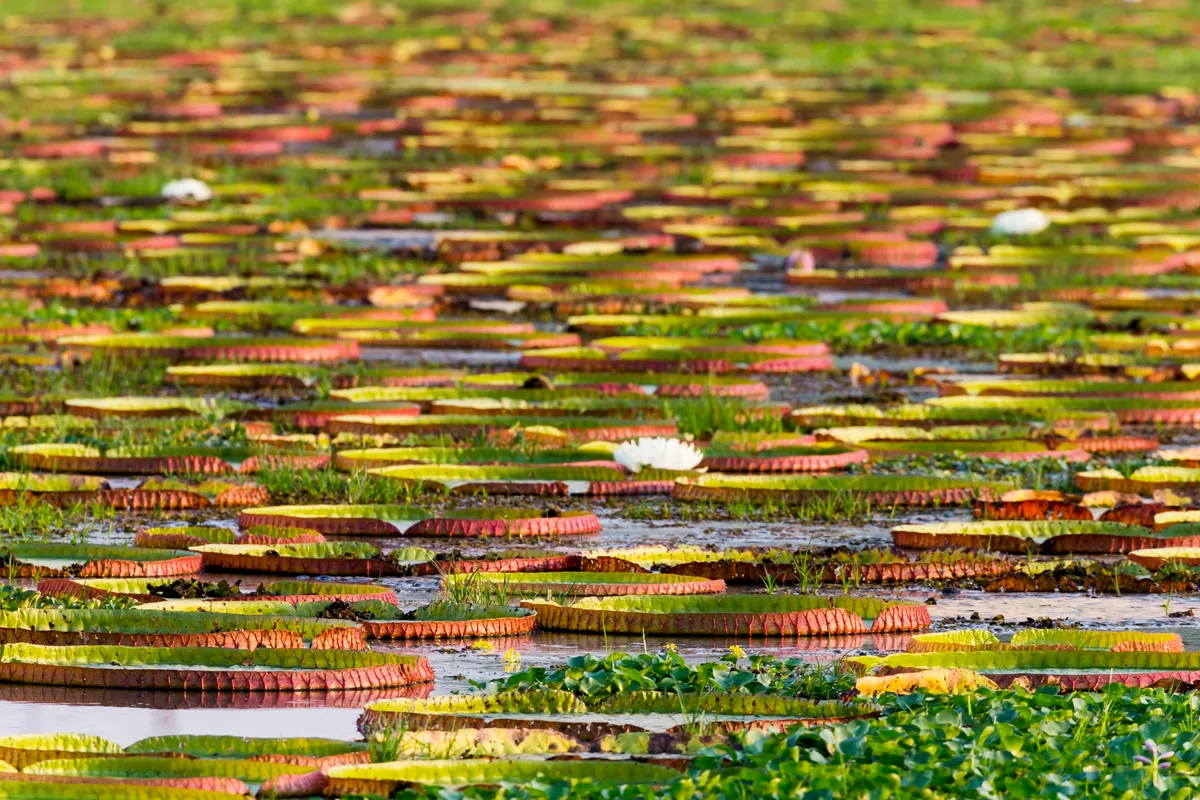 One of the Pantanal’s most striking plants is the giant water lily – the largest water lily in the world. Credit: Danita Delimont/Getty Images
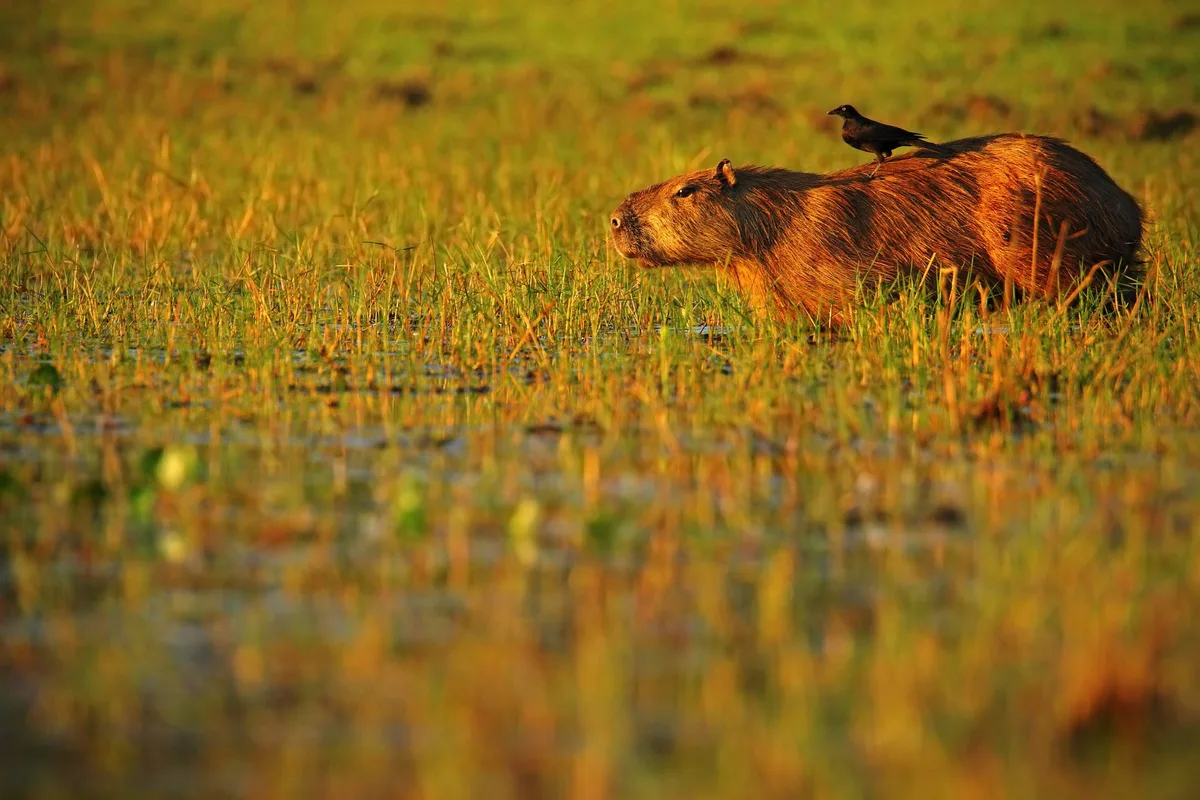 A capybara pauses in the evening sunlight. These enormous rodents weigh between 35 and 65kg. Credit: Ondrej Prosicky/Getty Images
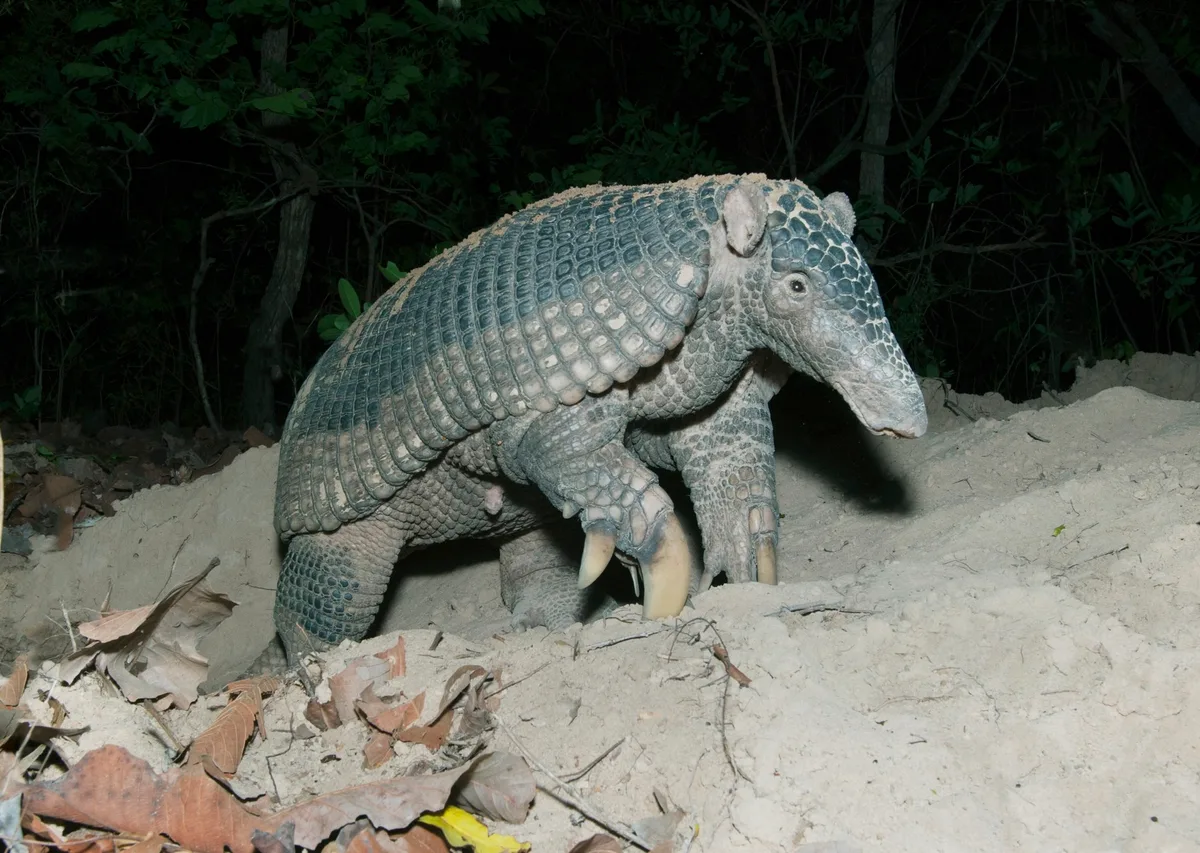 The rarely seen giant armadillo has a 15cm-long claw that it uses to raid termite mounds. Credit: Kevin Schafer/Getty Images
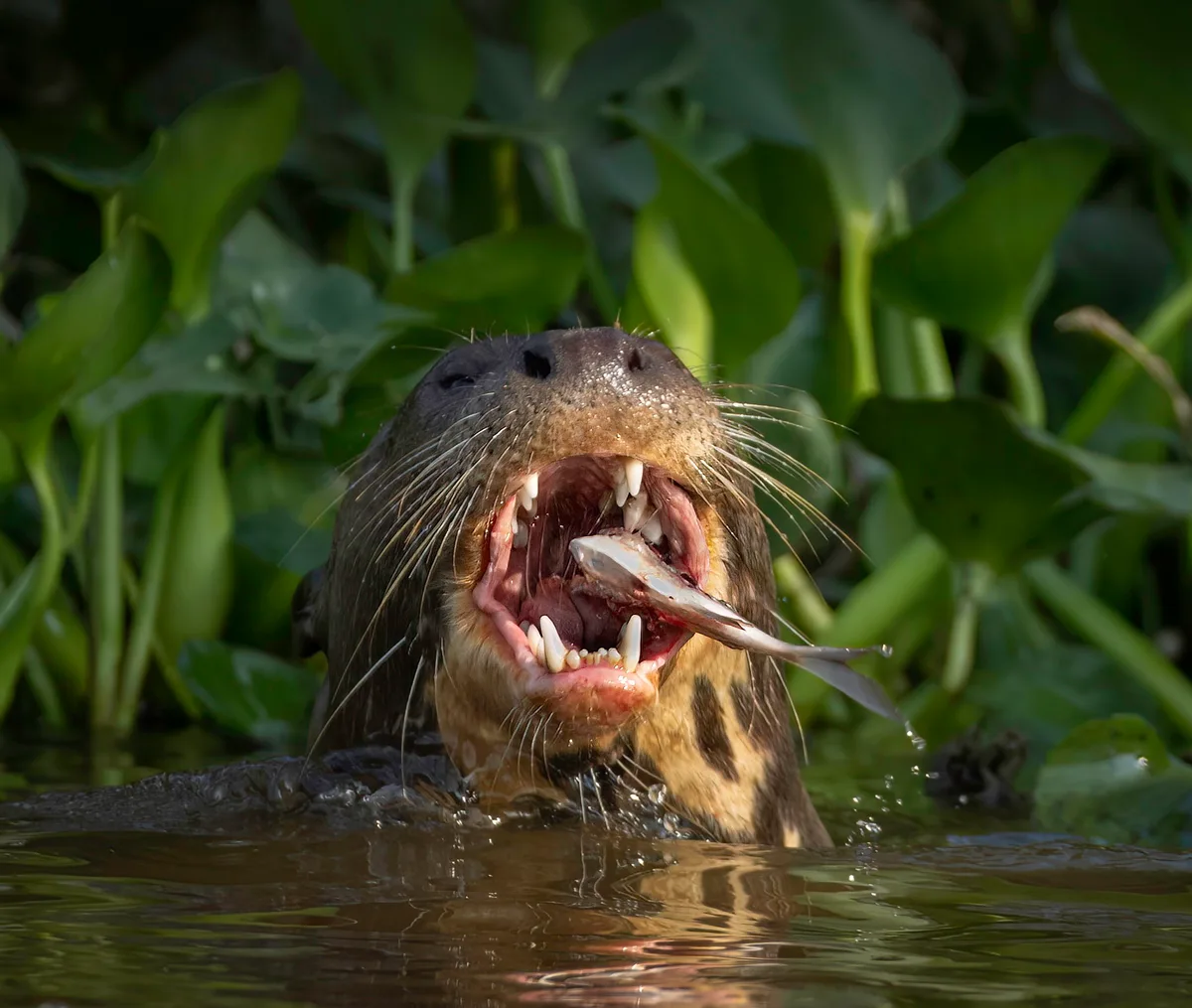 The giant otter can reach up to 1.8m in length. Credit: Steve Adams/Getty Images
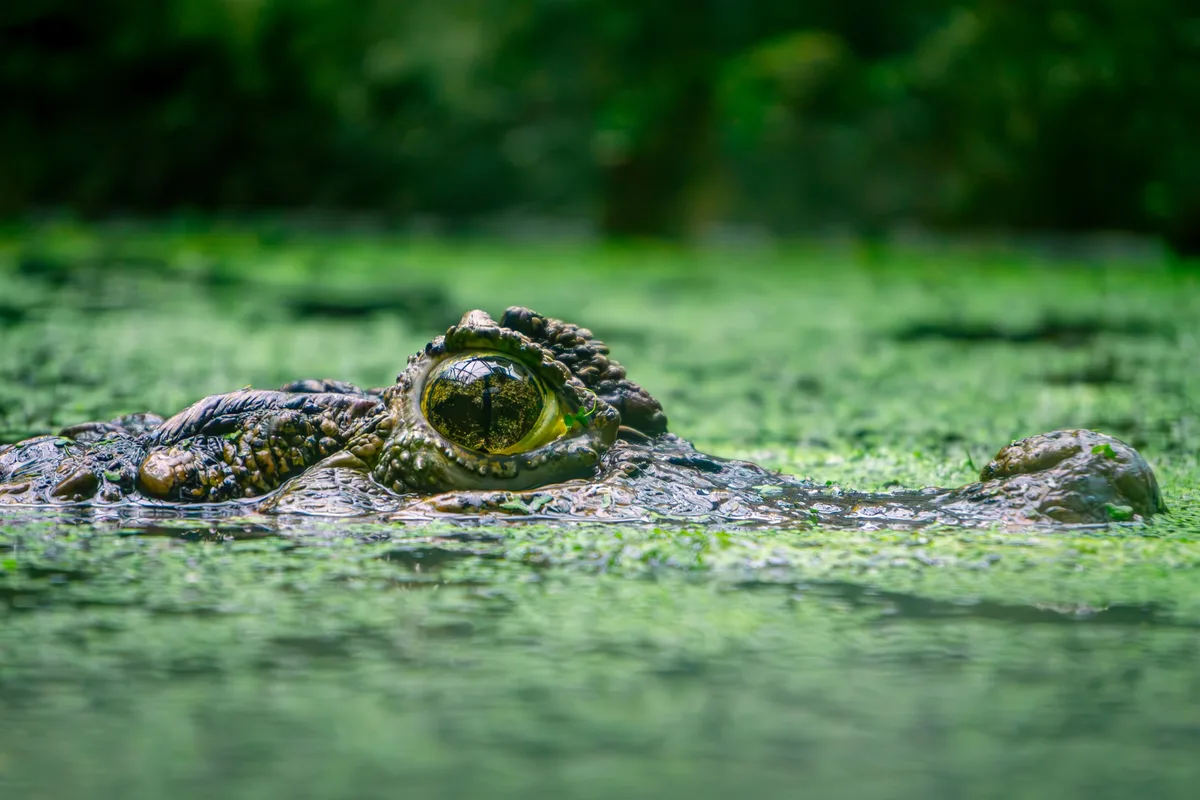 The Pantanal’s caimans feed mainly on aquatic animals and sometimes land vertebrates. Credit: Adam Bartosik/Getty Images
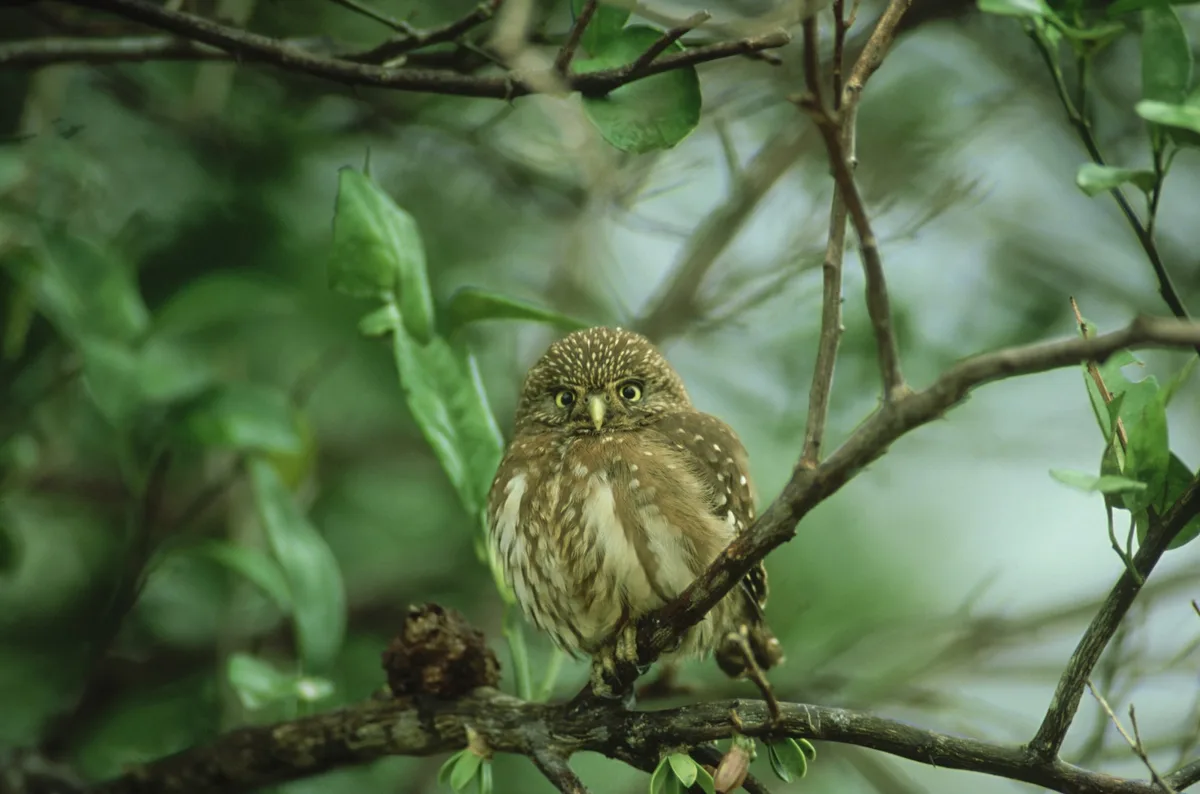 A small, round ferruginous pygmy owl takes a break in the forest canopy. Credit: Mike Powles/Getty Images
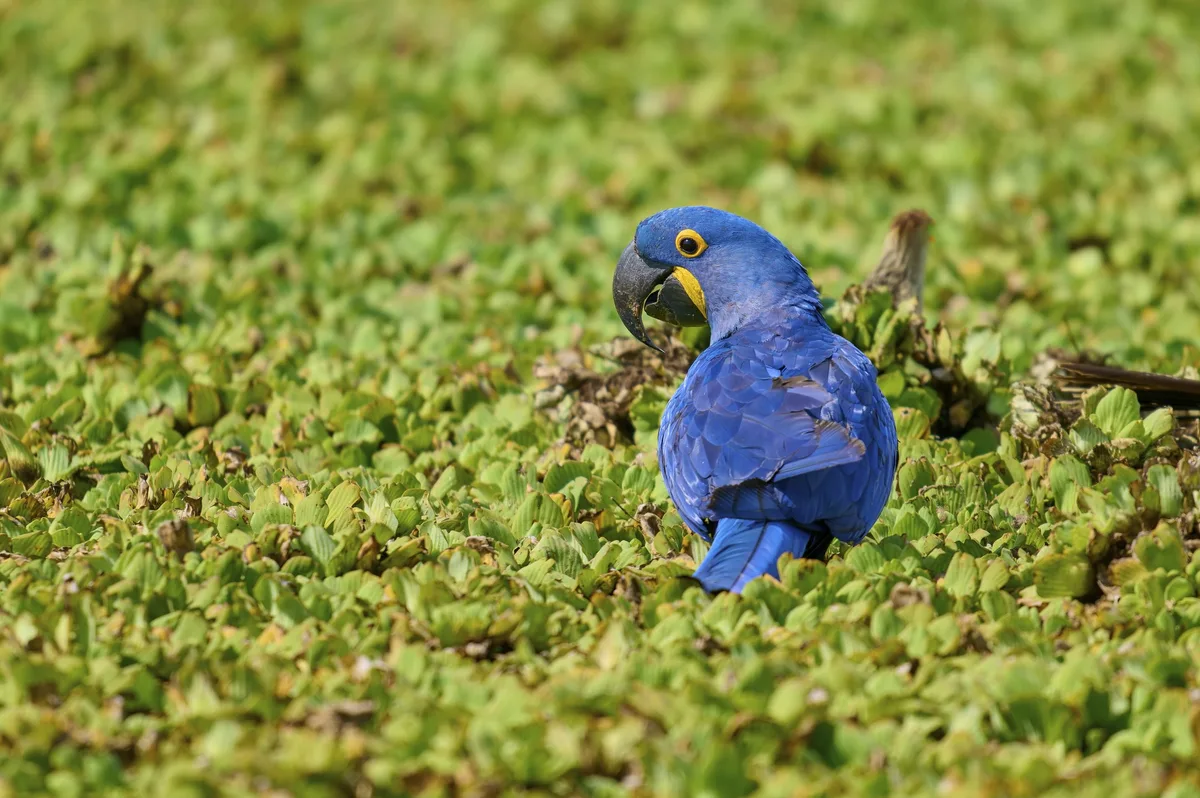 The conspicuous hyacinth macaw is the world’s largest parrot – roughly 3,000 of them live in the Pantanal. Credit: Raimund Linke/Getty Images
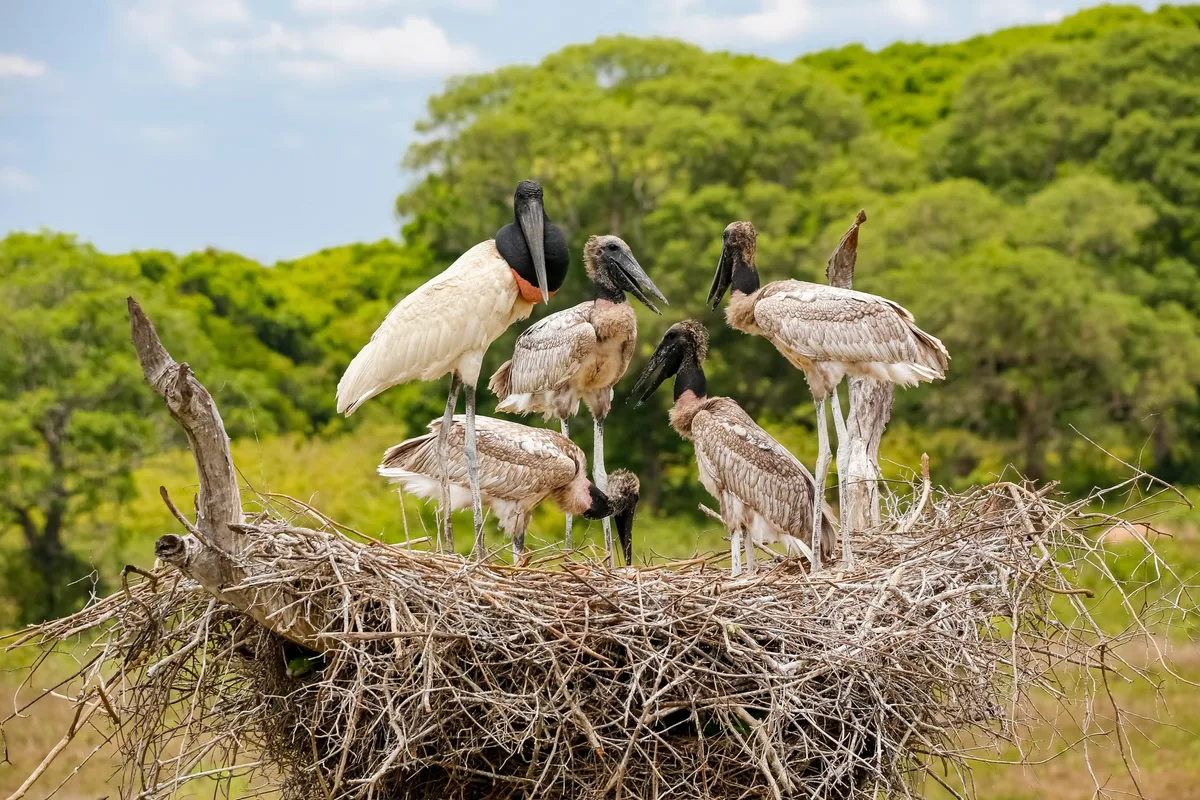 Four jabiru juveniles wait patiently for feeding time. Credit: Uwe Bergwitz/Getty Images
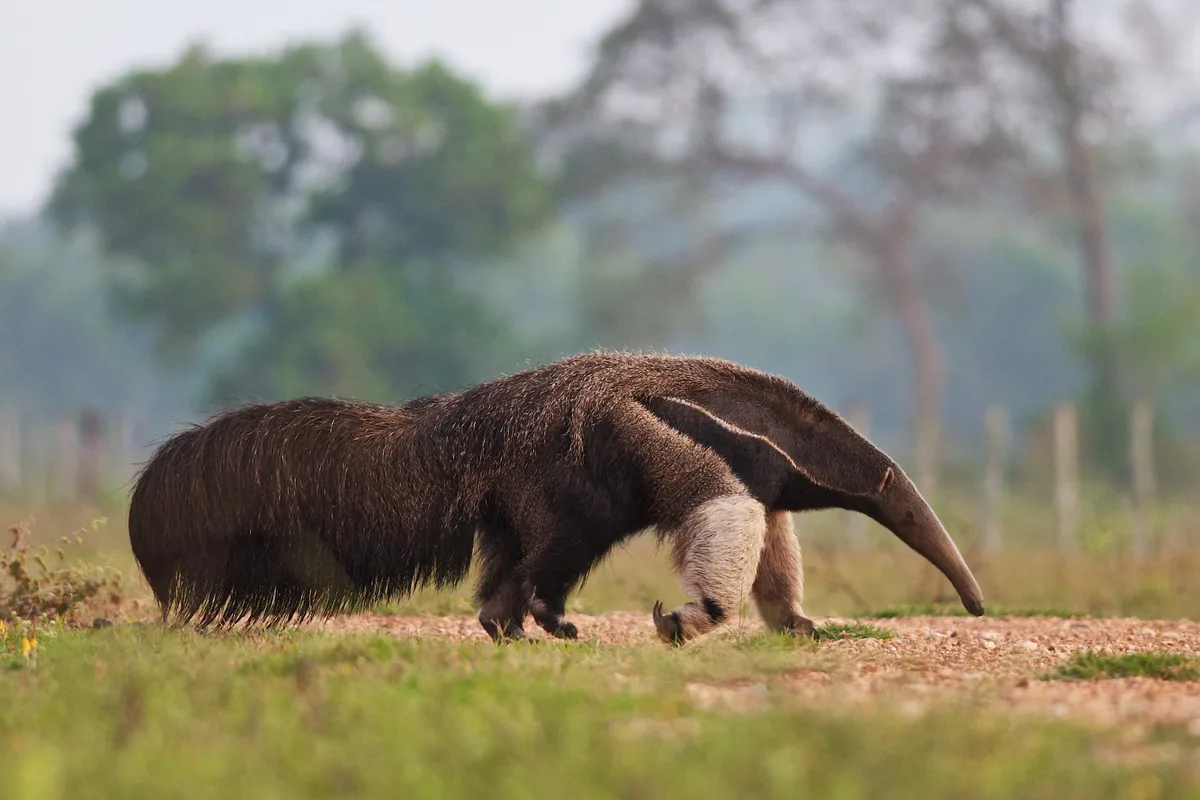 The giant anteater is the largest of the world’s four living anteater species. Credit: Peter Schoen/Getty Images
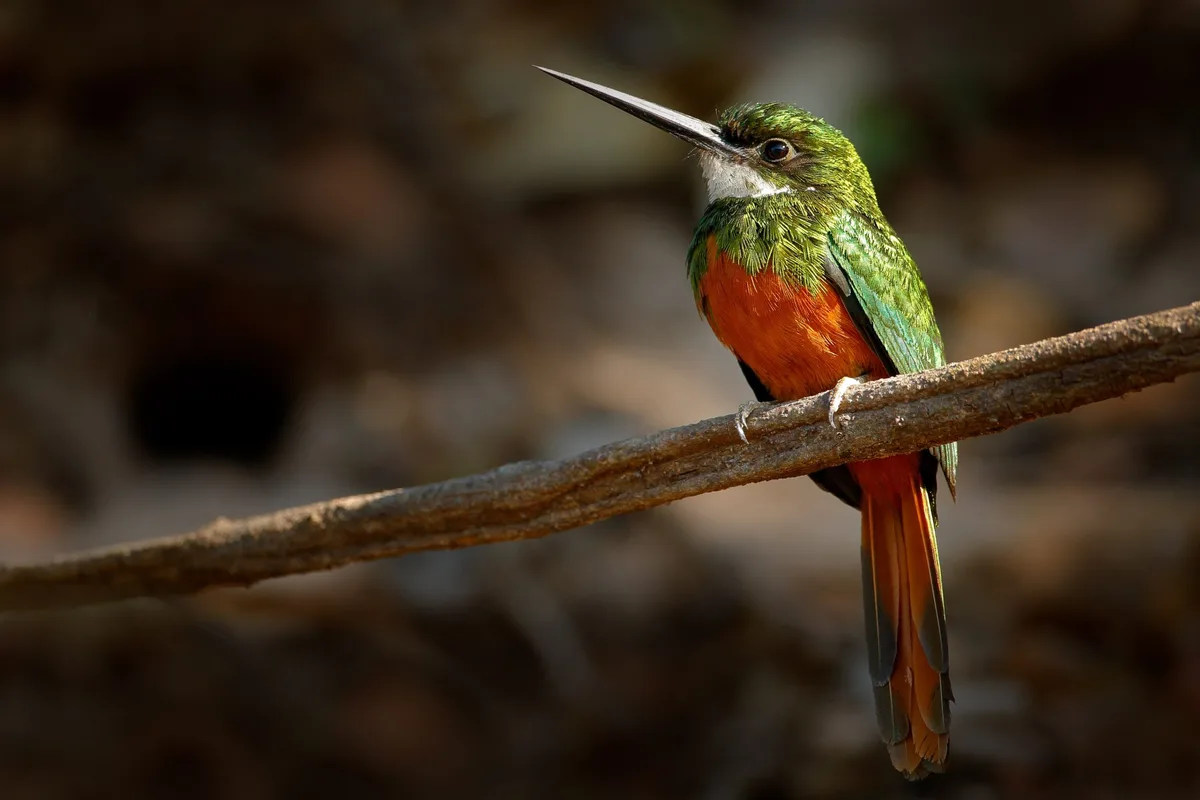 The Pantanal is home to an estimated 650 bird species, including the rufous-tailed jacamar. Credit: Ondrej Prosicky/Getty Images
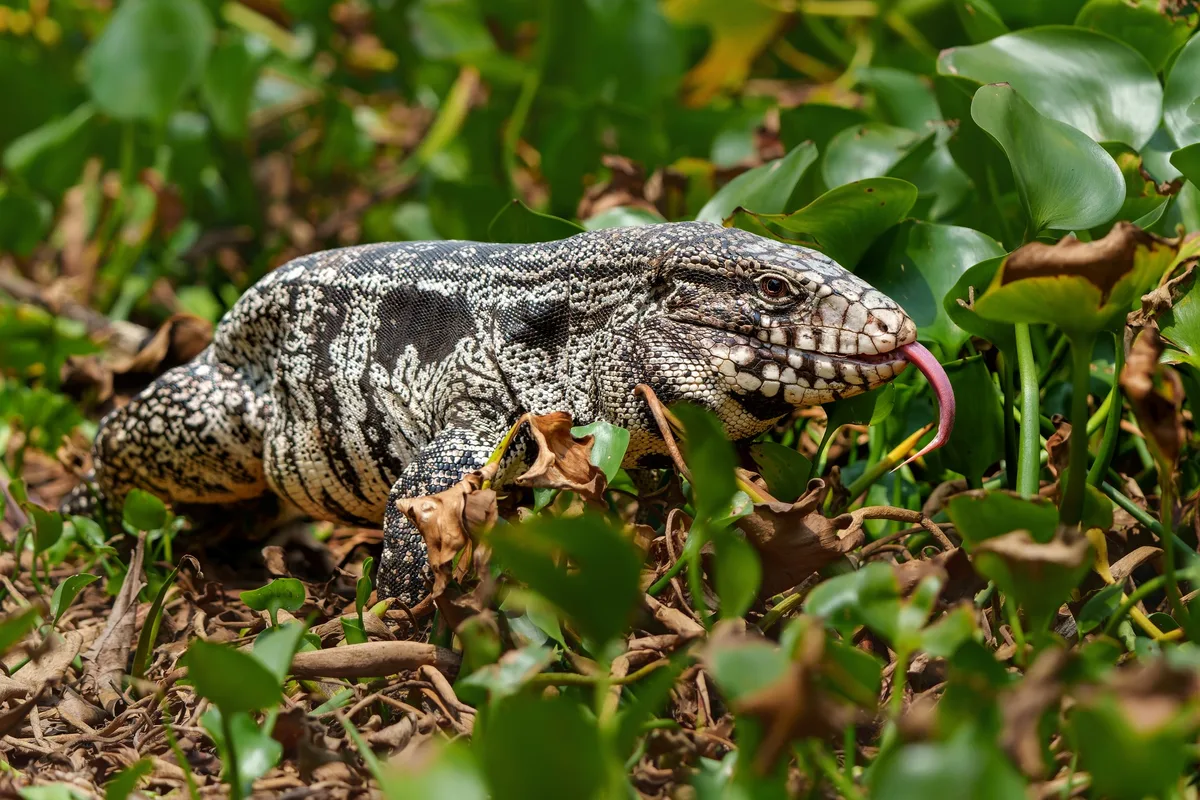 An Argentine black and white tegu on the move. Credit: Henk Bogaard/Getty Images
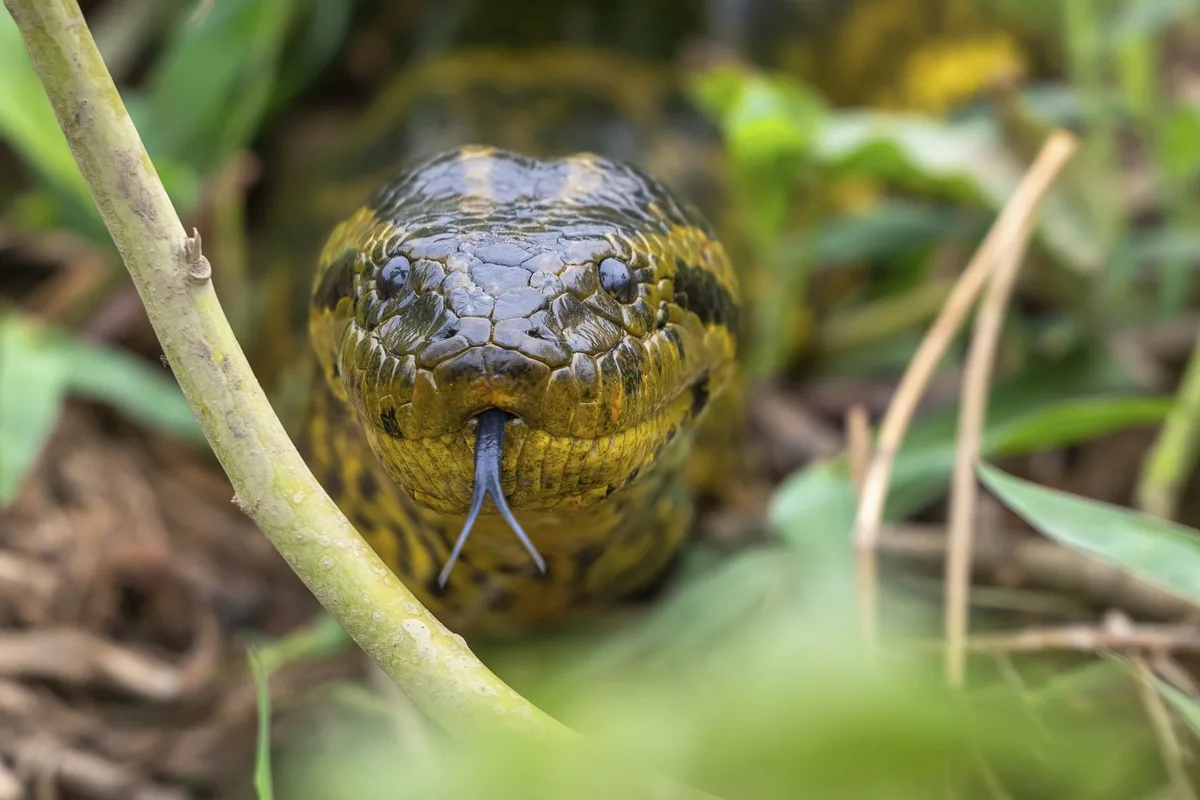 The yellow anaconda is one of the Pantanal’s largest animals. These giant reptiles can grow over 4m long, which is roughly the same length as a male great white shark. Credit: Erich Schmidt/Getty Images
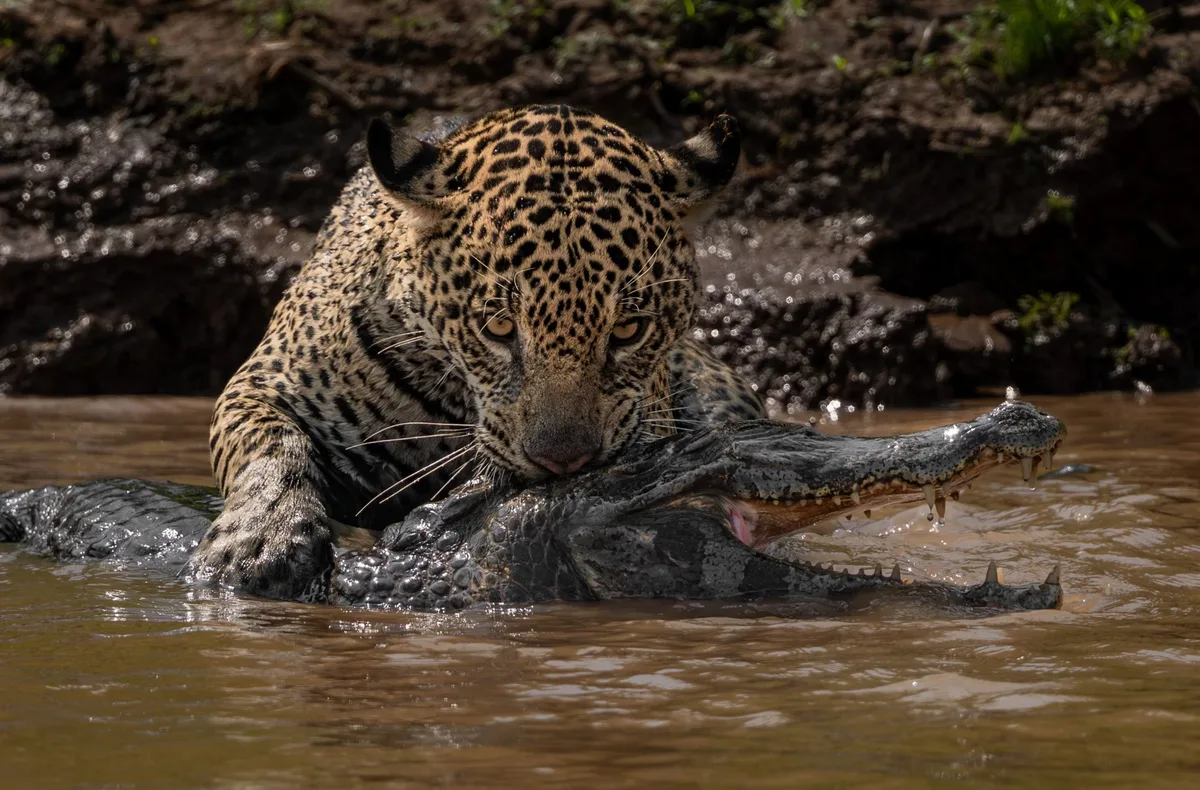 Jaguars are apex predators. Their diet includes mammals, fish and reptiles, such as caimans. Credit: Harry Collins/Getty Images
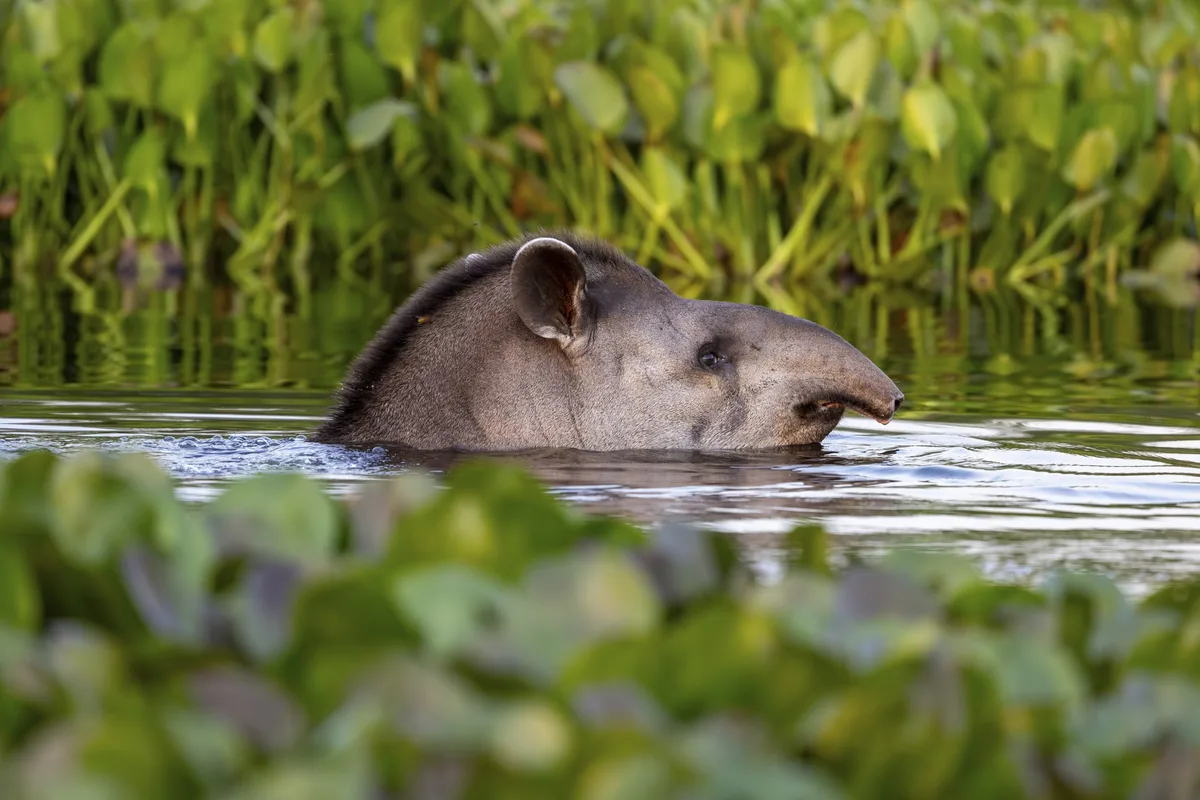 One of the Pantanal’s strangest-looking animals is the South American tapir, also known as the lowland tapir. Credit: Rainer Müller/Getty Images
Top image: Aerial view of the Pantanal, Mato Grosso, Brazil. Credit: Fernando Quevedo/Getty Images
More amazing wildlife stories from around the world