
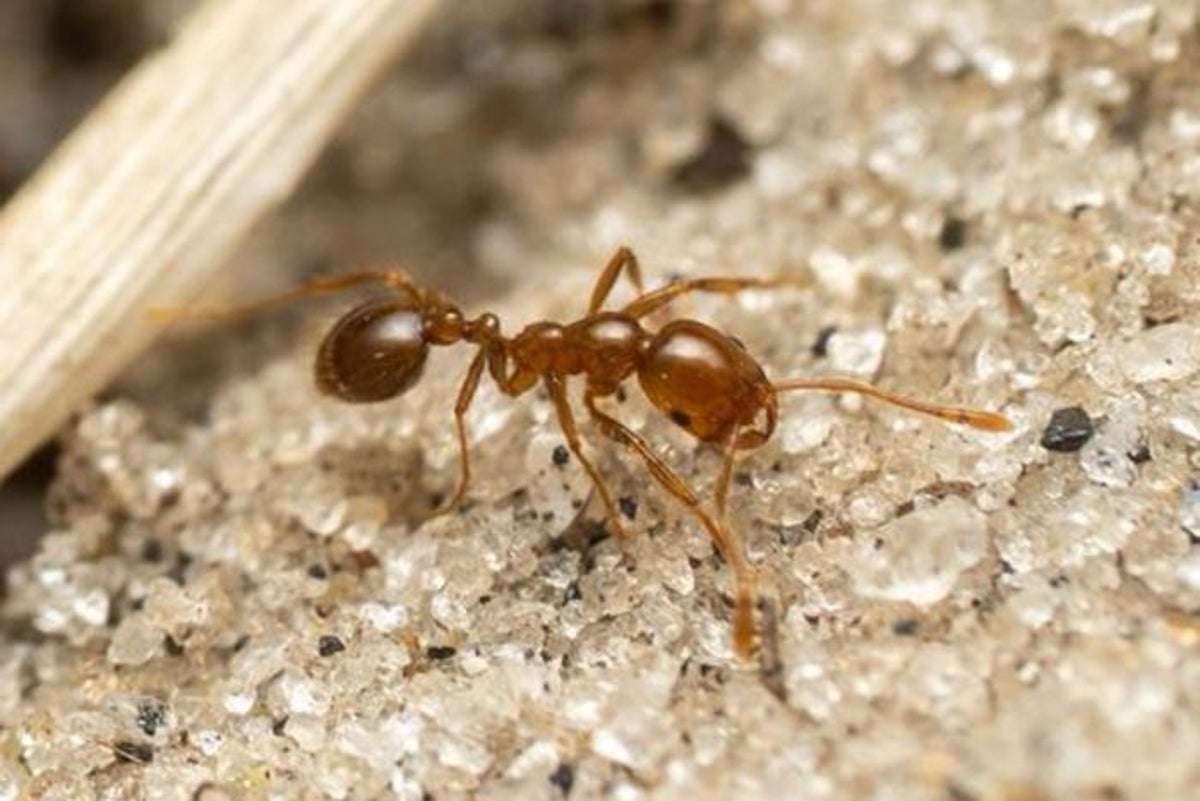
A fire ant nest has been spotted at one of Australia’s most iconic World Heritage rainforests, sparking concerns about the potential threat posed to the region’s ecology by one of the world’s worst invasive species.
The nest was found and destroyed at a forest clearing at the Lamington National Park on the Queensland Gold Coast, Australia’s Invasive Species Council said in a statement on Friday.
“Fire ants are one of the worst invasive threats to Australia’s wildlife and a failure to eradicate them in south-east Queensland will see them spread across most of the country,” the council’s director Reece Pianta said.
The ancient rainforest is world-renowned for its unique biodiversity and deep ecological history, which stretches back to the prehistoric continent of Gondwanaland.
“To find a nest inside one of the world’s most ancient and beautiful rainforests is alarming. These places should be beyond the reach of invasive species,” Mr Pianta said.
Since fire ants are not usually found in rainforests, the latest find highlights the adaptability of the species and why every part of Australia is at risk of infestation, researchers say.
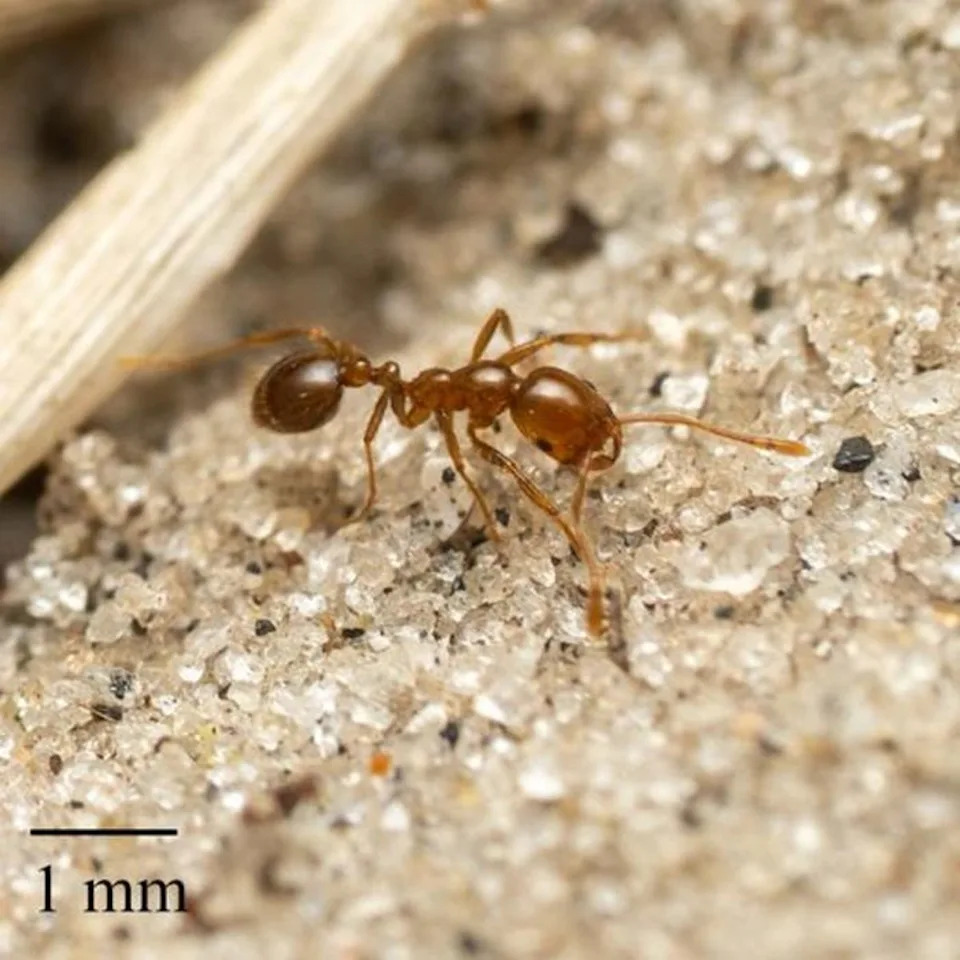
Fire ant S. invicta (Jesse Rorabaugh via Eurekalert)
If the ants spread across Australia, they could have a $2bn per year impact on the economy, researchers say.
They could devastate wildlife, cut agricultural output by up to 40 per cent and may also cause over one hundred thousand extra medical appointments each year.
Originally from South America, they were first reported in Australia in 2001, thought to have come in freight from the US.
The ants can survive harsh conditions and spread over long distances.
Previous observations reveal they can form rafts during flood events, stowaway in freight or soil or spread by Queen ant flights of around 5km per year, and up to 30km in favourable conditions.
A 2021 government study suggests that up to $300m annually would be required over the next 10 years to curb Australia’s fire ant invasion or the continent would face at least a $2bn cost per year from the ants forever.
“The programme’s rapid response meant the nest was found and destroyed before it could spread…The park is protected because the system responded fast,” the director said.
“Bureaucratic funding delays to the next phase of fire ant eradication cannot be allowed to impair the program’s ability to respond quickly, or we will see more national treasures like this impacted,” he said.