
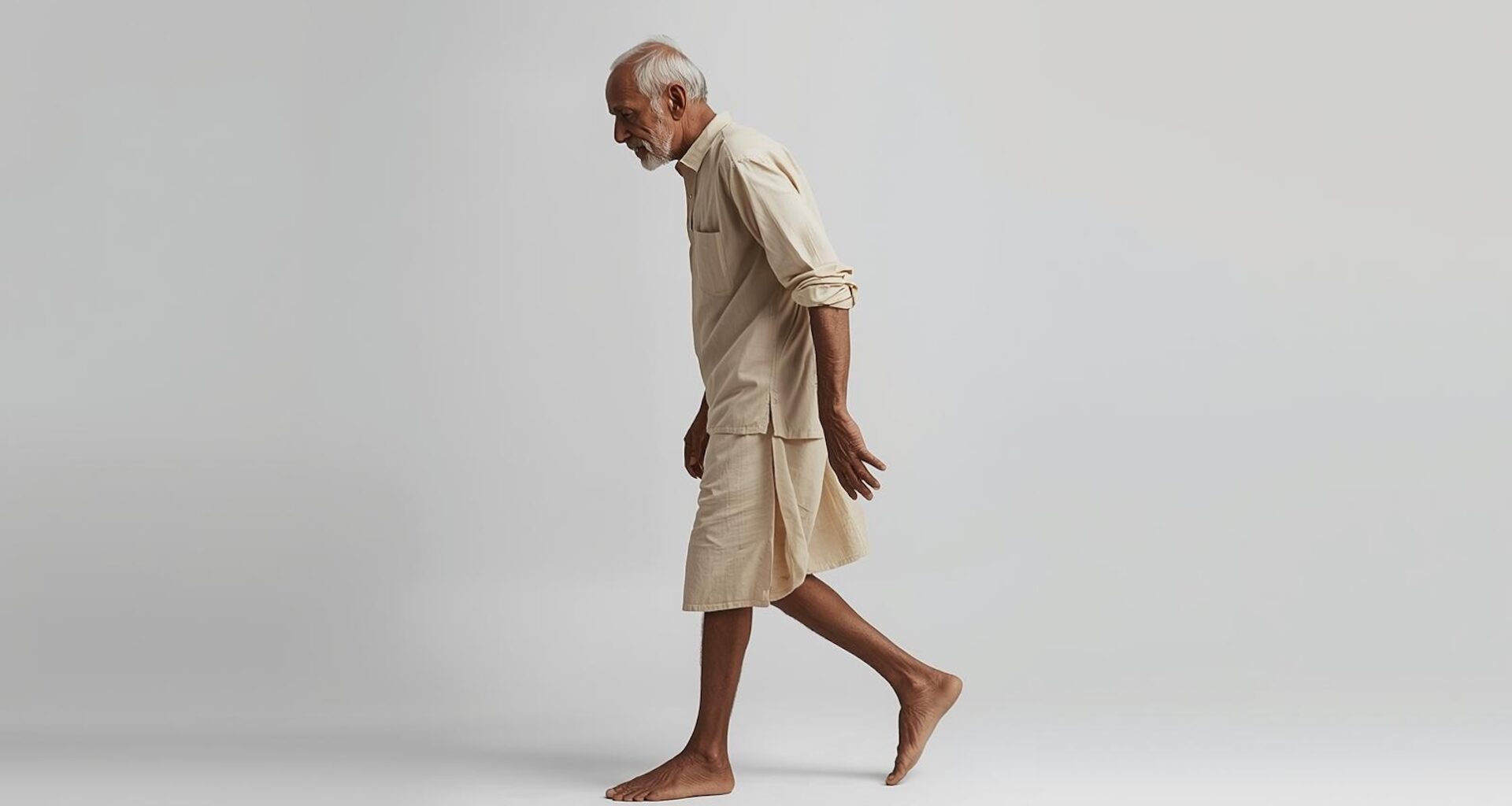

Osteoarthritis is the commonest form of arthritis. It affects the whole joint including bone, cartilage, ligaments and muscles, but especially important is the loss of joint cartilage, which provides a protective cushion between bones and allows a joint to move smoothly.
Osteoarthritis may affect any joint but occurs most often in the knees, hips, finger joints and big toe, and it can develop at any age but is more common in older people who have suffered damage to the joint caused by sporting and other injuries.
The disease tends to come on slowly, over months or even years. The most common symptoms are pain and stiffness of the joints. Osteoarthritis is more common in women. More than 20 per cent of Australians over 45 and 50 per cent of people over 80 have the condition.
At present there is no cure for osteoarthritis. Treatment is palliative and usually includes a weight loss and exercise program, pain management and non-steroidal anti-inflammatory drugs (NSAIDs) such as paracetamol.
If these treatments fail to manage arthritis symptoms the last resort is joint replacement surgery.
However, scientists at Stanford University Medicine (USA) are researching a treatment that could reverse cartilage loss in ageing and injured joints.
The experimental therapy restored healthy, shock-absorbing cartilage in old mice and young mice with injured joints, dramatically improving movement and joint function.
A protein, 15-hydroxy prostaglandin dehydrogenase (15-PGDH) is linked to ageing. It interferes with systems that repair tissues and reduce inflammation. As mice and humans age 15-PGDH becomes more abundant. Old mice have twice as much 15-PGDH in their joints as young mice.
That led scientists to consider whether a drug that blocks 15-PGDH might halt osteoarthritis.
In tests on old mice, knee cartilage that had previously worn down, thickened following treatment with a 15-PGDH blocker. In similar tests on young, injured mice, the inhibitor offered protection against injury-induced osteoarthritis. Chondrocytes (cells in the joint that make cartilage) were transformed into a healthier, more active state.
“This is a new way of regenerating adult tissue, and it has significant clinical promise for treating arthritis due to ageing or injury,” says microbiologist Professor Helen Blau.
But mice aren’t human, so the same experiment was also tried on human tissue samples taken from people having knee replacement surgery. Again, there were clear signs of regeneration, with the cartilage getting stiffer and showing fewer signs of inflammation.
“The mechanism is quite striking and really shifted our perspective about how tissue regeneration can occur,” said professor of orthopaedic surgery Nidhi Bhutani. “It’s clear that a large pool of already existing cells in cartilage are changing their patterns of gene expression.
“By targeting these cells for regeneration, we may have an opportunity to have a bigger overall impact clinically.”
The next steps will include a clinical trial with human volunteers with osteoarthritis to assess safety. A previous trial of a 15-PGDH blocker to combat muscle weakness didn’t raise any red flags in terms of health and safety, which should help the progress of trials for similar drugs.
Next will be a double-blind clinical trial in which half the volunteers will have the 15-PGDH blocking treatment and the rest a placebo. Neither the volunteers nor the trial scientist will know who had what treatment until the results are available.
“We are very excited about this potential breakthrough,” says Professor Blau. “Imagine regrowing existing cartilage and avoiding joint replacement.”
If successful, a treatment for osteoarthritis without surgery should become available in a few years.
The research was reported in the journal Science in November 2025.