
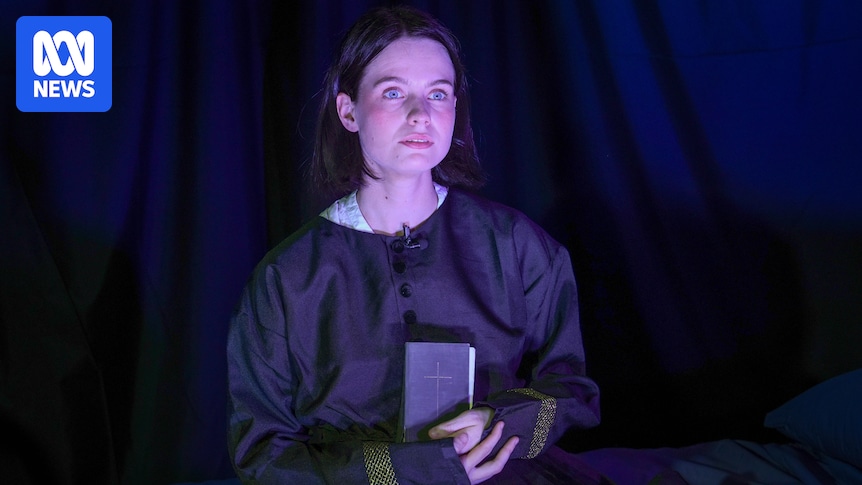
More than 150 years ago, Elizabeth Woolcock sat alone in a cell at the Adelaide Gaol awaiting her execution.
Convicted of murdering her husband by poisoning him with mercury, the 25-year-old would become the only woman ever to be hanged in South Australia.
For Leeza Peters, who has spent 40 years researching and writing about the story, it is a haunting moment.
“That feeling of being alone, sitting in a jail cell and how lonely it felt and how cold and isolating it is,” Ms Peters said.
“The emotion that she must have gone through… how could it happen?”
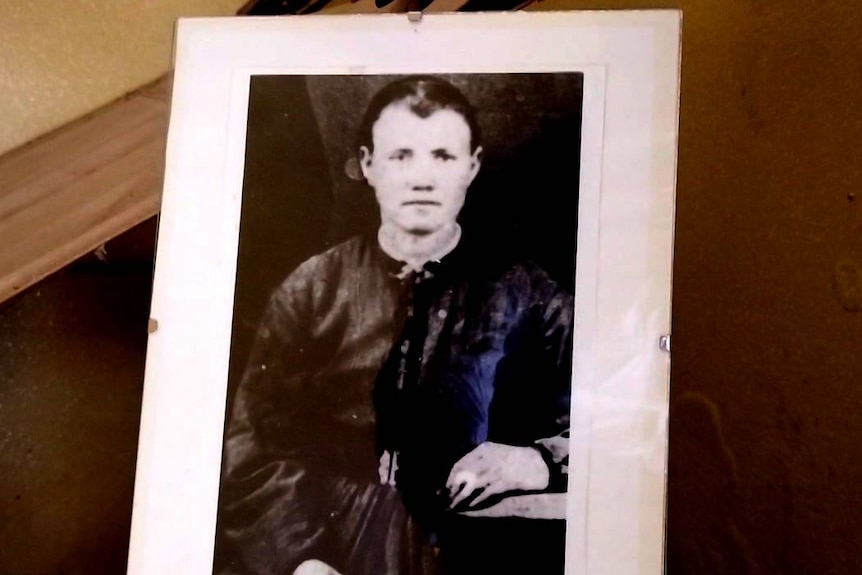
Elizabeth Woolcock is believed to be the only woman executed in South Australia. (ABC News)
The circumstances which led to Woolcock’s execution have been questioned since her death in December 1873.
Ms Peters, along with a group of legal experts, believe she was sent to the gallows an innocent woman and are making a final attempt for a posthumous pardon.
The tragic life of Elizabeth Woolcock
Born in 1848 in Burra, Woolcock’s life was characterised by tragedy and hardship.
Ms Peters’ inherited an interest in the story from her father Allan Peters, who researched and published two books on the case.
According to their research, Woolcock was abandoned by her mother at a young age before moving with the father to the Victorian goldfields in Ballarat.
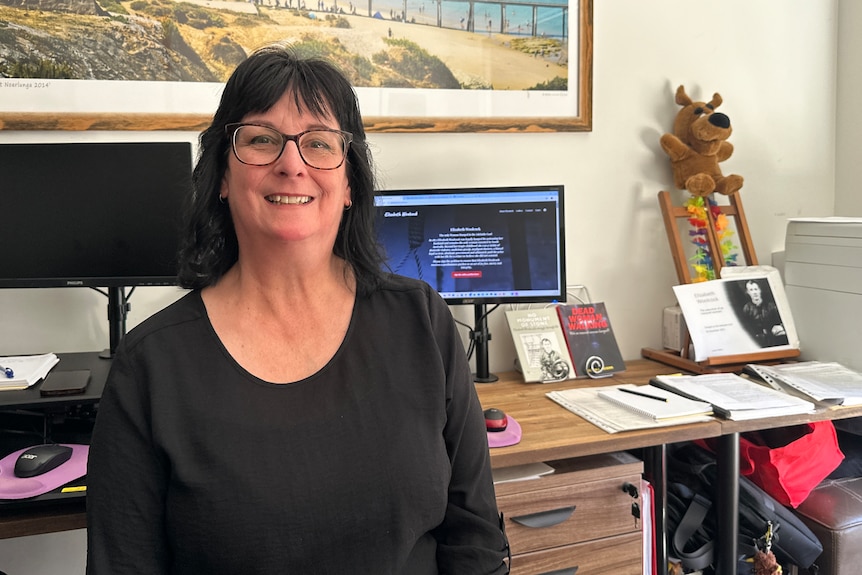
Leeza Peters has continued her father Allan Peters’ interest in Elizabeth Woolcock’s case. (ABC News: Rachael Merritt)
Ms Peters said Woolcock was seven years old when she was abused and raped by a miner, leading to a dependence on opioids.
She reunited with her mother when she was 17 years old and moved to Moonta in South Australia, where she married Thomas Woolcock.
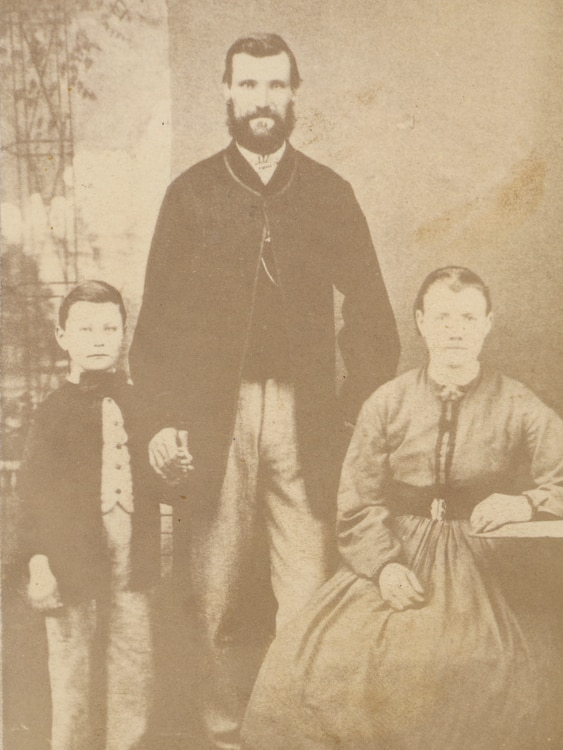
Elizabeth Woolcock (right) with her husband Thomas Woolcock and his son, believed to be taken in 1865. (Supplied: State Library of South Australia)
“After that time, she found out what sort of a person he was,” Ms Peters said.
“He used to drink and gamble and used to become quite abusive, so she tried to leave him several times.
“She couldn’t run away; she actually tried to kill herself several times but couldn’t succeed.”
Mr Woolcock became ill and was treated by multiple doctors, one of which Ms Peters said prescribed him tablets which contained mercury.
After he died weeks later, Elizabeth Woolcock became a suspect and was sent to trial in the Supreme Court in Adelaide, where a jury deliberated for less than 30 minutes before she was found guilty.
“She was given an inexperienced lawyer who’d only really dealt with petty theft and property disputes,” Ms Peters said.
“She wasn’t even allowed to speak for herself, she was in front of an all-male jury, it was very misogynistic times — just an unfair trial at the time.”
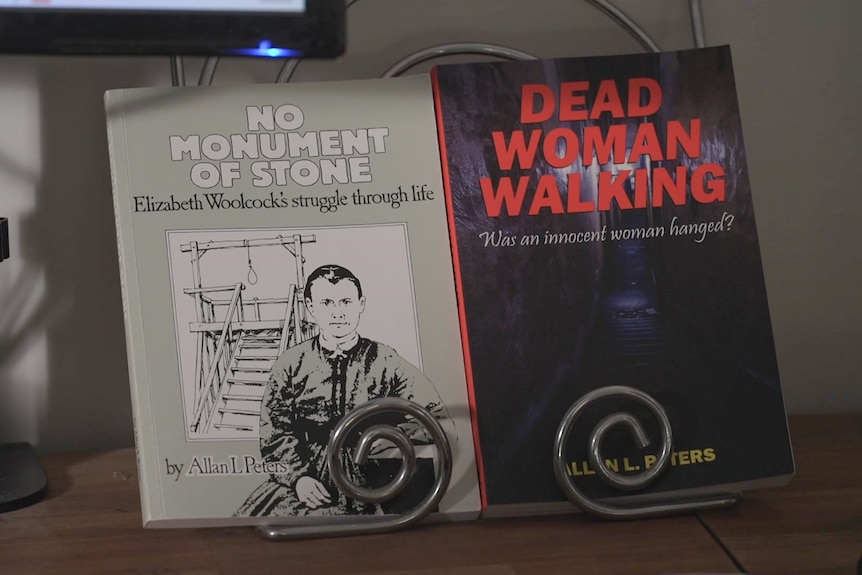
Ms Peters’ father Allan Peters has written two books on the trial and execution of Elizabeth Woolcock. (ABC News: Che Chorley)
Ms Peters said a chemist wrote to the governor at the time stating 26 reasons why Woolcock should not be hanged, but the letter was disregarded and it was never proven that mercury poisoning was the cause of death.
Pushing for a pardon
Ms Peters has launched a petition calling for a posthumous pardon outlining 11 reasons why she believes the case should be revisited.
It’s the third attempt her family has made to clear Elizabeth Woolcock’s name, but this time they have enlisted the support of legal experts.
David Plater is an associate professor at the Adelaide University School of Law and deputy director of the South Australia Law Reform Institute.
He said Woolcock’s conviction was a ‘glaring case of injustice’ and has joined Ms Peters in petitioning for the conviction to be reconsidered.
“The case, once you look at it carefully and methodically, seems to rely on a lot of stereotype, rumours, and the evidence just doesn’t cut it,” Dr Plater said.
“In all likelihood, she was wrongly convicted and was an innocent victim of circumstance, who’d been convicted on very tenuous evidence by the prosecution.”
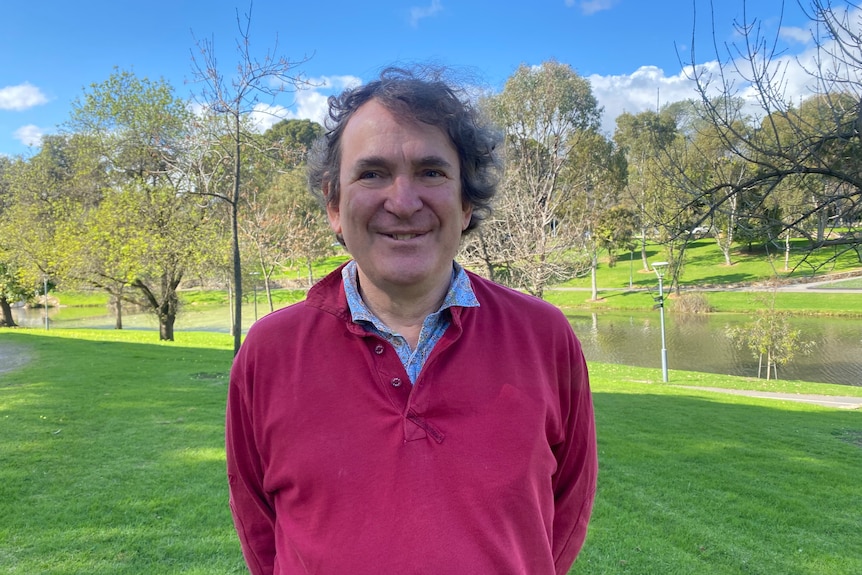
Dr David Plater said the case against Woolcock lacked credible scientific and medical evidence. (ABC News: Shari Hams)
Dr Plater said a confession Woolcock made before her death carries “very little weight”.
“Confessions, frankly in the 1800s, were about as reliable as reading the entrails of a fish,” he said.
“There was a very strong view that you wanted to repent your crimes … it was not uncommon for condemned prisoners just before they were hanged to make all kinds of confessions.”
The power to issue a posthumous pardon lies with the Governor of South Australia, a request which Dr Plater said was exercised in “extremely rare” circumstances.
“Very understandably, the government of the day is reluctant to constantly agitate old convictions,” he said.
“It should be done unusually, sparingly, where there’s really very strong doubts as to the conviction of the accused.
“I think this is one of those unusual cases where the circumstances of Elizabeth Woolcock’s conviction can be reconsidered.”
‘Did she or didn’t she?’
The Adelaide Fringe festival is bringing Elizabeth Woolcock’s story to life as part of a theatre performance set in the jail where she was executed and buried.
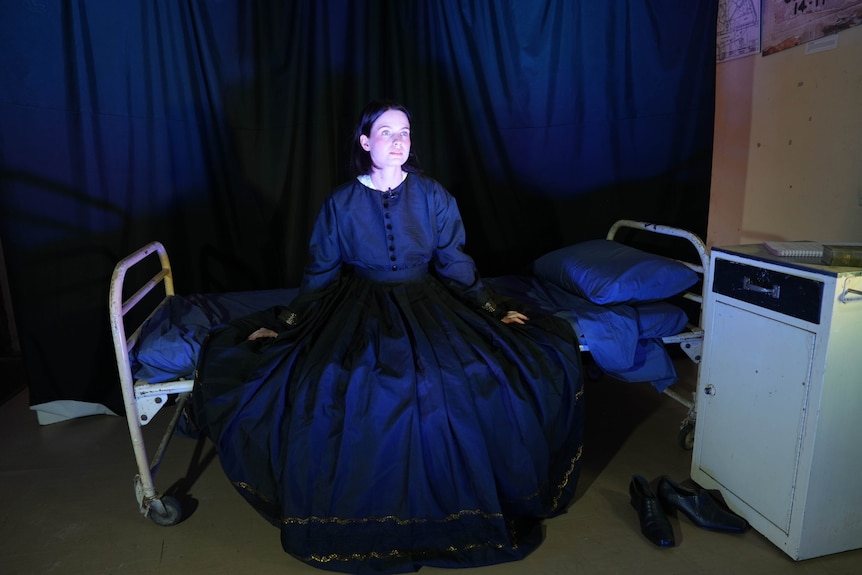
Hilary Boyce plays Elizabeth Woolcock in a play at the Adelaide Fringe. (ABC News: Brant Cumming)
Hilary Boyce, who portrays Elizabeth, said it was a story that many Australians would not be familiar with.
“We finally are letting women tell their stories, we’re not hiding them, we’re not making them disappear,” Boyce said.
“There are still women out there like Elizabeth that people don’t believe, they’re pushed aside, they’re forgotten, they disappear — it just shows that it’s still relevant.”
She said capturing the trauma of Woolcock’s story had been “emotionally taxing” as a performer.
“I really want the audience to, at the end of this play, think, ‘did she or didn’t she?’, and not judge either decision,” she said.
“If she did do it, do you judge her for it? And would you have done the same thing?”
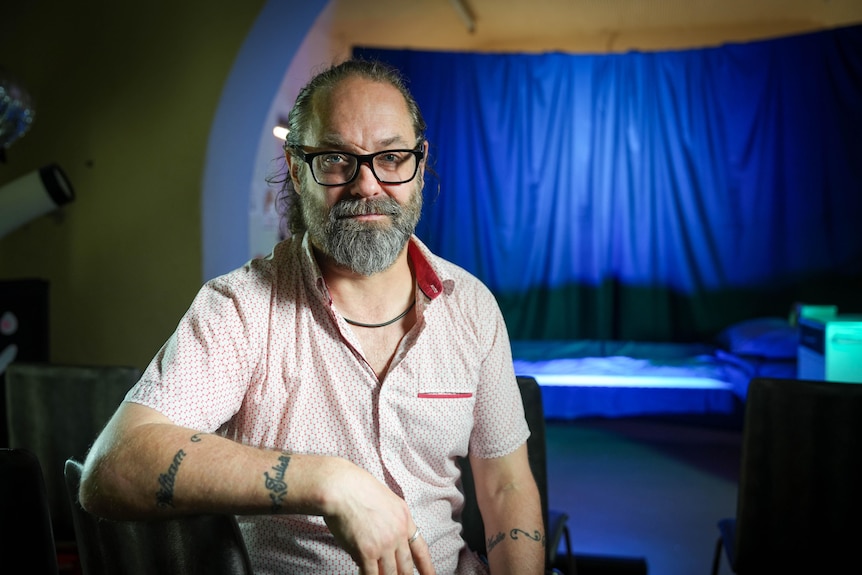
Director Roy Maloy believes Elizabeth Woolcock was innocent when she was executed. (ABC News: Brant Cumming)
Director and true crime author Roy Maloy said he hoped the performance could reframe Woolcock’s story as a victim, rather than a perpetrator.
“I absolutely think it’s a crime that we haven’t pardoned her,” Mr Maloy said.
“This is a moment in time where we can really look at that and say, that was so unfair, not just unfair, that was deliberately unfair and cruel.
“Being able to tell stories that aren’t comfortable are what leads us to the truth.”