
 Save
Save
You have reached your maximum number of saved items.
Remove items from your saved list to add more.
Save this article for later
Add articles to your saved list and come back to them anytime.
Got it
AAA
Australia’s final two oil refineries are locked in negotiations with the Albanese government over an increase in taxpayer subsidies they say is critical for their survival, just as the war in the Middle East renews focus on the state of the nation’s fuel security.
The high-stakes talks come as Iran’s effective closure of the Strait of Hormuz – a global choke-point for one-fifth of the world’s oil supply – is pushing up petrol and diesel prices and stoking concerns about Australia’s heavy reliance on imported fuels.
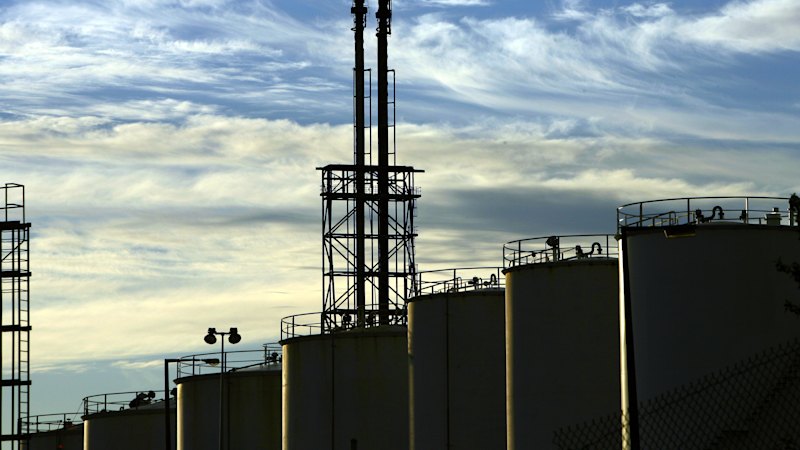
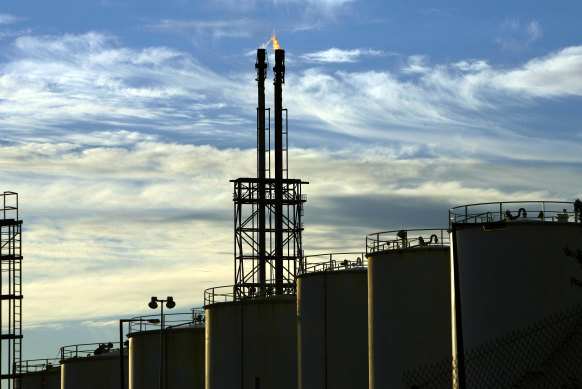 The 70-year-old Geelong oil refinery was the first of a wave of postwar refineries to come on stream in Australia. Today it is one of just two that remain.Nic Walker
With the Commonwealth’s existing support deal for local refiners due to expire in the middle of next year, the future of Viva Energy’s Geelong refinery in Victoria and Ampol’s Lytton plant in Brisbane hangs in the balance. At stake are the jobs of thousands of refinery workers, and Australia’s ability to produce its own petrol, diesel and jet fuel in an increasingly volatile global market. The nation currently relies on imports to fill about 90 per cent of its liquid fuel needs.
Negotiations over new government subsidies have been described as “constructive” but refinery owners consider a swift resolution essential as their plants continue being strained by persistently volatile refining margins, casting a shadow over their viability. Sources close to the talks said the refiners were asking for adjustments to their subsidies to reflect the significantly higher costs they were now facing as a result of years of rising inflation.
Viva Energy chief executive Scott Wyatt said the unfolding conflict in the Middle East had put the spotlight on liquid fuel supply and supply chain vulnerabilities, underlining the critical need to maintain refining capability within Australia.
“Over the past 15 years Australia has lost around 70 per cent of its local refining capacity, making it more important than ever to protect what remains,” he said.
The Geelong and Lytton refineries – sprawling industrial sites that process crude oil into usable fuels – are the last ones standing in Australia following a decade-long exodus. The local industry has been struggling to compete with cheaper imports following the expansions of larger, lower-cost mega-refineries in South-East Asia.
In 2021, travel bans to arrest the spread of COVID-19 dealt another crushing blow: wiping out fuel demand on an unprecedented scale and triggering the closures of ExxonMobil’s Altona refinery in Melbourne and BP’s Kwinana facility in Perth.
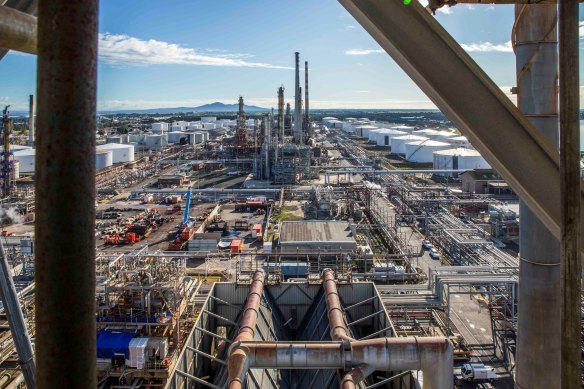 Viva buys crude oil from all over the world and turns it into petrol at the refinery in Geelong.
To stem the full collapse of the industry, Ampol and Viva agreed at the time to a Fuel Security Service Payment – a subsidy of up to 1.8¢ per litre for locally made fuel – in exchange for a commitment to remain operational until mid-2027. However, that safety net is now under review.
Related Article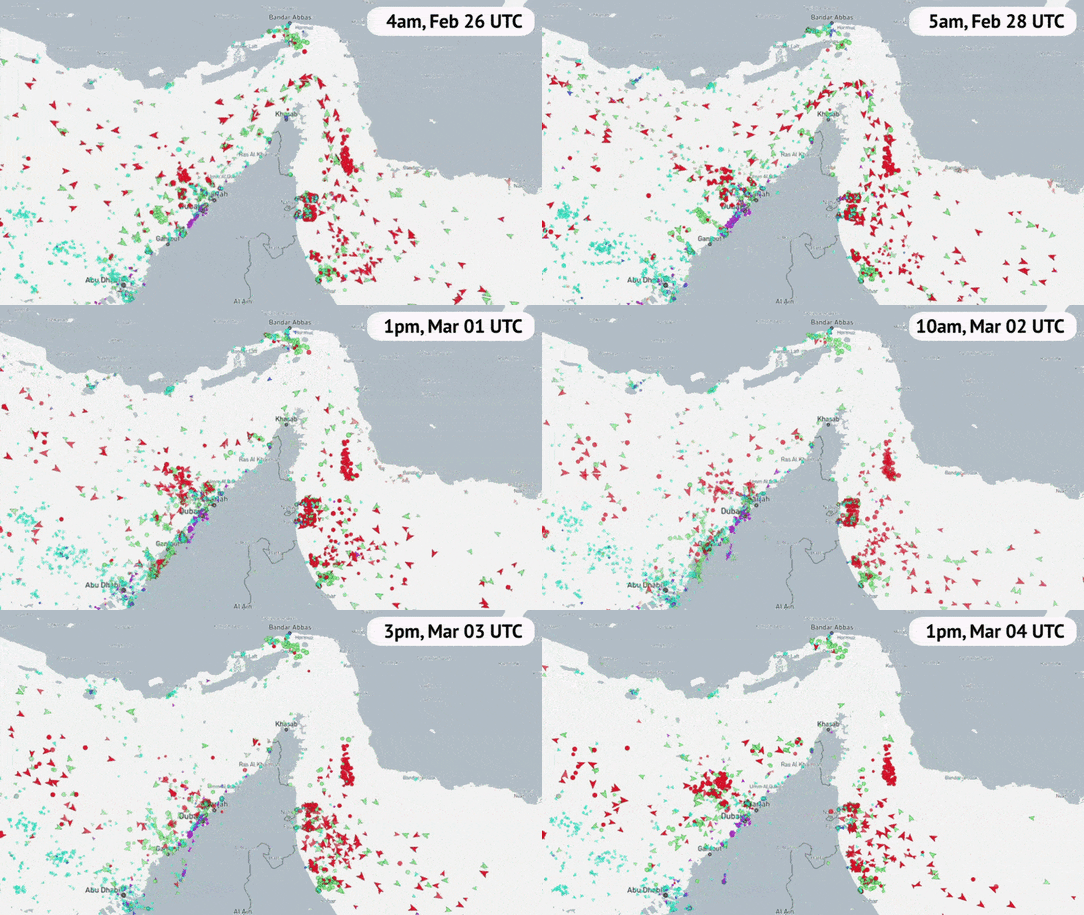
Energy Minister Chris Bowen signalled the government’s intent to support the continued operation of Australia’s remaining oil refineries: “We back our refineries – unlike the Coalition, who let four close under them,” he said.
The refiners are expecting to be told of an outcome from the talks within the next three weeks.
“The ongoing conflict in the Middle East has sharpened the focus on fuel security and the importance of maintaining a domestic oil-refining capability,” an Ampol spokesman said. “We are confident that the government recognises the critical role refining plays in Australia.”
Viva Energy said its Geelong refinery was operating in a higher-cost environment than when the subsidy deal was struck in 2021. “This includes increased costs across energy, wages and construction,” Wyatt said. “We will continue to work with the government to ensure the scheme remains fit-for-purpose and supports sustainable refining operations in Australia.”
Related Article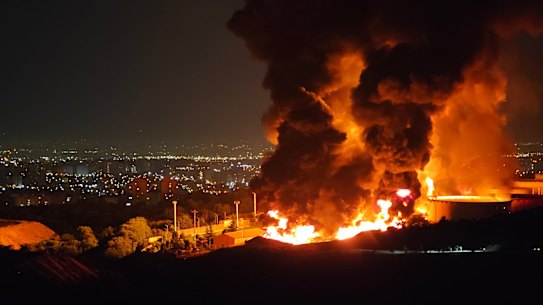
The outbreak of the war in Iran has intensified concerns over global supplies of crude oil – the natural resource refined into petrol, diesel and jet fuel – and is widely expected to push up prices for motorists in Australia, even if the conflict is short-lived. The cost of a barrel of oil has surged more than 20 per cent since the fighting began, to about $US90, its highest mark in nearly two years.
The longer the Strait of Hormuz disruption lasts, the greater the threat of higher prices at the petrol pump, experts said. Tom Allen, an energy analyst at investment bank UBS, said Australia was at risk of higher prices but was not in danger of a physical supply squeeze unless transit through the narrow waterway off Iran’s south coast remained blocked for another month.
The Albanese government last week confirmed Australia had enough petrol in storage to last 36 days, and enough diesel for 34 days, based on normal consumption patterns. The levels are the highest they have been in more than a decade but are still falling short of the International Energy Agency’s benchmark recommendation for countries to have a 90-day stockpile.
The Business Briefing newsletter delivers major stories, exclusive coverage and expert opinion. Sign up to get it every weekday morning.
Save
You have reached your maximum number of saved items.
Remove items from your saved list to add more.
 Nick Toscano is a business reporter for The Age and Sydney Morning Herald.Connect via X or email.From our partners