
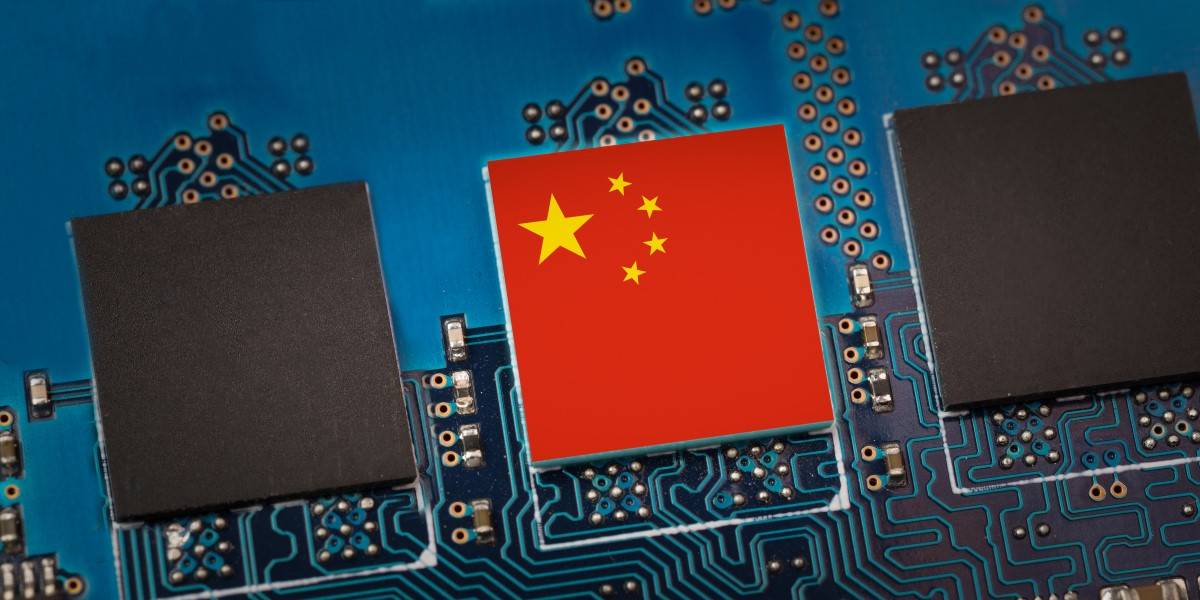
China’s Ministry of Commerce has warned of further disruption to the global semiconductor supply chain after Dutch chipmaker Nexperia cut access to some of its systems for Chinese staff.
Nexperia makes chips that are in demand for automotive applications, among others. The company calls the Netherlands home, but is owned by Chinese company Wingtech Technologies. In late 2025, the Dutch government took control of Nexperia’s local operations on grounds that it was set to illegally transfer critical chipmaking tech to Wingtech.
That fight reached an uneasy stalemate, but hostilities appear to have resumed last week after Nexperia China claimed its Dutch parent company cut off access to SAP and Microsoft 365 for all Chinese employees on March 3rd, making it impossible to process new orders.
Nexperia China said that as of Friday it was able to conduct “basic production operations” and said it was trying to avoid disruption to production and delivery.
However, Nexperia’s Dutch entity told Reuters its Chinese subsidiary’s statements were “factually incorrect and misleading.”
China’s Ministry of Commerce said the incident “has stirred up new conflicts and created new difficulties and obstacles for the company’s negotiation efforts,” and said: “If this triggers another global semiconductor supply chain crisis, the Netherlands must bear full responsibility.”
Indonesia to ban social media for under 16s
Indonesia’s minister of communication and digital affairs Meutya Hafid last week announced a ban on social media for children aged 16 or under, citing the threat of cyberbullying and the risk of addiction.
“We understand that this step may cause discomfort at first. However, the government cannot remain silent when the future of children is at stake,” she said in a speech. The ban comes into force from March 28th and will impact YouTube, TikTok, Facebook, Instagram, Threads, X, Bigo Live, and Roblox.
Indonesia is the world’s fourth-most populated country, with almost 300 million residents – around a quarter of whom are under 16. Big Tech is therefore about to lose access to a significant number of customers.
How worried is China about AI’s jobs impact?
China’s Minister of Human Resources and Social Security Wang Xiaoping on Saturday said the nation’s government is mulling measures to actively harness AI in creating new job opportunities and empowering traditional jobs.
A government announcement states Wang’s ministry “will continue to intensify efforts in developing new professions, focusing on areas such as new quality productive forces, new consumption hotspots, and services for public wellbeing.”
However, a report in Japanese outlet Nikkei quoted Wang as saying “Currently, artificial intelligence is developing rapidly, which has a profound impact on employment,” and describing the situation as “of great concern to everyone.”
India’s PC sales remain tiny
Vendors shipped 15.9 million PCs in India last year according to analyst firm IDC, which declared that the “strongest year ever.”
But the firm also noted that 8.6 million PCs went to businesses, meaning consumers bought just 7.3 million machines
India’s population is over 1.4 billion, so even the 10.2 percent year-over-year growth in PC shipments means very few Indians acquired a PC for personal use.
Vietnam’s AI fund
The government of Vietnam last week announced the creation of a national AI fund to establish AI cluster hubs at high-tech parks, concentrated digital technology zones, and innovation centers.
The government hasn’t enumerated the extent of its investment but said some of its funds will flow to investors who build technical infrastructure.
Also in Vietnam last week, AWS Vice President of Data Center Planning and Delivery Kerry Person promised to develop local talent, and expressed his desire to do more business with the nation’s government.
Panasonic ships cooling to Europe
Japanese giant Panasonic last week announced it has started taking orders for its datacenter-grade liquid cooling kit in Europe, to help operators of generative AI datacenters chill out.
The company’s offerings use products developed by Italy’s Tecnair S.p.A, which Panasonic acquired in 2023.
Panasonic also said it’s developed a new datacenter cooling tech for small facilities where the outdoor temperature is below 10°C. The new product uses low outdoor temperatures to generate chilled water.