
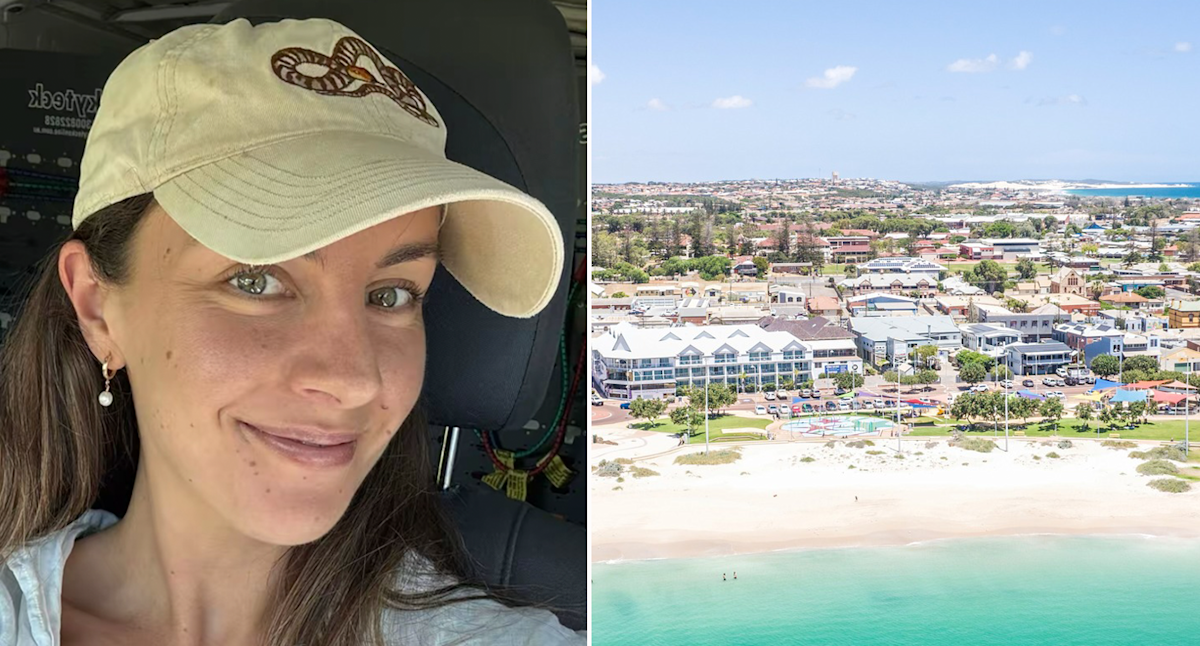
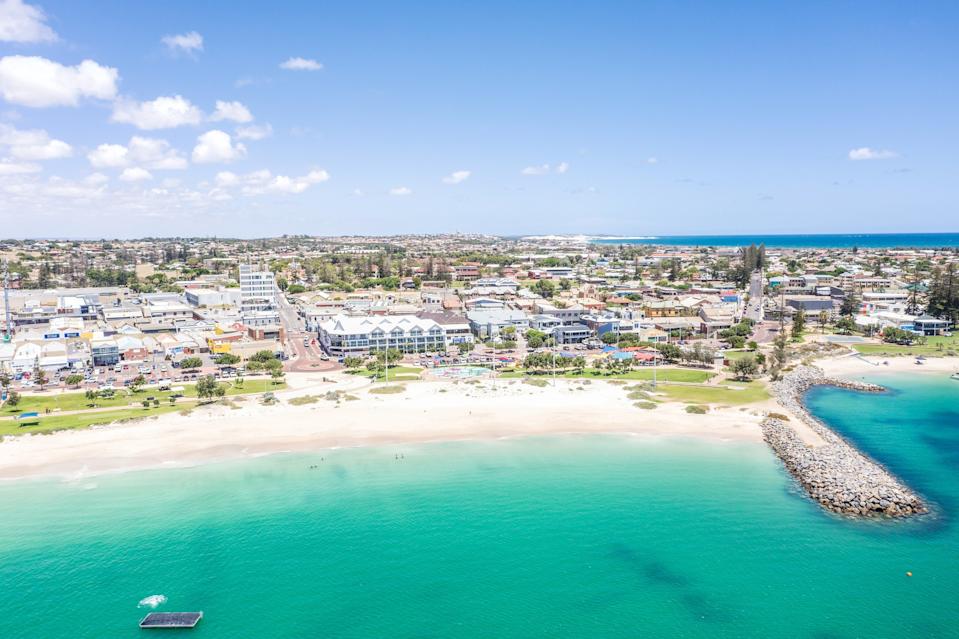
 Geraldton in Western Australia has seen the biggest home lending growth among those moving to the regions, Westpac says. (Source: Visit Geraldton)
Australians in search of more space and a laid-back lifestyle continue to head to the regions as it becomes increasingly more viable to work outside major metropolitan areas. Young workers in particular are able to take advantage of a rise in flexible working arrangements to say goodbye to the city and the cost of living pressures associated with it.
For tech worker Larissa Kutny and her FIFO partner, moving regionally to northern NSW was “more about the value you get for your money” compared to life in the city. “Cost of living was definitely part of the equation,” she told Yahoo Finance.
“My favourite part has always been the slower pace and the sense of community. When I lived in Melbourne, sitting in peak hour traffic would leave me feeling completely strung out. I realised pretty quickly that kind of lifestyle just wasn’t for me,” she said.
“Over time we’ve intentionally shaped our careers around the lifestyle we want, so that we’re not tied to living close to major cities like Melbourne or Sydney.”
RELATED
She’s far from alone. Australians continue to show strong interest in regional living, with three out of 10 people planning to rent, buy or invest outside a capital city, according to the latest Home Ownership Report from Big Four bank Westpac.
It’s a combination of housing affordability and lifestyle considerations that are enticing people to the regions.
And the Ballina resident said the change is increasingly noticeable on the ground.
“The biggest trade-offs used to be things like access to healthcare, schools, and shopping. But honestly I think that gap has narrowed a lot over the years,” Larissa said.
 Larissa previously lived in Melbourne but moved from the Mornington Peninsula to live regionally in Northern NSW. (Source: Life.wife.Larissa/TikTok/Supplied)
“Most of the regional areas we’ve looked at still have those essentials nearby, and many are within an hour or so of an airport, so you’re not as cut off as people sometimes assume.
“One unexpected upside has been that as more younger people move to regional towns, they bring a few city habits with them. The quality of coffee has improved dramatically, which I definitely appreciate.”
RELATED: Young Aussies abandon Sydney, Melbourne in major ‘societal shift’
Larissa, 29, has taken advantage of being able to work remotely to leave the city, and shares tidbits about her career and financial journey on social media, telling followers in one recent video she opted against a job that amounted to a $30,000 pay rise because it meant she would have to be in the city.
Story continues
“Technically we could probably earn more money if we lived somewhere like Sydney, especially in my line of work. But when you factor in the higher rent, transport costs, tolls, parking, and the general cost of living, a lot of that extra income would likely get eaten up anyway,” she told Yahoo Finance.
Westpac’s latest Home Ownership Report released on Monday shows that while capital cities remain the dominant desire for Aussies, there continues to be a steady drumbeat of interest in the regions.
Among those considering a “tree change”, 34 per cent cited a lower cost of living as the main motivation, while a similar 33 per cent said more affordable housing prices drove their interest. Meanwhile the appeal of less populated environments (28 per cent) and more space and proximity to nature (24 per cent) were also behind the trend.
Westpac Senior Economist Matthew Hassan said the customer data showed a pragmatic blend of budget and lifestyle factors drawing people to regional living.
“Affordability and lifestyle remain central to regional buying intentions. As infrastructure continues to improve and hybrid work persists, we expect regional interest to remain steady, not spike – consistent with the broader pattern in our data,” he said.
Among the biggest concerns were access to healthcare and schooling, a lack of job opportunities, leaving friends and family, and fewer entertainment options – which was more of a concern among Gen Z.
Home lending data from Westpac shows the WA town of Geraldton as one of the biggest growth areas drawing in new people, followed by the NSW town of Lake Macquarie, Queensland’s Jimboomba and Bundaberg and Tweed Valley in NSW.
A recent report by accounting giant KPMG found 41,086 people left Sydney in 2024 with the majority being young people aged between 25 to 44 years old, with plenty heading to the regions and smaller cities promoting NSW Premier Chris Minns to publicly lament the cost pressures forcing younger residents out.
According to latest data from PropTrack, regional home prices across the country have risen by nearly 60 per cent in the past five years to a median of nearly $700,000.
With many area providing more attractive rental yields compared to major cities, property investors have been snapping up homes, sometimes without even viewing the property in person.
Larissa and her partner have been lucky enough to rent a private studio below market rent in the Ballina Shire and recently bought an investment property in regional Victoria. The hope is they will one day be able to afford a small acreage property that can support horse ownership.
“We rentvest because it was the only way for us to enter the market,” she said.
“While I don’t love everything about being a landlord, it gave us a foothold in a housing market that’s increasingly out of reach for many younger Australians, and will help us get into our own home eventually.”
Rank
State
Region / Locality
1
WA
Geraldton
2
NSW
Lake Macquarie – east
3
QLD
Jimboomba
4
QLD
Bundaberg
5
NSW
Tweed Valley
6
QLD
Townsville
7
VIC
Wangaratta – Benalla
8
QLD
Burleigh
9
QLD
Caboolture
10
NSW
Port Stephens
Get the latest Yahoo Finance news – follow us on Facebook, LinkedIn and Instagram.