
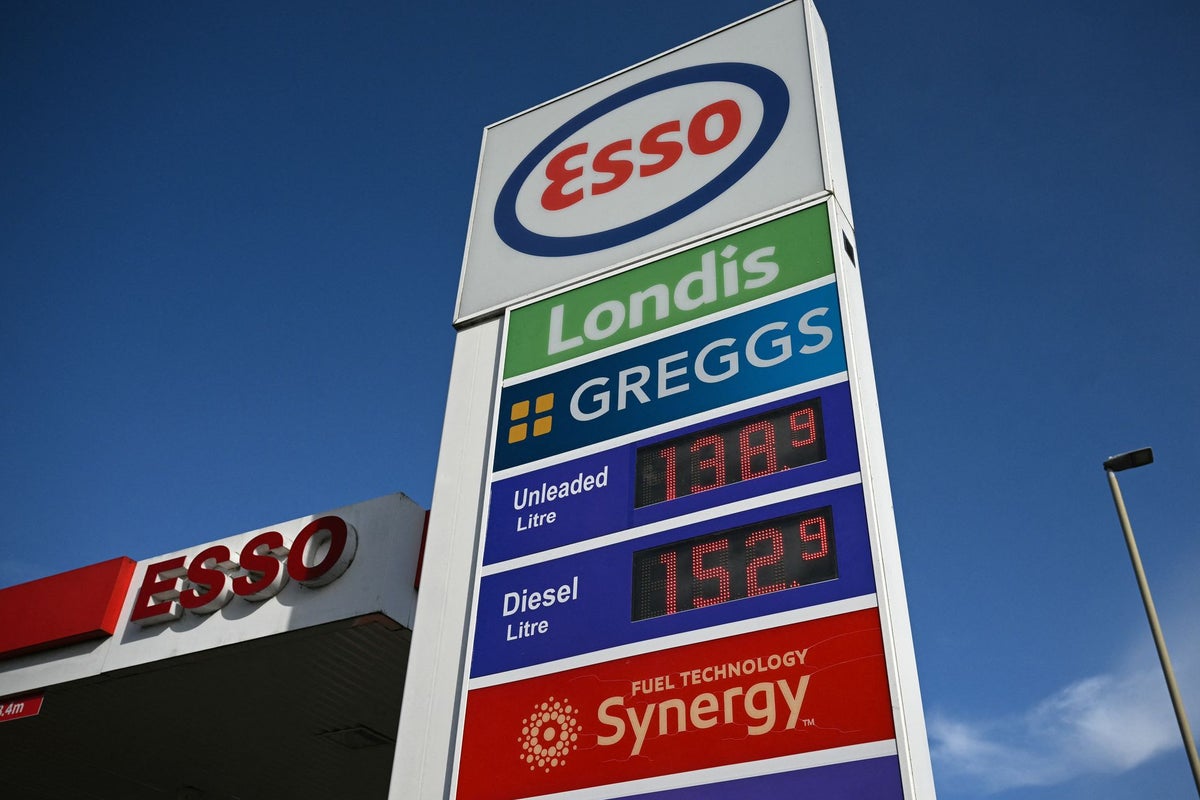
Your support helps us to tell the story
From reproductive rights to climate change to Big Tech, The Independent is on the ground when the story is developing. Whether it’s investigating the financials of Elon Musk’s pro-Trump PAC or producing our latest documentary, ‘The A Word’, which shines a light on the American women fighting for reproductive rights, we know how important it is to parse out the facts from the messaging.
At such a critical moment in US history, we need reporters on the ground. Your donation allows us to keep sending journalists to speak to both sides of the story.
The Independent is trusted by Americans across the entire political spectrum. And unlike many other quality news outlets, we choose not to lock Americans out of our reporting and analysis with paywalls. We believe quality journalism should be available to everyone, paid for by those who can afford it.
Your support makes all the difference.Read more
UK inflation could hit three per cent by the end of the year if oil and gas prices remain at current levels, the government’s official economic forecaster has warned, in another economic blow for Rachel Reeves.
Professor David Miles, a member of the Office for Budget Responsibility (OBR’s) budget responsibility committee, told MPs on the Commons Treasury select committee that he believes inflation could now be one percentage point higher than the 2 per cent estimate in last week’s Spring Statement.
Warning of “nothing but negative” economic consequences from the Iran war, Prof Miles said the impact of the conflict on UK prices could be “significant” and “completely unwelcome” but added that the energy price rises were “not on the same scale as we experienced after Russian invasion of Ukraine”.
He said said oil prices were currently about 20 per cent higher than they were before fighting escalated, and gas prices were up by about 50 per cent, adding: “If there’s no change in the picture on prices from now on forward, we estimate something like a 1 per cent higher level of consumer prices in the UK by the end of the year.
“Right now, if prices don’t change from where they are – both the spot prices and market expectations for futures prices, which is particularly important for the Ofgem price cap – we think the e would end the year not near 2 per cent, but nearer 3 per cent”.
The assessment is a major blow for the chancellor, who had relied on inflation falling to the target of 2 per cent to justify her claims that her plan for the economy was working.
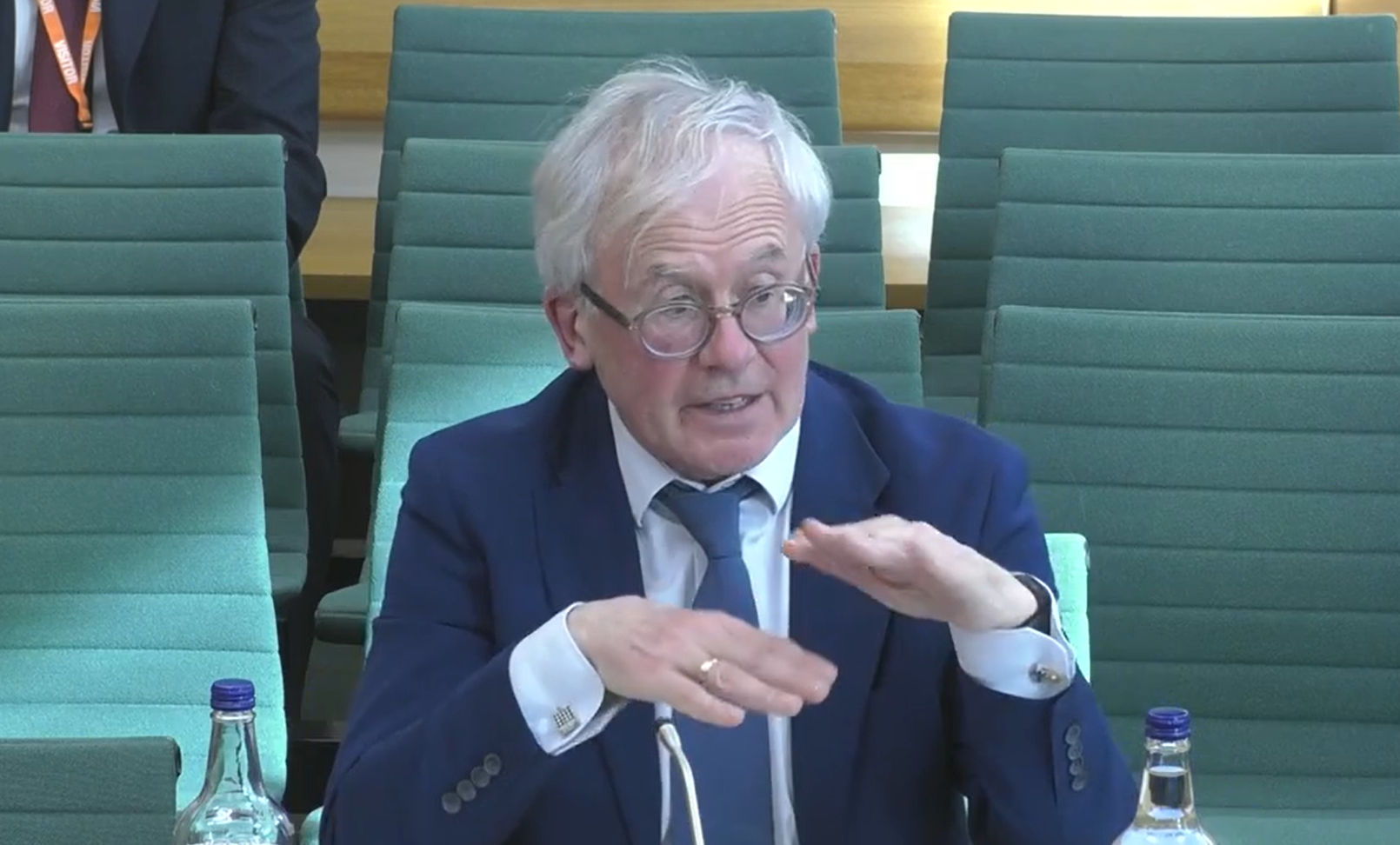
open image in gallery
Professor David Miles of the OBR gives evidence to MPs (Parliament TV)
Other estimates had painted a picture of a struggling economy under her stewardship with economic growth expected to slow from 1.4 per cent in 2025 to 1.1 per cent in 2026; and the unemployment rate will rise from 4.75 per cent in 2025 to a peak of 5.33 per cent.
Borrowing was expected to be more than double the target level of 2 per cent at 4.3 per cent even though it was falling while wage growth was forecast to slow to around 3.5 per cent in 2026 and then average 2.25 per cent a year.
Addressing the Commons on Monday after an emergency session with G7 finance ministers, Ms Reeves had conceded that the war was likely to see an increase in inflation. Earlier the prime minister Keir Starmer had also warned of the effect on the cost of living.
But even at Treasury questions in the Commons on Tuesday, Ms Reeves was unwilling to outline plans to cap a spike in energy bills caused by the effect of the war on oil and gas prices. and while she said she “always keeps taxes under review” she resisted demands that she cancels a planned 5p hike in fuel duty.
She accused petrol retailers of “price gouging” and insisted the government’s priority was to stop companies from using the conflict in the Middle East to “rip off” their customers”.
“Yesterday some petrol retailers were charging almost 180p a litre while others charged less than 130p a litre,” the chancellor said, vowing to meet companies this month “to get prices down at the pumps”.
Prof Miles said the impact of a sustained energy price spike would come through “pretty quickly” for petrol, which has “probably moved already”, but would take longer to feed through into household energy bills.
It would not be until Ofgem sets its next price cap from the beginning of July that households feel the effects, he said.
Last week, analysts at Cornwall Insight forecast that household energy bills could rise by 10 per cent from July after sharp increases in wholesale gas prices.
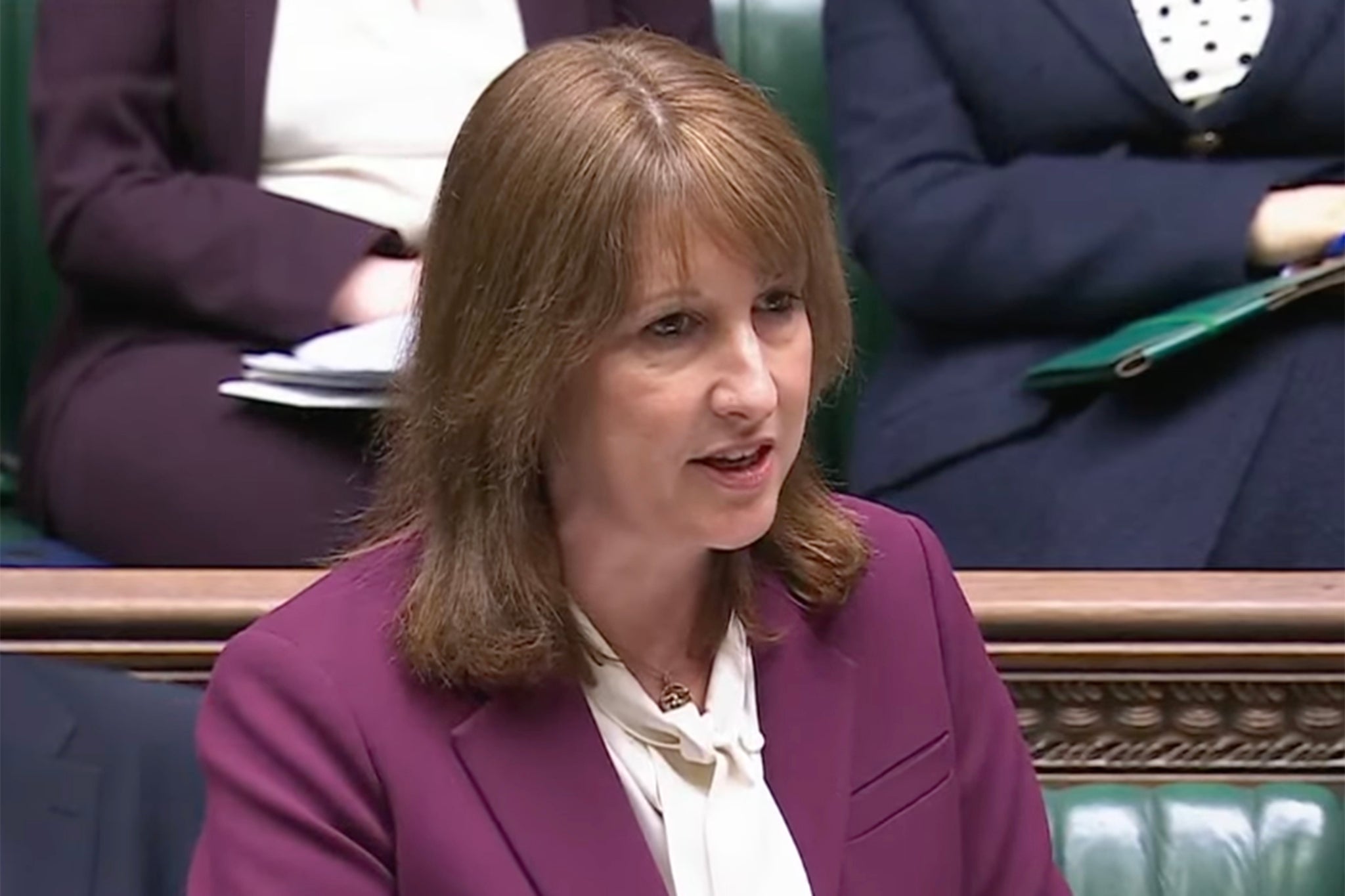
open image in gallery
Rachel Reeves has been handed bad news on inflation (Sky News)
This means Ofgem’s price cap for July to September would surge to £1,801 a year for a typical dual fuel household – an increase of £160 or 10 per cent on April’s cap.
Political opponents attempted to capitalise on the planned increase in fuel duty, with the Tories pursuing the issue in the Commons and Nigel Farage joining Robert Jenrick for a Reform UK forecourt political stunt in Derbyshire.
Meanwhile, in a cabinet meeting, the prime minister said that “no matter the headwinds, supporting families will always be at the forefront of his mind.”