
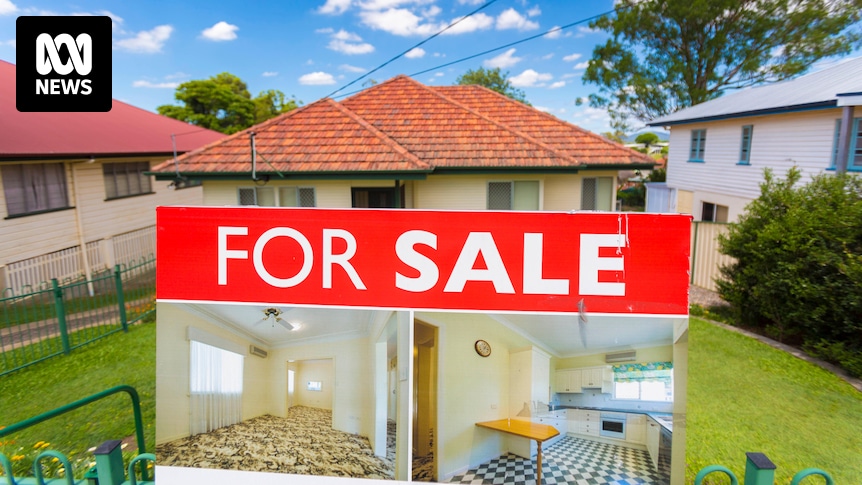
Land valuations in Ipswich have climbed more than 50 per cent, while the Gold Coast and Sunshine Coast are up almost 25 per cent, likely leading to higher council rates and land tax bills.
Queensland’s Valuer-General, Laura Dietrich, issued the new valuations for more than 500,000 landowners, encompassing 15 local government areas.
Ipswich, one of the fastest-growing council areas in the country, saw values increase by 51 per cent, with more than 90,000 properties totalling a value of almost $49 billion.
The jump in valuation was attributed to more affordable housing compared to other south-east Queensland markets and increased land supply.
On the Gold Coast, valuations surged by 23 per cent, with more than 152,000 properties totalling a value of more than $195 billion.
The increase was driven by high interstate and overseas migration, along with major infrastructure investment in the Coomera Connector motorway and light rail expansion.
Queensland land valuations rise in 2025 decision
The Sunshine Coast saw a similar uptick of 24 per cent, with almost 117,000 homes chalking up a total value of almost $90 billion.
It too had significant interstate migration, with strong demand for its coastal and hinterland lifestyles.
Other south-east regions issued significant valuation increases included the Lockyer Valley, up 56 per cent, Noosa Shire, up 37 per cent, and Redland City, up 20 per cent.
Brisbane, Logan, Townsville, and Cairns were notable exceptions to the latest land valuations, with values in those areas remaining unchanged.
Rate increases not a given
Ms Dietrich said the valuations were not “determined lightly”.
“Every valuation is based on extensive research and independent data analysis, giving landowners a clear understanding of what their land is worth,” she said.
She noted the valuer-general had no say in whether council rates increased or decreased.
“Land valuations are just one of the factors that councils use to calculate rates,” she said.
“Each local council sets its own rating structure and revenue requirements, so even if your land value increases, it doesn’t automatically mean that your rates may too.”
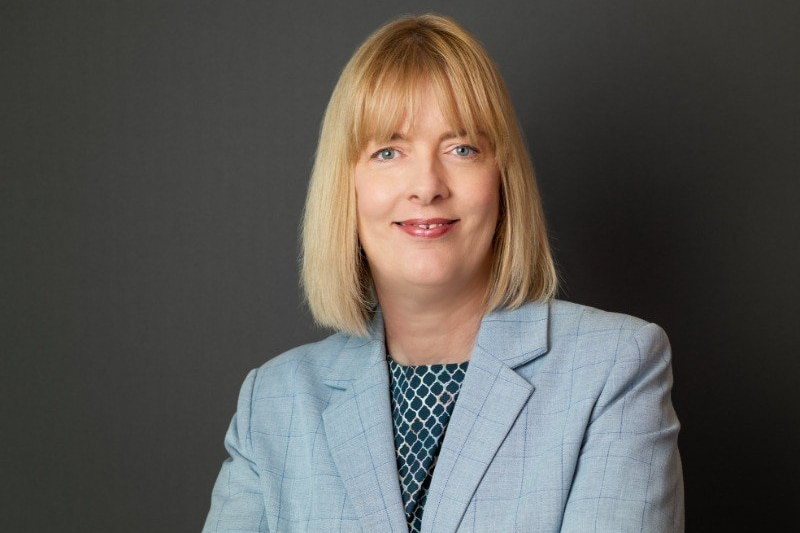
Laura Dietrich says land values are only one factor affecting council rates. (Supplied: Western Queensland Alliance of Councils)
The land valuation date was October 1, taking effect in June.
As such, weather events following the valuation date, including devastating flooding in the north-west of the state in January, were not taken into account.
“We understand some Queenslanders are doing it tough following recent floods and adverse weather events and may have questions about how this affects their land valuation,” Ms Dietrich said.
“While these valuations were completed before recent flood events, we carefully consider the impact of historic flooding when assessing land values.
“If your property has been permanently damaged by adverse weather for the first time, please contact the call centre.”
Details of how to contact the Queensland Land Valuation office are on their website.
Regional areas skyrocket
The North Burnett Regional Council area was issued the biggest increase in land valuation, up 85 per cent.
Etheridge Shire wasn’t far behind, surging 79 per cent.
Ms Dietrich said much of the increase in agricultural areas was driven by primary producers buying properties “strategically important to them”.