
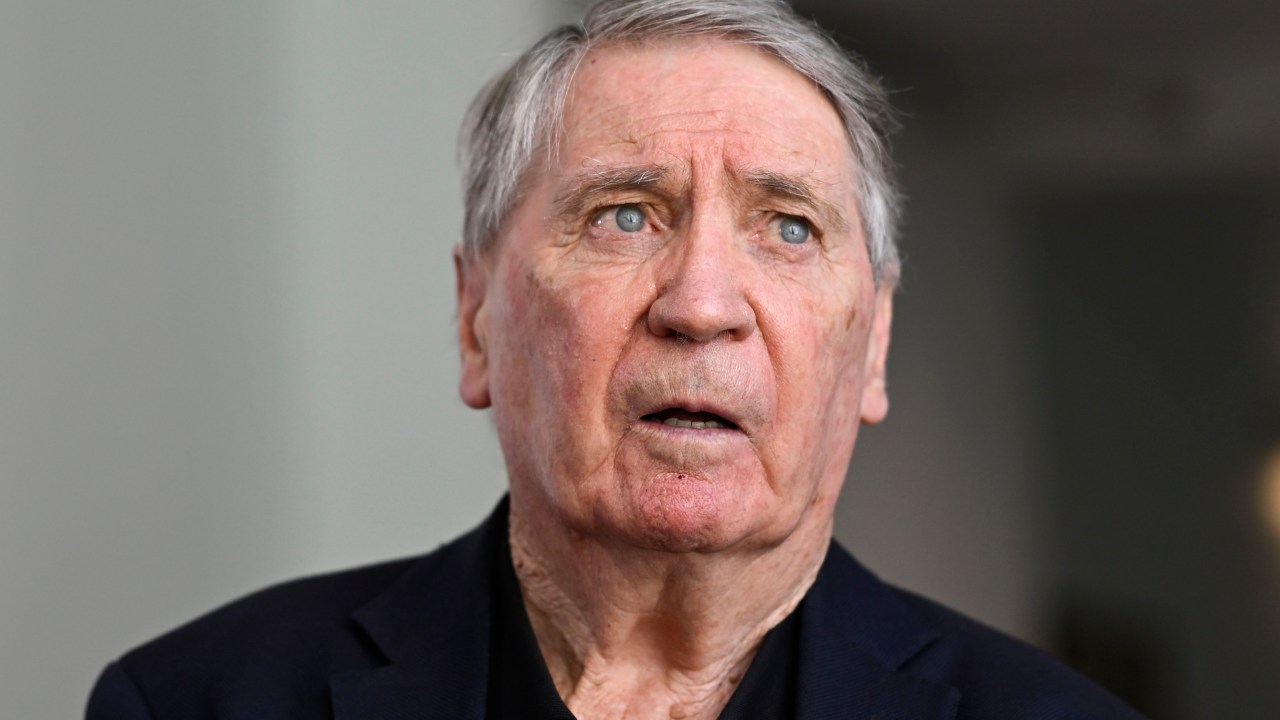
Former intelligence chief Dennis Richardson has warned the Bondi Royal Commission’s findings may come too late as Australia’s terror threat level remains “probable”.
Mr Richardson quit the inquiry, saying his contribution had been minimised to the point he felt he was no longer providing value.
In an extended interview with Sky News Australia host Sharri Markson, Mr Richardson revealed the internal machinations of the Royal Commission and the reasons behind his decision to walk away.
Following his shock resignation, Mr Richardson said he was uncertain the inquiry’s intelligence and law enforcement findings would be delivered quickly.
“Any recommendations or findings from the Royal Commission relating to intelligence and law enforcement by definition go to the safety of the community,” Mr Richardson said.
“(They) should be made available to the government at the earliest opportunity. I hope that will happen … And at this point in time, I do not know whether that will happen.”
The Bondi Royal Commission’s findings will not be handed down until December – a year after the attack.
Mr Richardson was originally tapped by Prime Minister Anthony Albanese to lead an inquiry into Australia’s intelligence and law agencies in the aftermath of the terror attack.
His responsibilities were then folded into the Royal Commission after Mr Albanese bowed to weeks of pressure and called the inquiry.
Despite the Royal Commission probing Australia’s security agencies, ASIO Director-General Mike Burgess said an internal review was conducted.
Mr Burgess told Senate Estimates that “many of the claims and criticisms being made about ASIO’s handling of the case are baseless”.
However, Mr Richardson dismissed ASIO’s internal review and said its findings could not be “seen to prejudge” those of the Royal Commission.
“By definition, a Royal Commission has vastly more resources and access to more information than an internal review within one agency,” Mr Richardson said.
“Therefore, I’m sure what Mike Burgess said was sincerely meant, but I don’t think that in any way can be seen to prejudge the findings and recommendations of the Royal Commission, which will come to its own conclusions which will take quite frankly no regard for what any internal review may or may not have said.
“The Royal Commission will be interested in the internal review but it will make its own independent assessments.”
Mr Richardson said that urgency surrounding the Commission’s recommendations was only heightened by the national security environment, with the terror threat level set at “probable”.
“There is continuing conflict in the Middle East and we have … the Jewish Australian community, which at present is living in genuine fear,” he said.
“Therefore, any findings or recommendations that relate in any way to intelligence and law enforcement should go to the government as a matter of urgency.”
He added that radical Islamic extremism was a “real concern” in Australia and that there were people in the country with “totally alien” values to a liberal democracy.
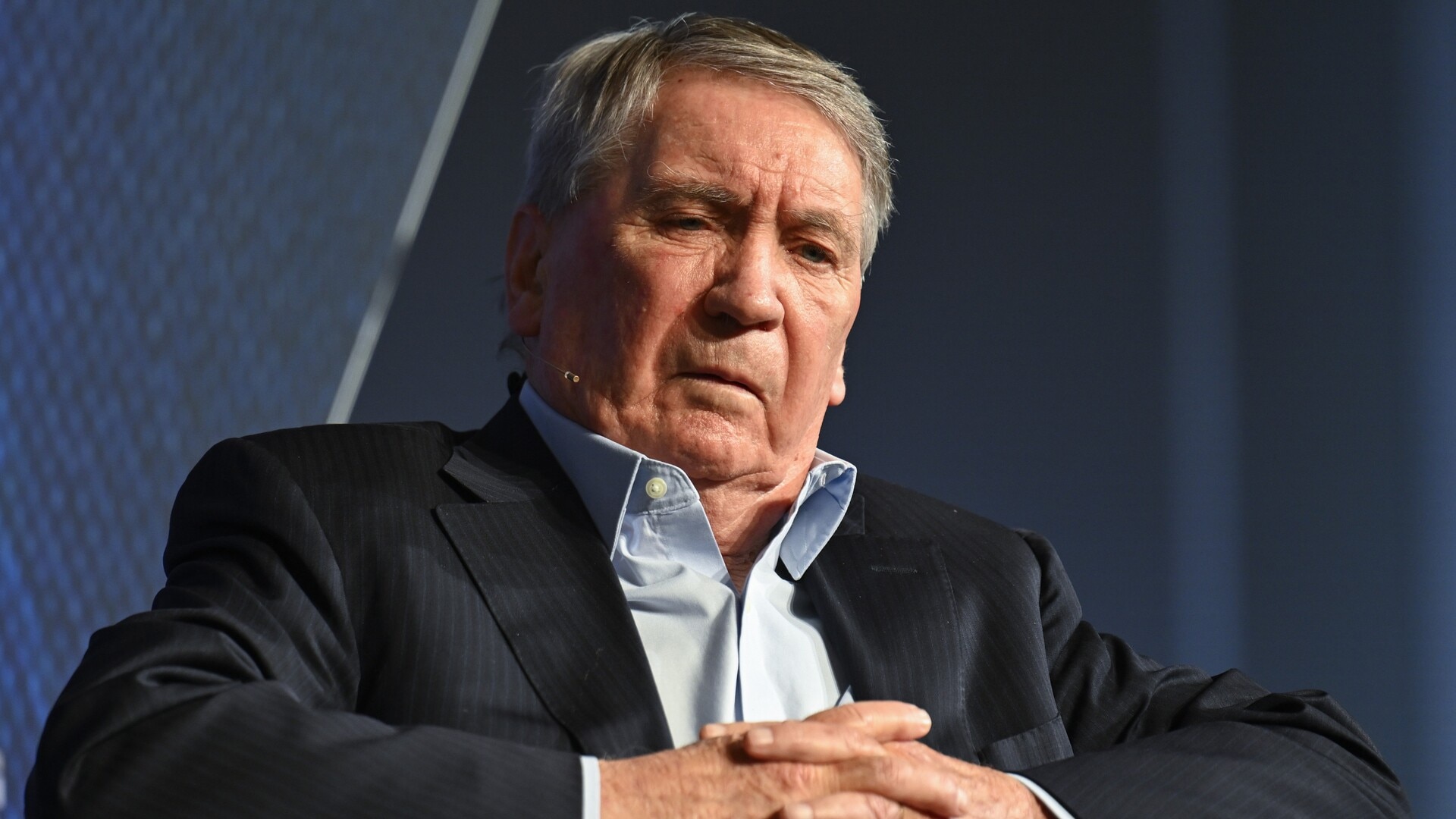
Mr Richardson quit after being appointed as a strategic adviser to assist the inquiry in examining intelligence and law enforcement concerns.
He said his input as special adviser was minimised, despite Prime Minister Anthony Albanese saying he was the “most qualified” person for the review.
Mr Richardson said that over time it became clear his work was not significantly different from that of other supporting staff.
“I believed that it got to a point where my role was not significantly greater to that of a researcher,” he said on Thursday.
“The weight of any views that I might have had were limited compared to others in the Royal Commission.”
Mr Richardson claimed the inquiry led by former High Court justice Virginia Bell would still be effective without his input.
Ms Bell’s appointment was met with concern by members of the Jewish community.
She was criticised for a 2017 High Court decision which ruled that the Tasmanian government’s protest laws breached the implied freedoms of political communication.
That ruling was cited in a NSW Supreme Court decision to overturn Premier Chris Minns’ government’s ban on a pro-Palestine march across the Sydney Harbour Bridge last year.
Former treasurer Josh Frydenberg was among those questioning Mr Albanese’s choice.
“The Prime Minister has been told directly by leaders of the Jewish community that they have serious concerns about this appointment,” he said on X at the time.
His departure has sparked broader concerns about the inquiry’s integrity and credibility among political figures and community leaders.
Shadow attorney-general Michaelia Cash said the resignation raised serious questions about whether the commission would uncover the truth.
“The Jewish community fought for the Bondi Royal Commission to uncover the truth about how antisemitic hatred led to the Bondi massacre,” she said.
“Now Dennis Richardson – the most experienced national security figure in the country – has resigned.”
“The government must explain: Was he prevented from doing his job? What happens to the intelligence investigation? Will Australians still get the truth?”
President of the Australian Jewish Association Robert Gregory said that concerns about the inquiry had existed since it was first established.
“Everything about this Royal Commission has been problematic from the outset,” he said.
“The Albanese government had to be dragged kicking and screaming to establish it, and serious concerns have existed from the beginning.
“The resignation of Dennis Richardson now raises further questions that must be answered.”
“This development risks further undermining public confidence in the inquiry.”