
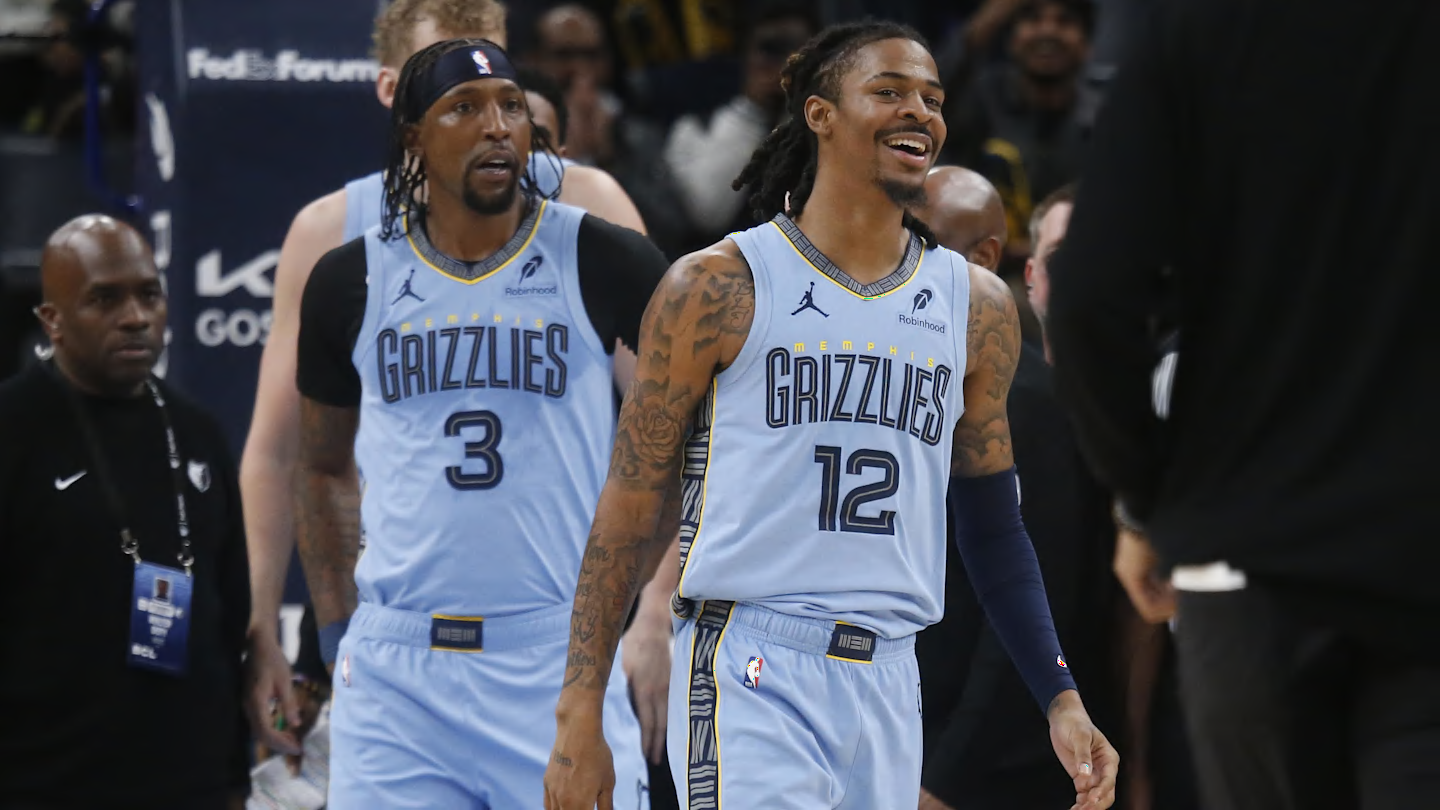
It has been a disappointing season for the Memphis Grizzlies. Injuries, inconsistency, and roster uncertainty have defined the season. What once looked like a franchise built to contend in the Western Conference has instead become a team searching for direction. While rebuilding phases are often messy, some of Memphis’ decisions this year may have set the organization back even further.
Here are the biggest mistakes the Grizzlies made this season.
Not Trading Ja Morant at the Deadline
Jan 21, 2026; Memphis, Tennessee, USA; Memphis Grizzlies guard Ja Morant (12) passes the ball as Atlanta Hawks center Christian Koloko (35) defends during the fourth quarter at FedExForum. Mandatory Credit: Petre Thomas-Imagn Images | Petre Thomas-Imagn Images
The most glaring mistake Memphis made this season was holding onto star guard Ja Morant at the NBA trade deadline.
Reports indicated that the Grizzlies did explore trade options involving Morant, but the organization reportedly sought a first-round pick in return. With Morant’s availability concerns, injury setbacks, and inconsistent on-court impact this season, rival teams were understandably hesitant to meet that asking price. Ultimately, Memphis decided to keep him, a decision that could look even worse in hindsight this offseason.
Morant’s trade value was arguably at an all-time low at the deadline, but there is a strong argument that it may fall even further this summer. Teams now have a larger sample size of his struggles and durability issues, which could reduce Memphis’ leverage in negotiations. Sometimes, rebuilding teams must be willing to “rip the Band-Aid off” and move forward decisively.
A similar situation played out when the Atlanta Hawks moved on from Trae Young. The Hawks were also seeking draft capital, but they were unable to obtain any. The Hawks ultimately prioritized financial flexibility and roster reset over holding onto a depreciating asset. Memphis had an opportunity to take a similar approach with Morant, potentially acquiring expiring contracts, clearing future cap space, and accelerating a youth-driven rebuild.
Trading Jaren Jackson Jr. Instead of Building Around Him
Feb 11, 2026; Salt Lake City, Utah, USA; Utah Jazz forward Jaren Jackson Jr. (20) plans his next move around Sacramento Kings guard/forward DeMar DeRozan (10) during the first half at Delta Center. Mandatory Credit: Peter Creveling-Imagn Images | Peter Creveling-Imagn Images
Another questionable decision was trading Jaren Jackson Jr. to the Utah Jazz rather than positioning him as a cornerstone of the franchise’s next era.
Jaren Jackson is only 26 years old, and he remains one of the NBA’s premiere two-way big men. He is a former Defensive Player of the Year, and a multi-time NBA All-Star. He’s an elite rim protector, he can space the floor, and provides offensive versatility. This season, he averaged 19.4 points, 5.7 rebounds, two assists, 1.1 steals, and 1.4 blocks per game while shooting 35 percent from three-point range.
While his rebounding numbers have often drawn criticism, Jackson’s defensive instincts and ability to impact games on both ends still make him a highly valuable building block. Memphis could have explored a “soft rebuild” centered around Jackson alongside promising young center Zach Edey. That pairing had the potential to anchor the team’s frontcourt identity for years while the organization retooled its backcourt and perimeter scoring.
Jackson’s recent four-year extension worth more than $200 million reflects the market value for elite two-way players in today’s NBA. Paying that type of contract is often necessary when teams have a proven defensive anchor entering his prime. Instead of leaning into that stability, Memphis chose to move him
As the offseason approaches, Memphis still has an opportunity to correct course. However, the decisions made this year, particularly surrounding Morant and Jackson, could have lasting implications.