

Australia’s limited fuel reserves could cause food shortages within weeks due to the Middle East conflict, as the Albanese government refuses to rule out supply running dry.
It comes after revelations that the country has just 26 days of automotive gasoline and 25 days of diesel in onshore reserves.
The fragile position has raised alarm among experts as the Strait of Hormuz – which transports about 20 per cent of the world’s oil supply – has been shut.
In response, the International Energy Agency announced it would release 400 million barrels of oil from emergency reserves – equivalent to four days of global oil supply.
Former director of war studies for the Australian Army Albert Palazzo told SkyNews.com.au that the US-Iran War carried serious risks for Australia.
“There are a lot of risks… We’re already seeing early signs of one of those risks playing out in Australia, which is the vulnerability of our liquid fuels,” he said.
“Now, when this first occurred, the government said that it will be a 30-day supply of liquid fuels. Some have said it was 36. But whatever the number is, it’s getting smaller.”
Mr Palazzo said the consequences of the Strait of Hormuz’ closure meant that the fuel supply chains were not flowing.
“Australia is going to run through its reserves of fuel very quickly and within a matter of weeks, we may be seeing shortages showing up in supermarkets of food,” he said.
“We may see farmers being unable to plant their winter wheat because they can’t get diesel.
“We may be seeing emergency vehicles unable to operate because they cannot get the fuel they require.
“So, the risks from this war are significant for Australia and the American government seems to not have taken that into account.”
Meanwhile, during parliamentary Question Time, the Albanese government refused to guarantee that Australia would not run out of fuel if the conflict drags on.
Asked to guarantee fuel supply, Resources Minister Madeleine King said: “What I will guarantee to the Australian people is they will be far better placed… with this government.”
Energy Minister Chris Bowen said the government had already begun implementing emergency measures to boost domestic supply.
He confirmed the government would temporarily lower fuel quality standards for 60 days to allow additional petrol to be redirected into the domestic market.
Liberal MP for the rural electorate of Grey Tom Venning told SkyNews.com.au that regional jobs and food production would be seriously impacted by fuel shortages.
“Planting season is about to begin and farmers rely on diesel to get crops in the ground. It takes around 5 litres of diesel per hectare to plant a crop,” he said.
“If farmers can’t access fuel at the right time, the crop simply won’t go in, and that flows through to job losses, reduced production and higher food prices.”
Mr Venning added that tightening fuel supply put regional jobs and food production on the line first.
“In regional Australia fuel shortages aren’t theoretical. Industries like fishing, farming and freight depend on reliable fuel supply every day,” he said.
Shadow defence minister James Paterson said many Australians believed the government was dismissing legitimate concerns about fuel disruptions.
“I think a lot of Australians feel like they’re being gaslit by this government,” Mr Paterson said.
“They’re being told that there’s nothing to see here… And if there are any issues it’s Australians’ fault for wanting to buy too much petrol and diesel.”
The government and opposition have both called on the public not to panic buy gasoline, as this could have an impact on supply and price.
Treasurer Jim Chalmers said the government was working with regulators and industry to manage supply chain pressures.
“We’ve been speaking with the ACCC about is making sure that there are no restrictions on the fuel companies working together to fill these gaps,” he said.
“Because of the competition laws, they need exemptions to be able to work together to fill and meet these challenges in the supply chain.”
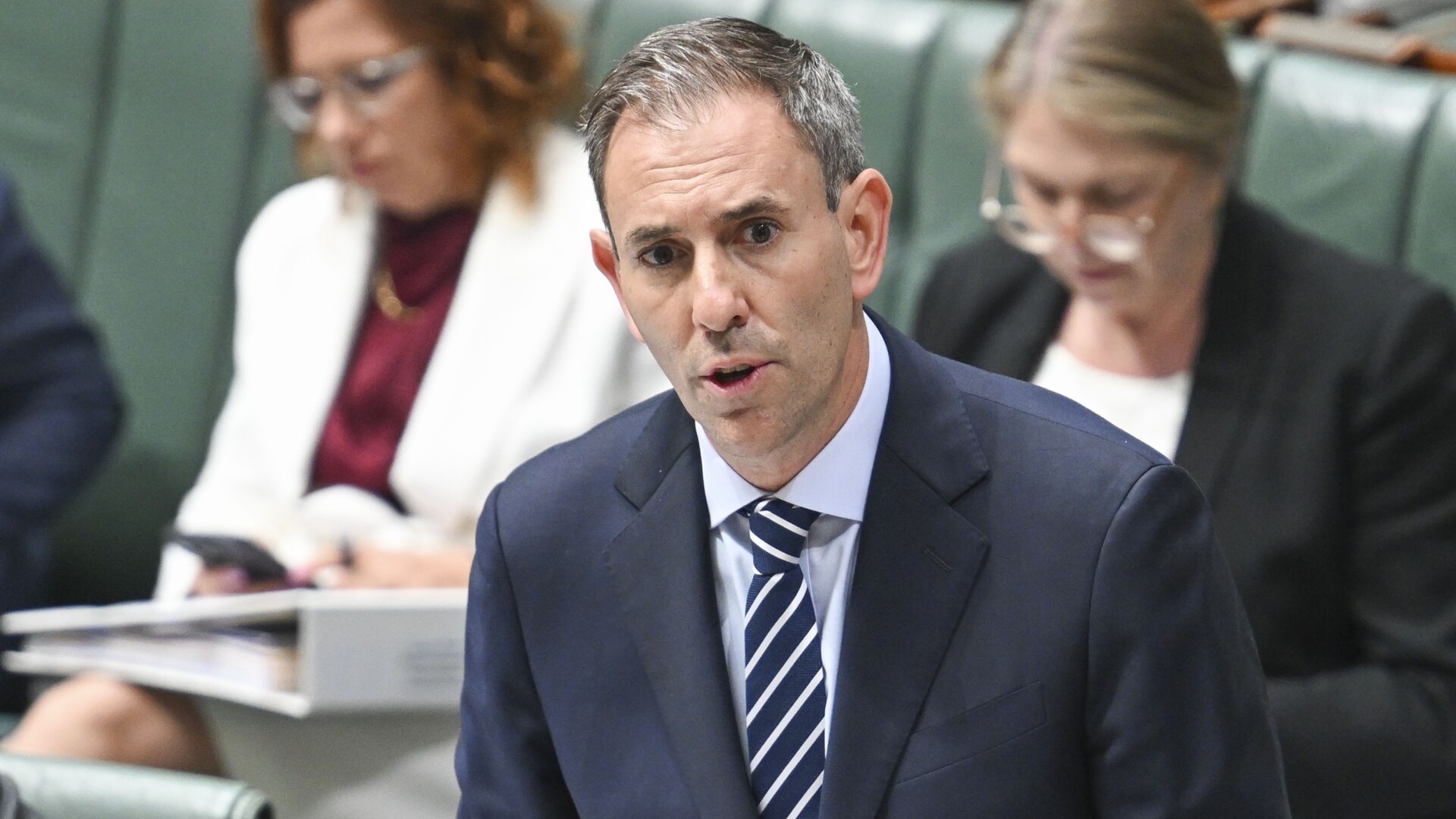
Mr Chalmers said ministers were in regular discussions with the fuel industry and agricultural groups including the National Farmers’ Federation.
“We know that whether it’s petrol, diesel or fertiliser, there are pressures on supply chains, not because the overall level of supply is deficient, but because there are pressures in very local areas,” he said.
“And so ministers in the government meet daily and confer regularly with the industry and the regulators to make sure we’re addressing these concerns.”