
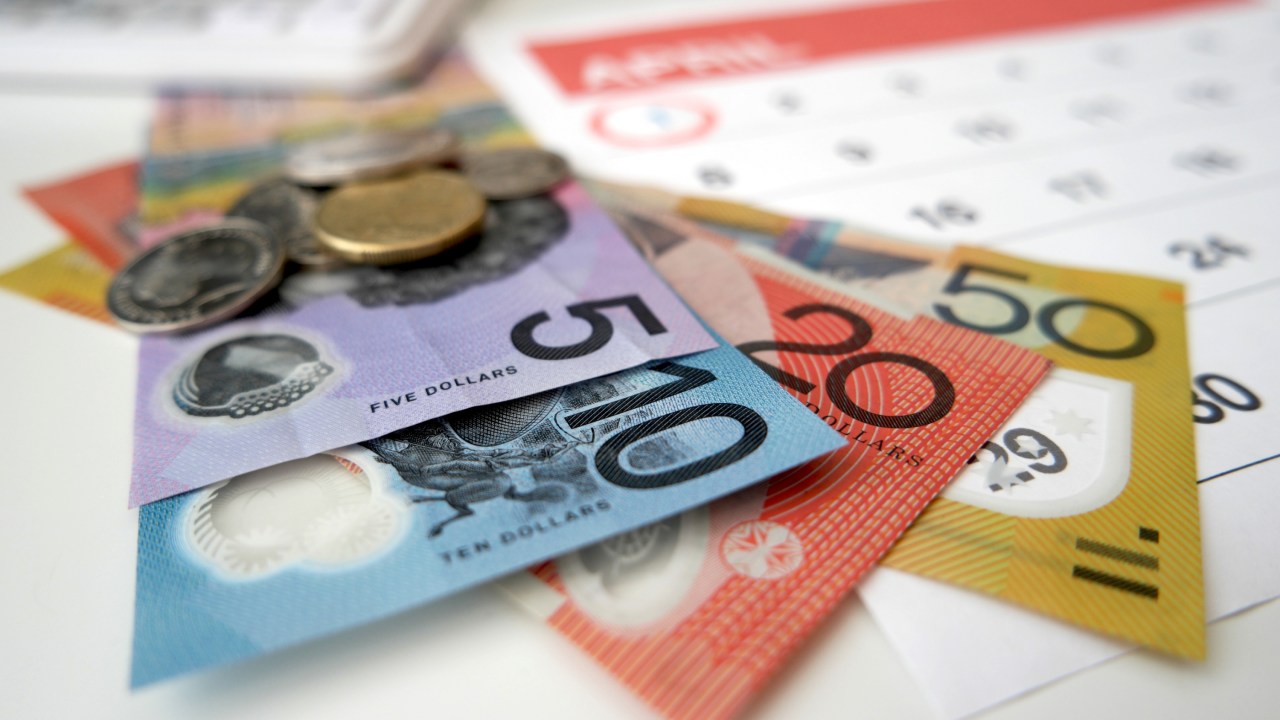
Australian households will have to pay an extra $272 per month compared to the start of the year if all four major banks’ interest rate calls are correct.
The cash rate is forecasted to rise again in March and May, bringing rates back to 4.35 per cent – where they were held for 15 months until February last year.
ANZ joined NAB, Westpac and Commonwealth Bank in predicting the Reserve Bank of Australia will hike two more times.
If this happens, a household owing $600,000 on their loan with 25 years remaining would face $272 more on their monthly repayments compared to the start of the year, according to comparison site Canstar.com.au.
A household with an $800,000 loan would pay an extra $363 per month, while those with a $1m loan would require an additional $453 in monthly repayments.
Canstar.com.au’s data insights director Sally Tindall said hawkish comments from the RBA had prompted the banks to update their predictions.
“CBA has joined NAB and Westpac in tipping another rate hike on Tuesday, following comments from the RBA’s Deputy Governor, Andrew Hauser, which reiterated the bank’s determination to rein in ‘toxic’ inflation,” Ms Tindall said in a statement.
“He did, however, acknowledge, more than once, that it would be a line-ball call, saying the Board has its work cut out for it next week.
“From a rate tracking perspective, the banks appear to be factoring in a hike.”
Analysis of Canstar’s database shows 20 lenders have increased close to 400 fixed rates in the past fortnight.
Meanwhile, 41 banks have hiked 184 term deposit rates.
“That’s two very loud canaries in the coal mine right there,” Ms Tindall said.
She urged mortgage holders to start preparing for higher rates and even look for alternative banks to limit the price pressures.
“Switch, haggle, do whatever it takes to get yourself on a lower starting rate in case the one rise we saw last month turns into a rate hike frenzy,” Ms Tindall said.
Expectations of consecutive rate hikes emerged after the United States and Israel struck Iran, sparking concerns oil prices would soar.
Crude prices peaked at US$119 per barrel after Iran blocked the Strait of Hormuz – where 20 per cent of the world’s oil transports through.
However, inflation was rising prior to conflict erupting in the Middle East.
Annual inflation was 3.8 per cent in January, well above the RBA’s two to three per cent target band.
Slow productivity, coupled with higher than expected GDP growth, large government spending and energy rebates rolling off were all major factors contributing to the rise.
Other leading economists and financial institutions are also predicting the RBA will hike next week.
Capital Economics’ Abhijit Surya said the price pressures mean the RBA will likely deliver back-to-back hikes in March and May.
“We expect the Reserve Bank of Australia to raise rates by 0.25 per cent at its meeting ending on 17th March,” he said in a statement.
“The conditions for a sustained acceleration in inflation were in place even before the Iran conflict broke out.
“With the spike in energy prices adding further pressure, the risk is that the Bank will fall further behind the curve if it doesn’t act decisively to tighten policy.”
UBS chief economist George Tharenou said the RBA will now lift the cash rate in March, changing his previous prediction that the central bank would not hike until May.
He noted that Australia’s strong GDP growth, alongside sticky inflation and low unemployment, “warrant further (and earlier) increases in the cash rate”.