
A leading voice in Formula 1 has explained the ‘deep financial implications’ that will flow from changing the rules in the wake of mass backlash from fans and drivers – and why it might not eventuate. Lando Norris and Max Verstappen have both bemoaned the changes made to the cars in F1 this year, stemming from a move to a more 50-50 petrol and electric engine.
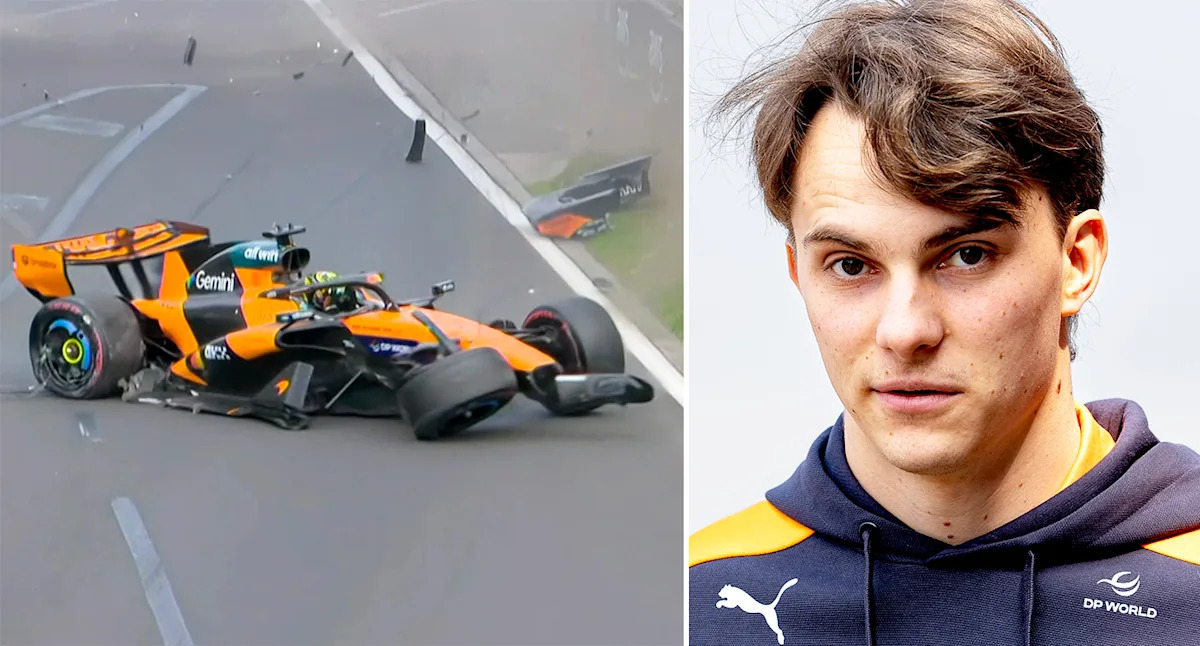
Oscar Piastri was undone by the new set-up at the Australian Grand Prix when he experienced a sudden burst of electricity that shot him into the wall after a slide on the reconnaissance lap on his way to the grid. The Aussie driver took the brunt of the blame publicly, but Mark Skiafe reckons it was 80 per cent the car’s fault.
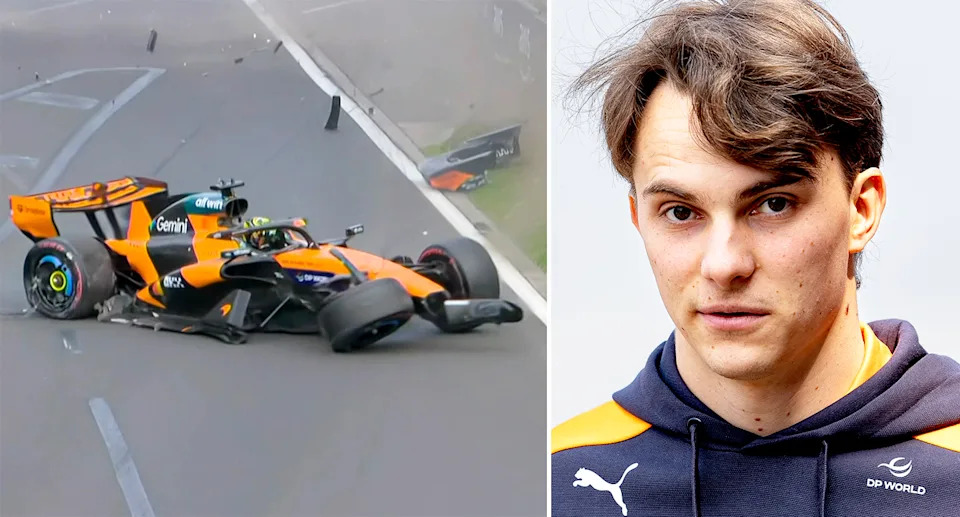
Oscar Piastri’s crash at the Australian Grand Prix has been blamed on the new car and set-up. Image: Fox Sports/Getty
Officials are being tipped to change – or at least tweak – the rules after this weekend’s Chinese Grand Prix, and dial back some of the alterations. But according to Mat Coch of PlanetF1, it might not be the fait accompli that many think it is.
Coch pointed out the F1 teams will all need to vote unanimously for changes to be ratified, and there might be pushback from those who have adapted to the new way faster. Changing the rules now could completely alter the driver standings come the end of the year and lead to commercial and financial ramifications.
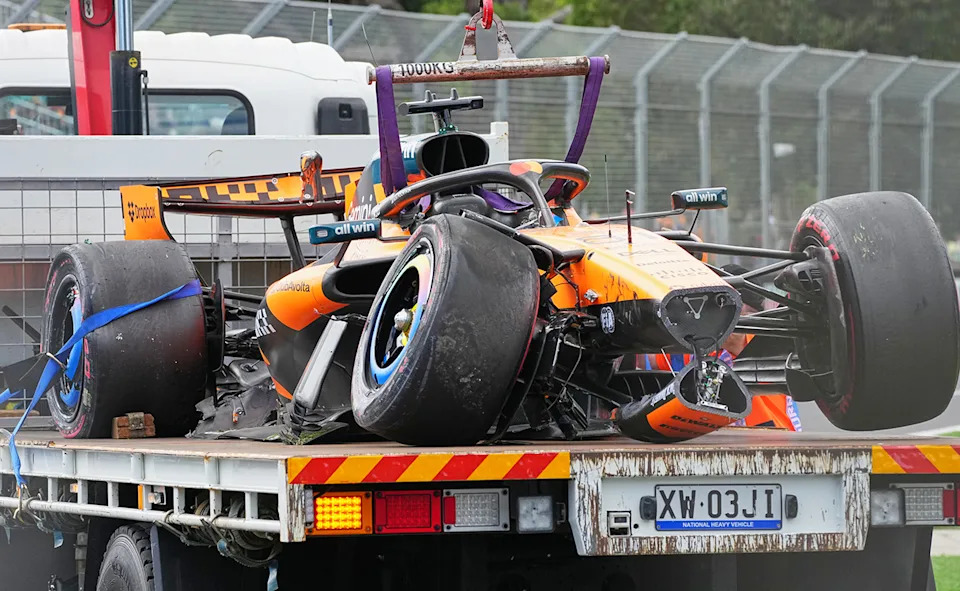
Oscar Piastri didn’t even make the starting grid at the Australian Grand Prix.
(AP)
“A post-Chinese GP change to energy recovery rules has the potential to have significant impact both on track and off it,” Coch wrote on Friday. “That’s because teams receive significant prize money based on the finishing order of the constructors’ championship.
“Should they agree to change the rules (it requires a unanimous vote at the F1 Commission), it could have a significant financial impact if a team becomes less competitive as a result. That’s before considering the marketing impact.
“Teams often have performance bonuses, and being at the front makes sponsorship deals easier to sign. So sorting out the current on-track energy recovery mess has deep commercial and financial implications. Unsurprisingly, some teams are more cautious than others.”
Mercedes might not want the changes
The clearest example would be if Mercedes aren’t as dominant as a result of the changes. George Russell and Kimi Antonelli were dominant in Australia, with the Mercedes drivers adapting to the changes the fastest.
But they could start to lose races and places if the other teams catch up as a result of rule tweaks. There’s been suggestions that some teams have been reluctant to agree to proposed changes in a number of areas, such as the tweak made to the starting procedure. F1 has been forced to introduce a new pre-race procedure to ensure the cars don’t suffer turbo lag due to the way the new engines are set up.