
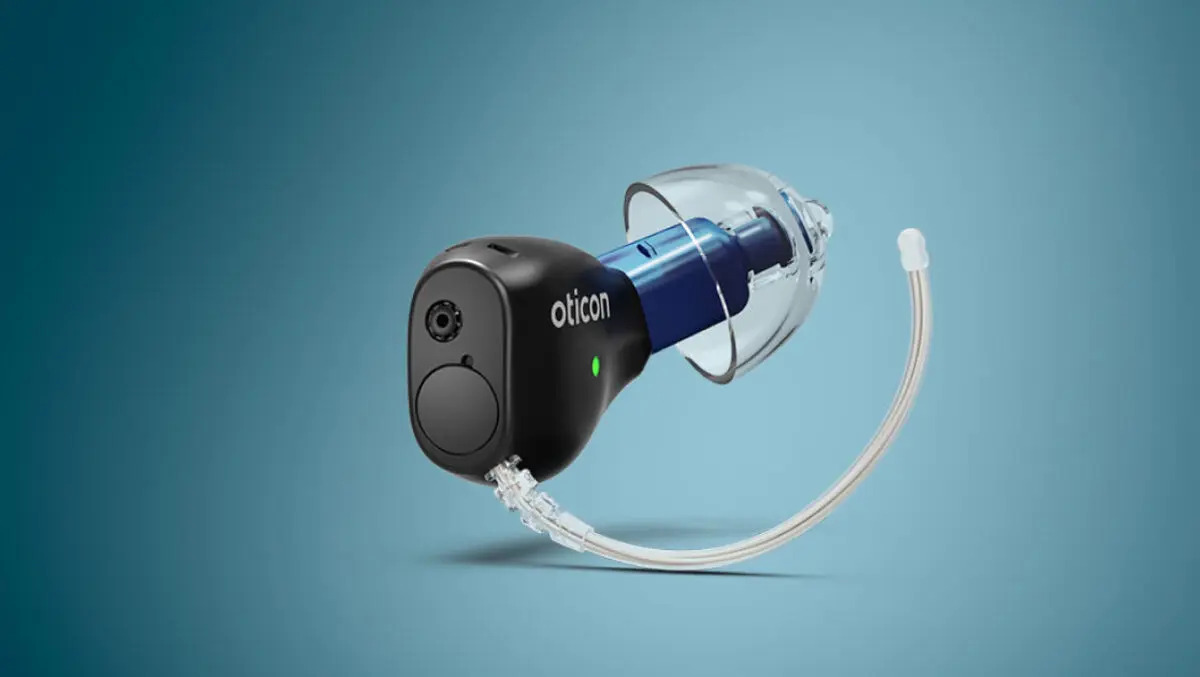
Audika Australia plans to introduce a new hearing device, Oticon Zeal, citing low adult hearing-screening rates and ongoing stigma around hearing aids.
The device is expected to be available through Audika clinics in the coming weeks, following a consultation with a hearing healthcare professional. Audika is positioning it within a broader shift in hearing technology towards smaller designs and more advanced processing.
Rates of hearing loss are rising in Australia, particularly among older adults. About 1 in 5 Australians lives with hearing loss, according to figures cited by Audika, and projections estimate the number could reach 7.8 million by 2060.
Prevalence increases sharply with age. Hearing loss affects around 1 in 2 people aged 50 to 60 and more than 80 per cent of Australians over 80, based on government figures cited in the release.
Testing gap
Survey findings commissioned by Audika suggest many adults notice changes in their hearing but do not follow up. In the 2026 Hearing Health Survey, 55.56 per cent of respondents reported difficulty hearing.
At the same time, 30.01 per cent said they had never had a hearing test, and 32.28 per cent said their last check was more than three years ago.
Amanda Brown, an audiologist at Audika, said the results reflect delayed intervention in clinical settings.
“We’re seeing a significant gap between acknowledgement and action. Despite Australians noticing hearing difficulties, more than three in ten people have never had a hearing test, and a third say their last check was more than three years ago,” Brown said. “In clinic, that translates to people presenting later than ideal, often after years of gradual change. So, the trend isn’t just about prevalence; it’s about delay. Hearing loss is common, but proactive management is not.”
Stigma persists
The same survey suggests negative perceptions of hearing loss remain widespread. Audika reported that 44.92 per cent of respondents agreed or strongly agreed there is a negative stigma associated with hearing loss or wearing aids, while 28.58 per cent said they felt neutral.
Among respondents who said they sometimes, often or always found it hard to hear in the past 12 months, many also reported emotional impacts. Audika reported that 43.66 per cent experienced frustration, 25.24 per cent embarrassment and 23.62 per cent feeling left out.
Brown described hearing loss as a gradual condition that can be easy to dismiss in its early stages.
“Psychologically, people often minimise early signs because hearing loss is gradual. It doesn’t feel urgent, and acknowledging it can feel confronting, which can lead to delays seeking support,” she said. “Our role as clinicians is to normalise hearing checks in the same way we do vision or dental care, making hearing health proactive rather than reactive.”
Technology shift
The planned launch of Oticon Zeal comes as hearing care providers and manufacturers push to modernise the category. Audika said the product uses advanced manufacturing processes and artificial intelligence-based features that adjust settings based on the environment.
Hearing devices increasingly rely on digital processing, with manufacturers focusing on automatic adaptation to different listening settings, such as busy hospitality venues and open-plan workplaces.
Thomas Behrens, global vice president of audiology and hearing aids research at Demant, said innovation is changing what users expect from hearing support.
“Today’s hearing technology is intelligent and responsive. It adapts in real time to the environments people move through each day,” Behrens said. “We’ve moved well beyond basic amplification to precision support designed around the individual.”
He also pointed to the gap between older perceptions of hearing aids and the current product landscape.
“There is still a lingering belief that hearing technology is bulky or limiting,” Behrens said. “In reality, innovation has changed the experience entirely. New hearing devices are created as fully featured products designed to meet the needs of the modern consumer. Ensuring Australians understand how far the technology has come is critical to overcoming hesitation and encouraging earlier action.”
Oticon Zeal will be offered through Audika’s clinic network in Australia and will require a consultation before purchase. Limited supply is expected in the initial release.