
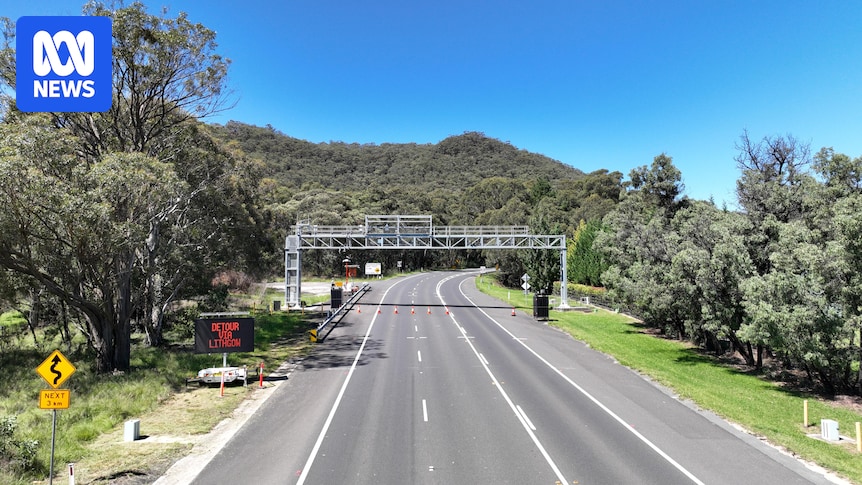
The Great Western Highway will remain shut for at least three months, with the New South Wales government warning the situation is “incredibly serious”.
It has announced additional trains, buses and coaches to help Blue Mountains and Central West communities with the closure of the main road link between Sydney and western NSW.
“This is not a short-term repair job,” Regional Roads and Transport Minister Jenny Aitchison said.
“I understand that this is difficult news, but people deserve honesty and they deserve clarity.”
Ms Aitchison has met with locals and visited the site last night and this morning.
Transport for New South Wales closed eastbound lanes along the Mitchell’s Causeway, also known as the Convict Bridge, after cracking was detected by staff last Thursday.
By early Monday morning the entire road was shut after further cracking and movement was detected in the 1830s bridge structure.
“We are dealing with a major geotechnical failure on a fragile and historic section of road, and it must be assessed and repaired properly,” Ms Aitchison said.
She said her “heart goes out” to small business owners in the region but warned people “could die on this mountain if we don’t act now”.
“I really do have your best interest at heart here but we have to put safety first.”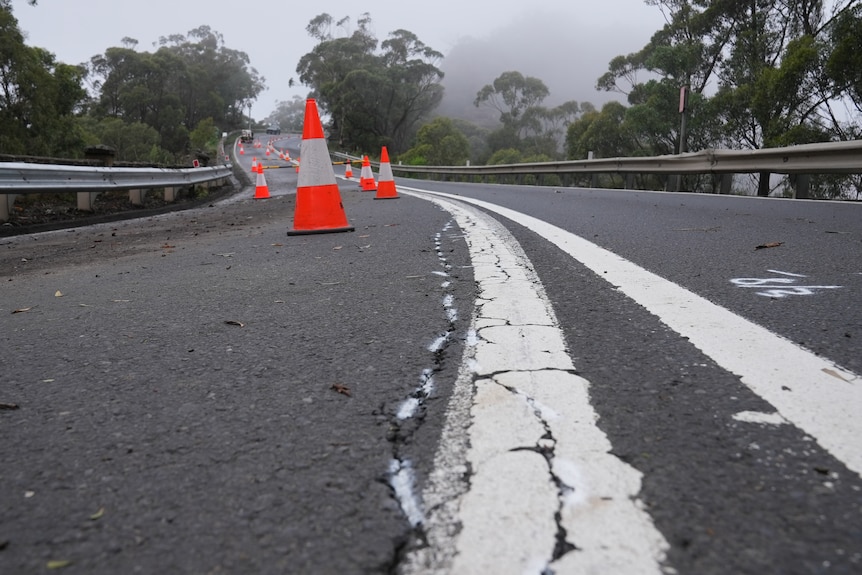
The Convict Bridge was built in the 1830s and is a key section of the Great Western Highway. (Supplied: Transport for NSW)
Westbound vehicles that ordinarily use the popular route are being redirected via Lithgow to the Bells Line of Road and the Darling Causeway.
Geotechnical crews are expected to take a fortnight to assess and determine the cause of the damage.
The government said “even under the most optimistic scenario” it would then take a further two months to make the road safe again for vehicles.
The closure has seen traffic banked up in the typically free-flowing streets of Lithgow.
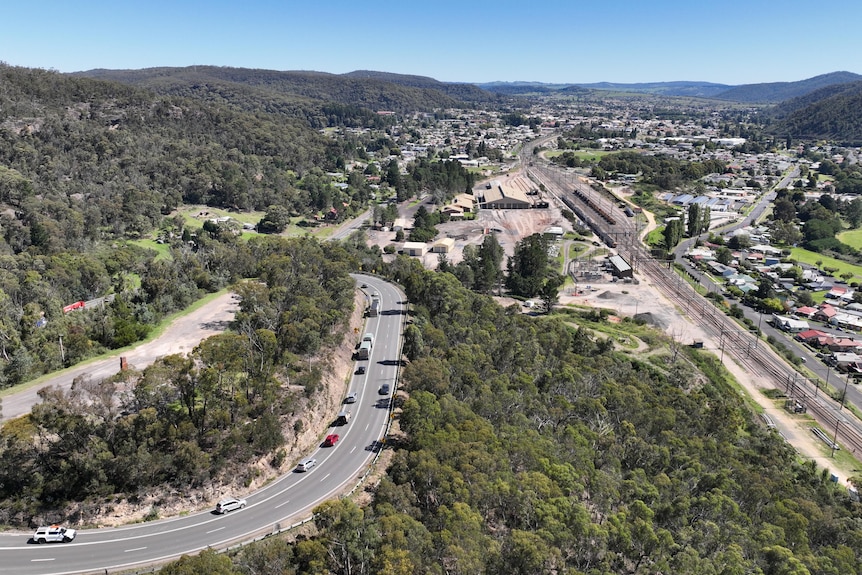
Bells Line of Road is the alternative route connecting Sydney and the central west. (ABC Central West: Xanthe Gregory)
Hundreds of trucks that would have typically driven along the Great Western Highway are being forced to use the windy bends of the Bells Line of Road, considered much less safe for heavy vehicles.
A tow truck is stationed at the base of the road to help trucks that lose traction on the climb.
Approximately 25 minutes is being added to journeys across the Blue Mountains, with motorists warned of much lengthier delays on weekends and holidays.
From today, additional public transport will begin.
Friday, March 13: amended school and regular bus services operated by Lithgow Buslines to reduce the impact of the closure on school childrenSaturday, March 14: two coaches will run 12 daily NSW TrainLink services between Bathurst and Katoomba, six in each directionSunday March 15: additional Sydney Train services between Bathurst and Mount Victoria (timetable details still being worked through)
Lithgow Mayor Cassandra Coleman called for a partisan approach to the solution that had diverted about 11,000 cars through the town daily.
“It’s my community that’s currently copping the brunt,” Cr Coleman said.
“We need solutions, we don’t need someone screaming from the rooftop,” she said.
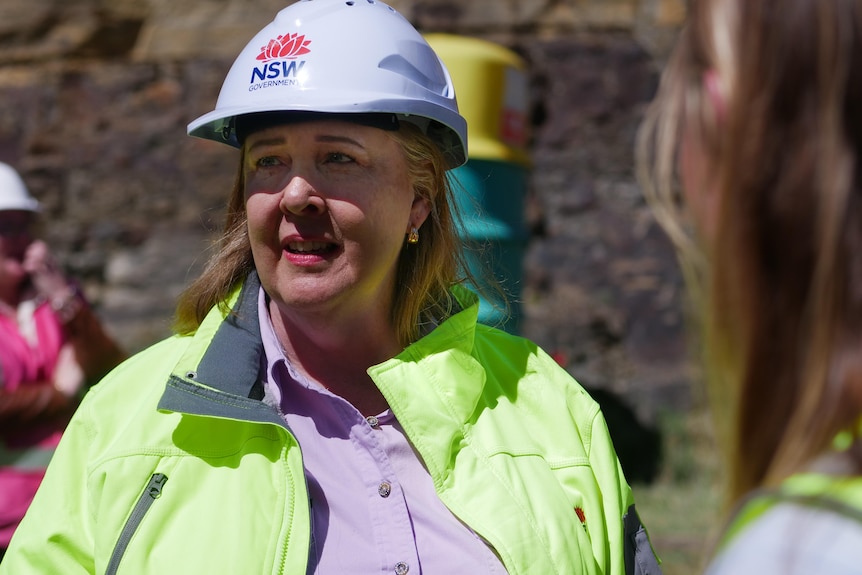
Jenny Aitchison warns the central west this period will be difficult and there is no easy fix. (ABC Central West: Lani Oataway)
The government has committed financial assistance to help the council maintain the road network, which is under significant additional pressure.
But the solution to reopening the Great Western Highway remains unclear.
Ms Aitchison said plans by her predecessor, Nationals Bathurst MP Paul Toole, for Australia’s longest road tunnel under the mountains were unachievable.
“I know the former minister used to talk about ‘it’s going to happen next week’, that wasn’t the case, they didn’t have the funding,” she said.
“It has to be worked through properly, and I’m not going to make false promises to the community that we’ve got a silver bullet on this — there is no silver bullet.”