

by croatiaweek
March 13, 2026
in

(Photo: ZOO Zagreb)
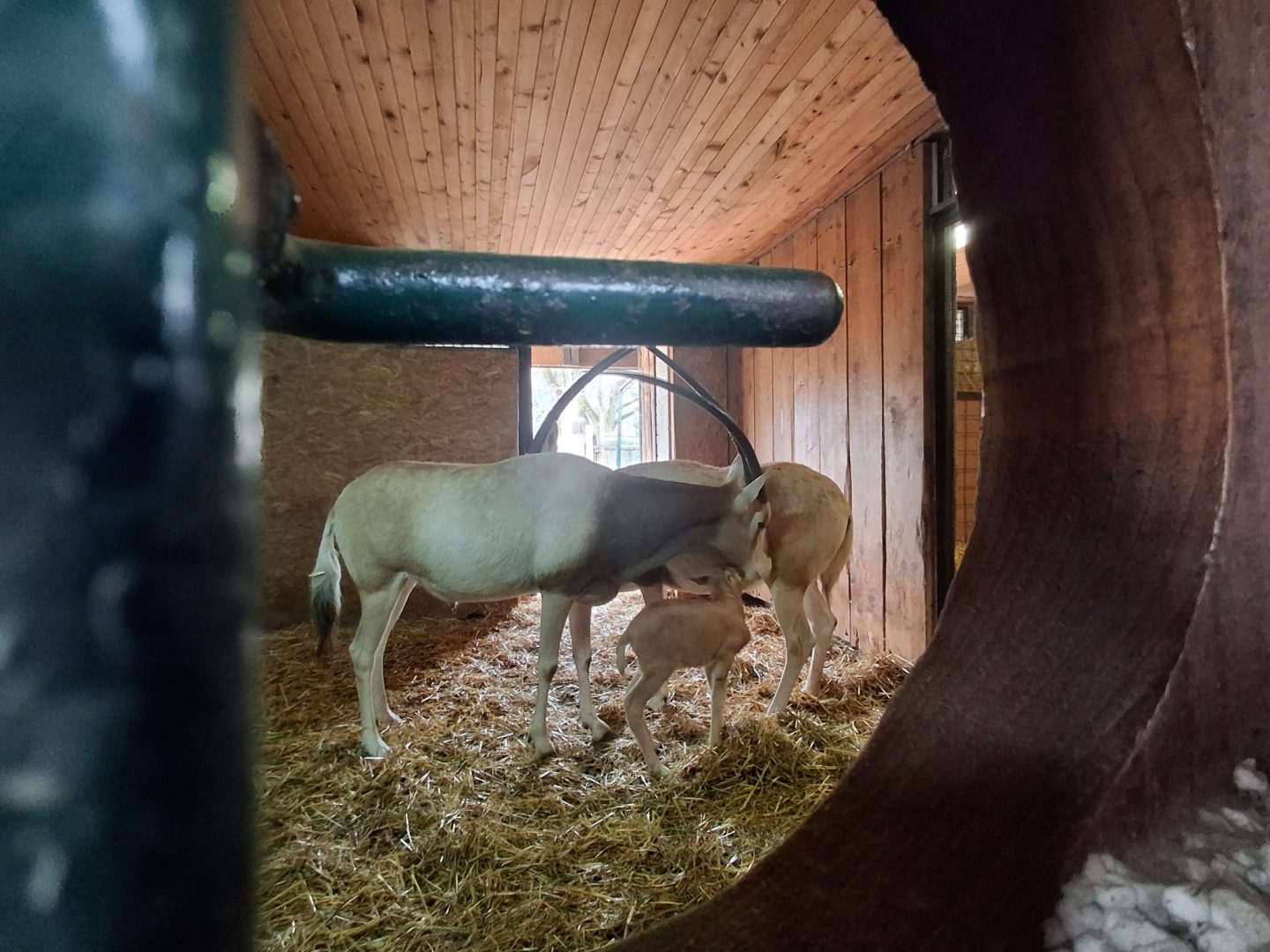
ZAGREB, 13 March 2026 – The herd of scimitar-horned oryx at the Zagreb Zoo has welcomed a new addition after a calf was born on 26 February, coincidentally on World Pistachio Day.
Veterinarians and keepers decided to name the young calf Pistacio, inspired by the date of its arrival.
The newborn received close attention from the zoo team in its first days. Initially, the calf did not start nursing straight away, prompting staff to monitor it carefully, even using cameras to ensure it was feeding properly.
Once Pistacio began drinking milk and showing healthy development, keepers were able to relax.
“We are proud of our breeding programme for scimitar-horned oryx,” said Ivan Cizelj, director of the Zagreb Zoo institution.

Pistacio (Photo: ZOO Zagreb)
“This species arrived in Zagreb in 2000 and has been breeding successfully here since 2002. Over the past three years we have welcomed a calf every year. Each birth is valuable because this species was once extinct in the wild and represents one of the best examples of what humans can achieve in conserving endangered animals.”
A global conservation story
The scimitar-horned oryx, native to the semi-desert and desert regions of North Africa, was once classified as extinct in the wild on the Red List of the International Union for Conservation of Nature (IUCN).
Through extensive captive breeding programmes in zoos and conservation centres around the world, the species has gradually been reintroduced into protected areas in several African countries.
In the past three years its conservation status has improved to Endangered, marking an important step forward in global wildlife restoration.
The herd at Zagreb Zoo now numbers seven animals.
(Photo: ZOO Zagreb)
Pistacio’s father is four years old and was born in Leipzig before arriving in Zagreb from Zurich. His mother, aged six, was born in Amsterdam and later transferred to Zagreb as part of the international breeding programme.
Other members of the herd include females that arrived from Athens and Gdańsk, as well as two animals born in Zagreb.
A protective mother and an energetic calf
According to keeper Ivan Šarić, Pistacio’s mother has shown strong protective instincts since the calf’s birth.
“She is extremely caring and protective. Whenever a person approaches – even one of us she knows well – she positions herself between them and the calf,” Šarić explained.
While last year’s female calf was calm and gentle from the start, Pistacio has already shown a very different personality.
“He is quite the little rascal. The female born last year behaves very calmly and almost ladylike, while Pistacio is much more lively and adventurous,” Šarić added.
The young calf has already begun exploring the outdoor section of the enclosure, where visitors can easily spot his energetic and curious behaviour.
Hope for the future
The birth of Pistacio is another small but significant milestone in the global effort to restore the scimitar-horned oryx population.
Sign up to receive the Croatia Week Newsletter