
Australians could be spending hundreds more a month due to the war in Iran, as Treasurer Jim Chalmers warned already-high inflation may climb towards five per cent.
Chalmers is factoring in increasing oil prices into the May federal budget and said current estimates have the current 3.8 per cent inflation rate surging even further past the two to three per cent target.
“We’ve run a couple of scenarios which make it clear on some realistic assumptions about global oil prices and how that would potentially flow through to inflation and for how long,” he told Sky News.
 Treasurer Dr Jim Chalmers. (Alex Ellinghausen)
“If we were putting pencils down on those forecasts today, we’d have inflation peaking somewhere between the mid to high fours.”
Chalmers, however, brushed off expectations of a recession.
The federal and state governments have called emergency roundtables to discuss how the increased price of fuel could cause flow-on effects from retailers and distributors to consumers.
“Shipping companies are rightfully nervous at the moment, and as long as they’re nervous, the markets are nervous, people are buying fuel and at an increased rate,” Nine political editor Charles Croucher told Today.
“It all serves to push up prices even further beyond all that.”
The global conflict will form part of the discussion when the Reserve Bank meets next week to set the interest rates.
All four of the big banks have tipped that there will be another rate increase.
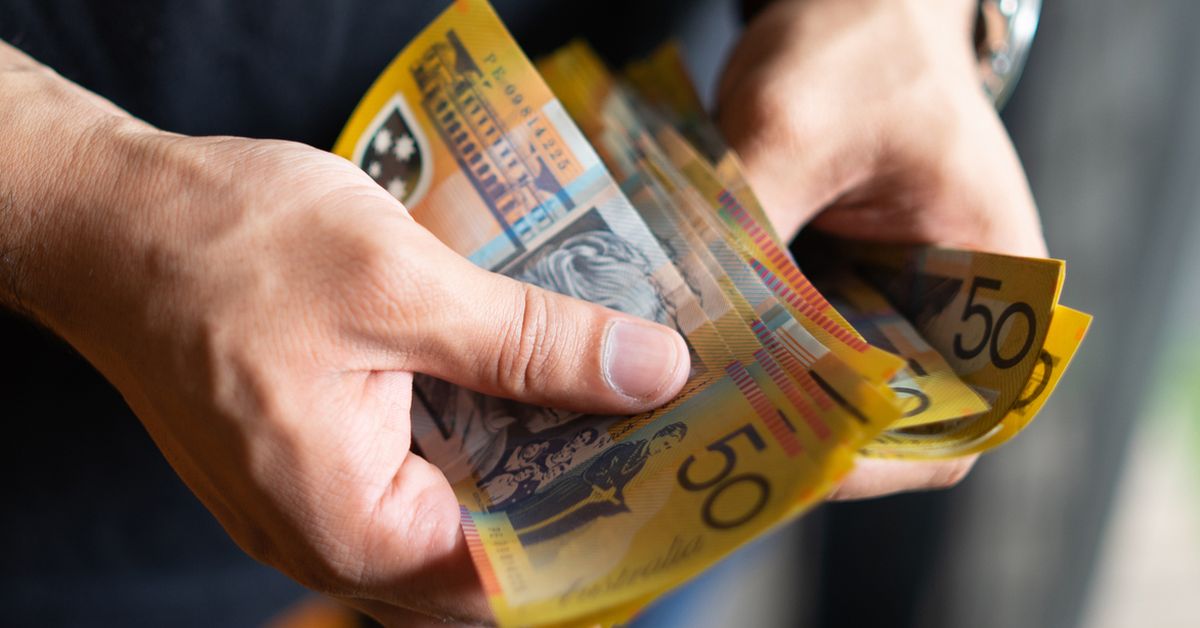
 Aussies could be forking out hundreds more a month. (Getty Images/iStockphoto)
Croucher said this could leave the average person paying an estimated $220 more a month on rising home loans, fuel and groceries.
The war in Iran has entered its third week, cutting off the Strait of Hormuz that typically allows one-fifth of the world’s oil supply to pass through to markets.
He said the conflict should be over soon, but warned that it could continue longer if necessary.
Australia, which imports 90 per cent of its oil, has also released 20 per cent of its petrol and diesel reserves to help areas experiencing low supply.
Energy Minister Chris Bowen this week confirmed the country has 1.6 billion litres of petrol, 2.7 billion litres of diesel and 800 million litres of jet fuel available – translating to 37 days’ worth of petrol, 30 days of diesel and 29 days of jet fuel.
NEVER MISS A STORY: Get your breaking news and exclusive stories first by following us across all platforms.