
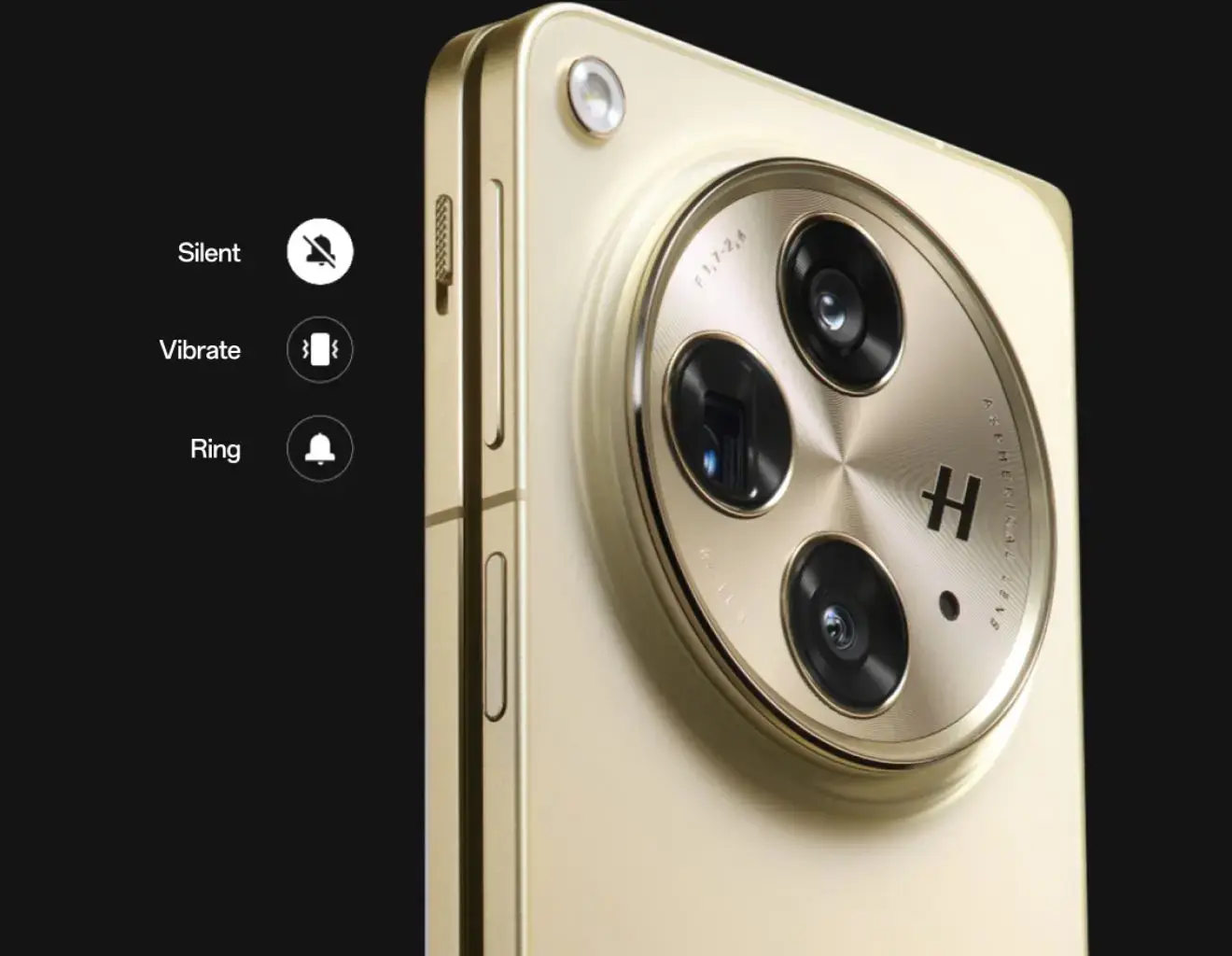
The battle for dominance in the rapidly expanding foldable smartphone market is set to intensify this week as Oppo prepares to launch what it claims is the world’s flattest foldable device — the Find N6.
The new device, which will compete directly with Samsung’s Galaxy Fold range, is expected to arrive in Australia through JB Hi-Fi, Vodafone and Oppo’s own online store, with pre-orders anticipated shortly after the global launch event in China on Thursday.
Industry observers say the launch signals the beginning of a new phase in the foldable market, with manufacturers racing to solve one of the category’s biggest challenges — the visible crease in the display.
Oppo Targets the Crease Problem
At the centre of Oppo’s strategy is a newly engineered hinge designed to deliver a flatter folding display.
The Find N6 introduces a next-generation titanium alloy “dome hinge” that departs from traditional three-axis folding systems. Instead, Oppo has developed a biomimetic four-axis hinge structure built using chip-level polymer 3D printing technology.
According to the company, the design reduces hinge surface variations from 0.18mm to just 0.1mm, allowing the display to maintain a much flatter structure across the folding area.
Oppo engineers have taken the process further using 3D liquid printing technology to refine the hinge surface.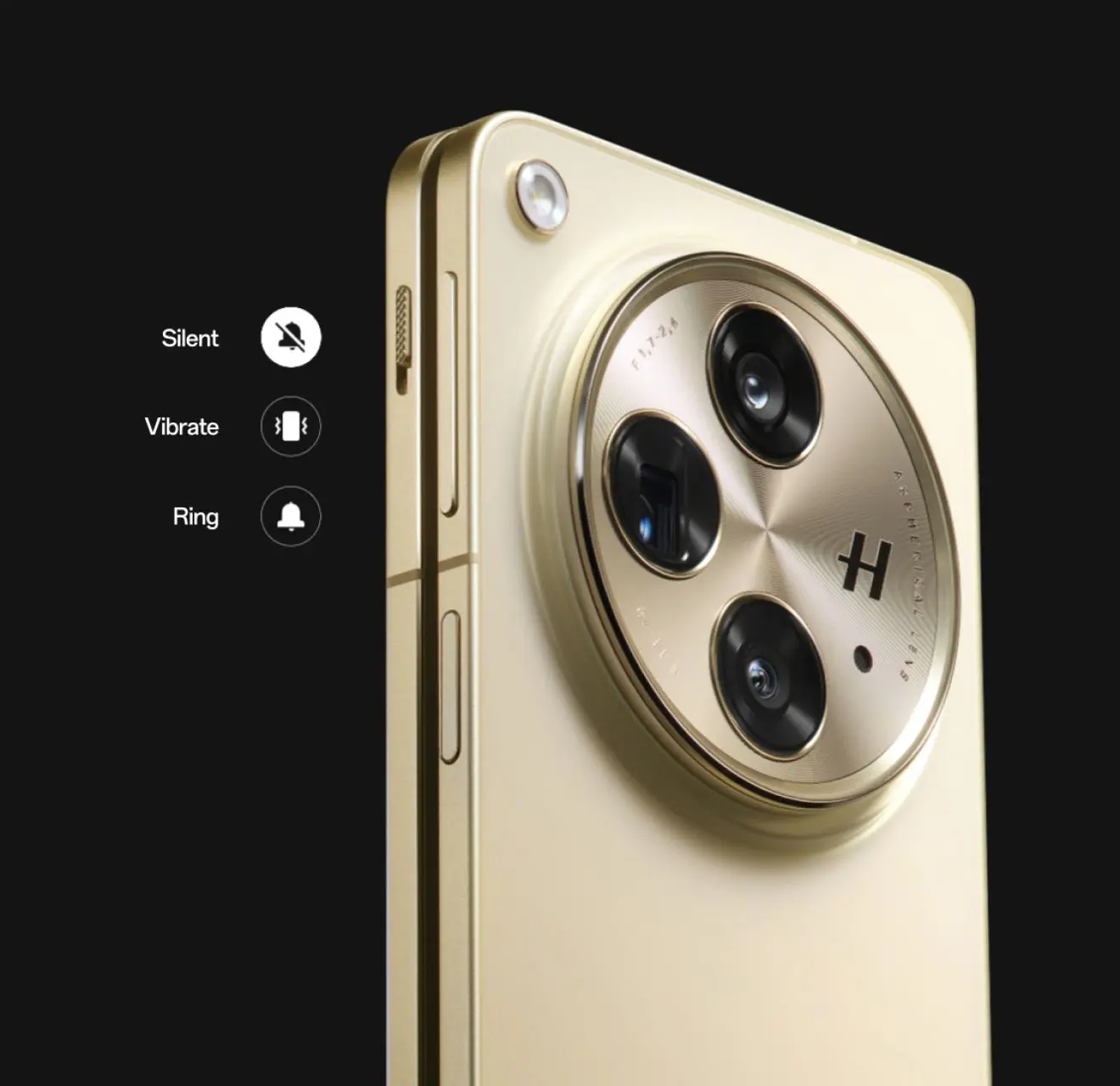
Each hinge is scanned by laser to detect microscopic uneven points before a photosensitive polymer is printed into the gaps and hardened with ultraviolet light. The process is repeated more than 20 times, reducing surface variations to 0.05mm — thinner than a human hair.
The result, Oppo claims, is a significantly smoother folding action and a noticeably reduced crease.
Premium Hardware Push
The Find N6 is expected to be powered by Qualcomm’s Snapdragon 8 Elite Gen 5 processor and feature a large OLED display.
Despite ongoing global memory shortages, Oppo plans to ship the device in multiple configurations including:
12GB / 256GB
16GB / 512GB
16GB / 1TB
Other features expected to drive the device un the premium category include AI Pen stylus support and a 200-megapixel Hasselblad-tuned camera system.
The foldable will launch in three colours: Deep Black, Original Titanium and Golden Orange, the latter drawing comparisons with Apple’s latest iPhone Pro finish.
Motorola Under Pressure
The aggressive push by Oppo comes as Motorola attempts to reposition its foldable Razr line as a premium competitor.
However, the Lenovo-owned brand faces growing pressure from both Samsung and new Chinese entrants.
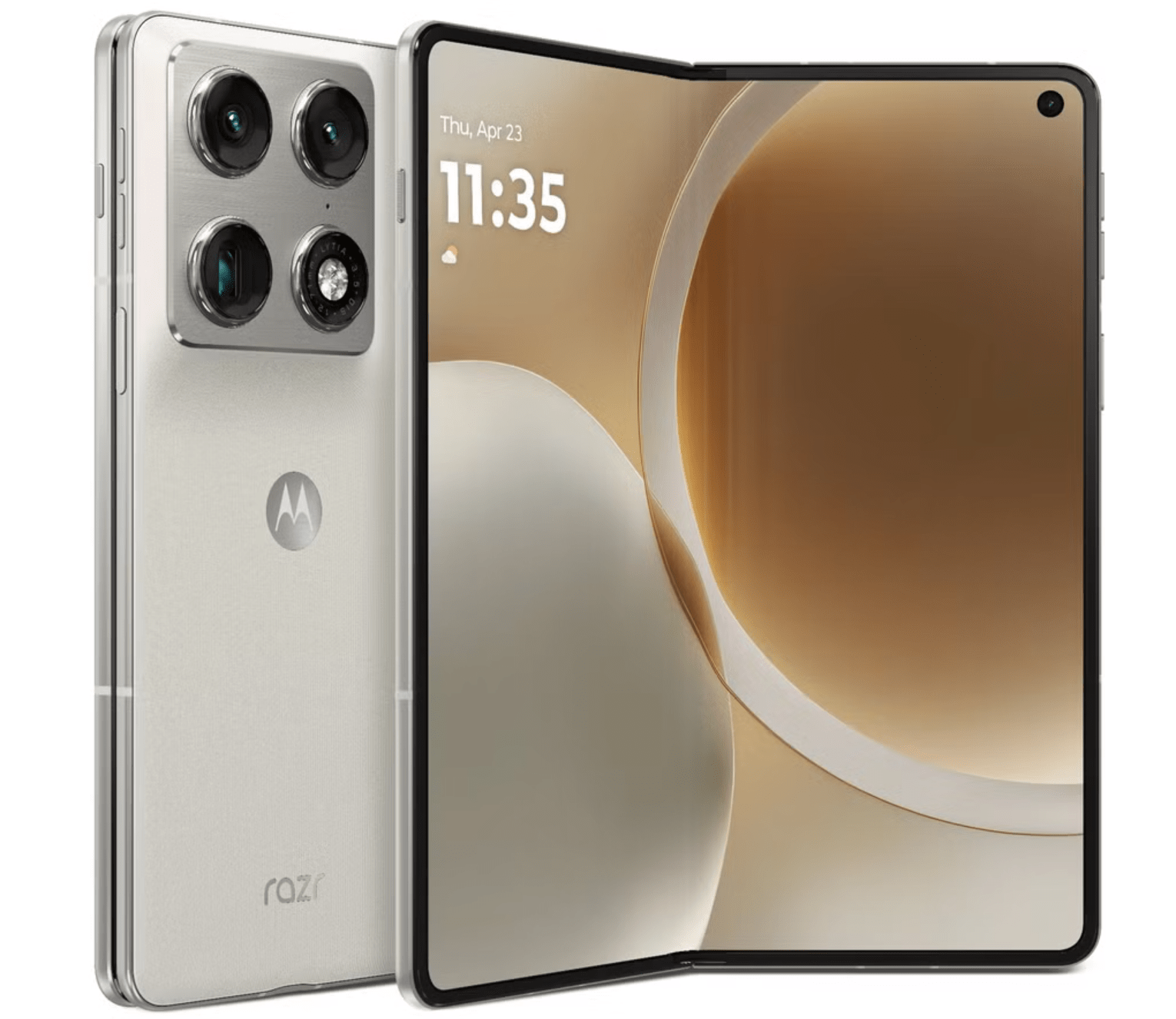
Motorola Razr Fold house current technology that is set to be superceded by New Samsung and Oppo Fold technology, still worth considering based on price if eventually launched in Australia.
Motorola has yet to announce Australian availability for its latest Razr foldable, despite quietly pitching the device to carriers and retailers.
Industry sources say Motorola’s challenge is compounded by rising component costs, particularly memory. With Samsung manufacturing its own memory chips, rivals such as Motorola face price increases that could double memory costs, which account for roughly 35% of a smartphone’s build price.
Motorola has claimed the new Razr features the brightest display and highest refresh rate of any foldable, but those claims may quickly be tested once Oppo’s new device hits the market.
Samsung Preparing Counterstrike
Meanwhile Samsung, the dominant player in foldables, is expected to unveil the Galaxy Z Fold 8 in July 2026.
The next-generation device is rumored to feature a major redesign including a wider “passport-style” display, a 200-megapixel camera, and a 5,000mAh battery. It is also expected to use the Snapdragon 8 Elite Gen 5 chip and support stylus input with enhanced display durability through Gorilla Glass Ceramics 3.
New Materials Enter the Fight
Oppo is also introducing a new display material called Dome Memory Glass, designed to maintain screen flatness even after repeated folding.
The company claims the flexible glass is three times stronger than conventional foldable glass and capable of restoring 99.9% of its original shape after bending.
According to Oppo, the Find N6 has passed 600,000 folding cycles and received TÜV Rheinland certification for crease performance, positioning the device as one of the most durable foldables yet.
Price Still Unknown
While the specifications suggest Oppo is targeting the premium tier of the foldable market, the company has yet to announce official pricing.
With Samsung preparing its next flagship foldable and Apple widely tipped to enter the category later this year, analysts say the launch of the Find N6 could mark the beginning of a full-scale global battle for foldable smartphone leadership.