

The portfolio has performed pretty well and it’s now worth about €8,500. But I’m worried about a stock market crash.
Should I move my funds out of Revolut and make an additional voluntary contribution (AVC) to my personal retirement savings account instead, so I could benefit from tax relief?
Carl, Co Kildare
A The Bold Stack is one of five model portfolios offered through Revolut’s Robo-Advisor service. It’s designed for investors with a medium-to-long term horizon who’re comfortable with above-average volatility in exchange for higher growth potential.
Before deciding whether to move out of this investment, you should first consider how quickly you might need access to this money and how comfortable you are with potentially sharp falls in value over short periods.
The second issue is whether to make AVCs to your PRSA. Tax relief on pension contributions is subject to age-related percentage limits of your earnings, as well as an earnings cap.
If you cash in your Bold Stack investment, the sale proceeds themselves are not “earnings” for pension purposes, but you can still use them to fund AVCs to your PRSA, in which case income tax relief will depend on your level of taxable income and your remaining age-related allowance.
As you won’t be making this contribution through payroll, you’d need to claim tax relief directly from Revenue.
If you’ve decided that the risk profile of your Bold Stack portfolio is no longer appropriate, one option is to redirect your regular savings into AVCs or your PRSA instead. This would allow you to reduce your risk while potentially benefitting from income tax relief, provided you remain within the relevant Revenue limits.
‘Will home insurance cover the expensive fridge-freezer I damaged?’
Q I accidentally damaged the door on our smart fridge-freezer while moving furniture around the kitchen. The appliance is fairly new, and it was expensive. Would my home insurance cover it?
Eileen, Co Mayo
A Whether this damage is covered will depend on the type of cover included in your home insurance policy. Accidental damage caused during everyday activities is only covered if your policy includes accidental damage cover.
Many home insurance policies do not have this cover as standard; it’s typically an optional extra. Unless this protection is in place, a claim for a one-off mishap may not be covered.
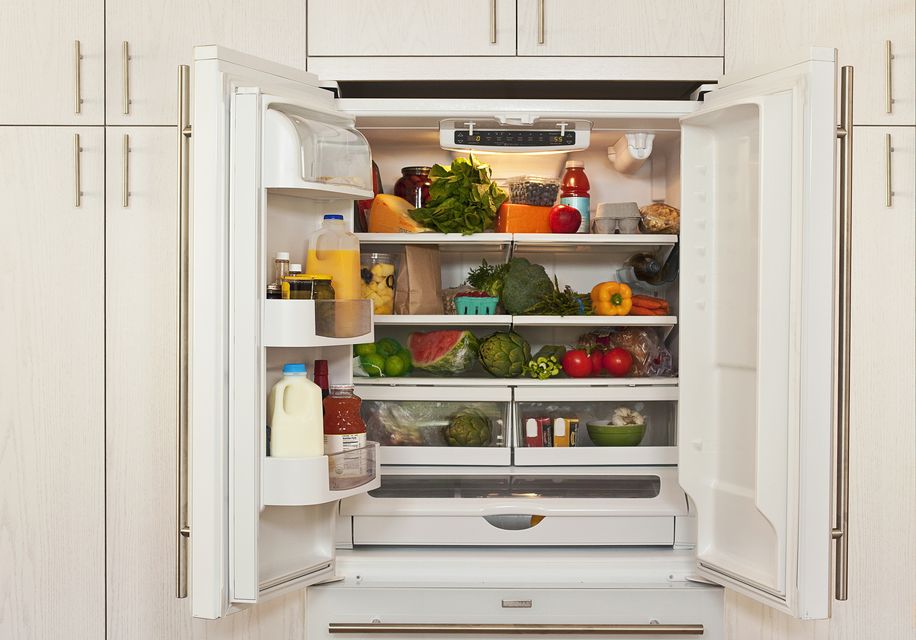
It’s worth reviewing your home insurance from time to time. Photo: Getty
It’s also worth checking how your insurer classifies the fridge-freezer. In most cases, it will be treated as part of your “contents” rather than part of the building, and accidental damage would specifically need to apply to contents cover.
Having accidental damage for the structure of the home doesn’t mean your contents are automatically covered.
Before making a claim, check your policy excess and any limits that apply to individual items. For high-value appliances, the excess could reduce or outweigh the benefit of filing a claim.
Situations like this do happen, which is why it’s worth reviewing your home insurance from time to time, particularly if you’ve invested in expensive appliances.
‘What is my daughter required to do if she is in a car accident?’
Q My 19-year-old daughter is currently learning to drive, and she’s quite anxious about what to do if she’s ever in a car accident. What are the correct steps to take at the scene, and what’s required from an insurance perspective?
Zuzanna, Co Louth
A All drivers should know what to do in the event of an accident. The immediate priority is safety, but the right actions at the scene will also help avoid complications when making an insurance claim.
If the accident occurs on a busy road or dangerous location, move to a safe area. If the collision is minor and the vehicles can be driven, they should be moved to the side of the road. Switch on the hazard lights.
Check for injuries and call emergency services if necessary. If gardaí attend the scene, request an accident report number.
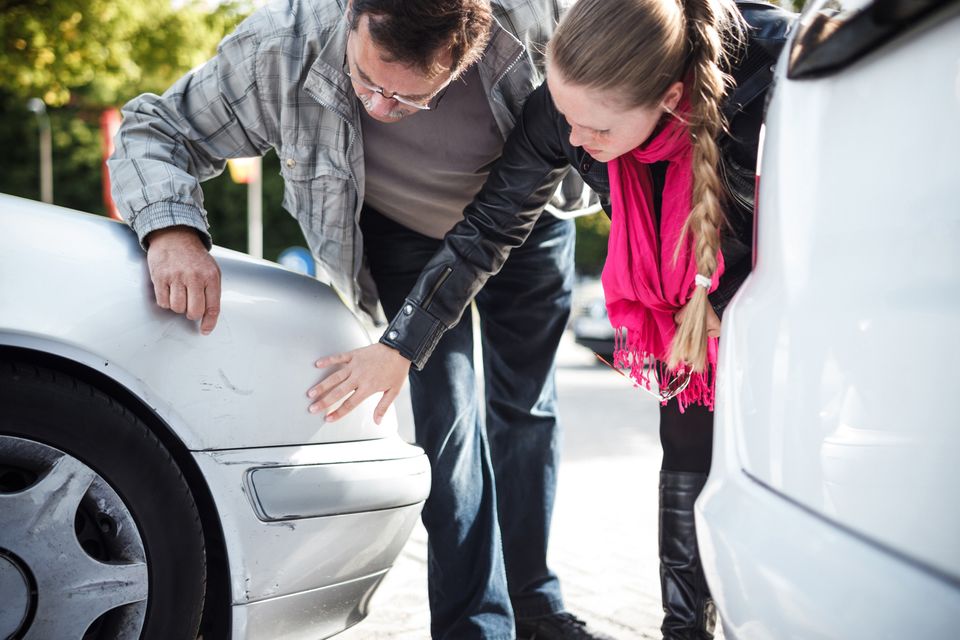
The immediate priority is safety. Photo: Getty
For insurance purposes, it’s a legal requirement to exchange the following details with any other drivers involved in an incident: vehicle registration, make, model and colour; driver’s name and contact details; insurance provider and policy number; and details of any passengers.
If safe to do so, take photos of the scene, vehicle damage, and road conditions.
Do not admit fault or accept responsibility at the scene, as liability will be determined by insurers.
And you should report the accident to your insurer or broker as soon as possible.
David Funcheon is a specialised investment adviser, financial planner and branch manager at Ask Acorn. Email your questions to gabrielle.monaghan@independent.ie