
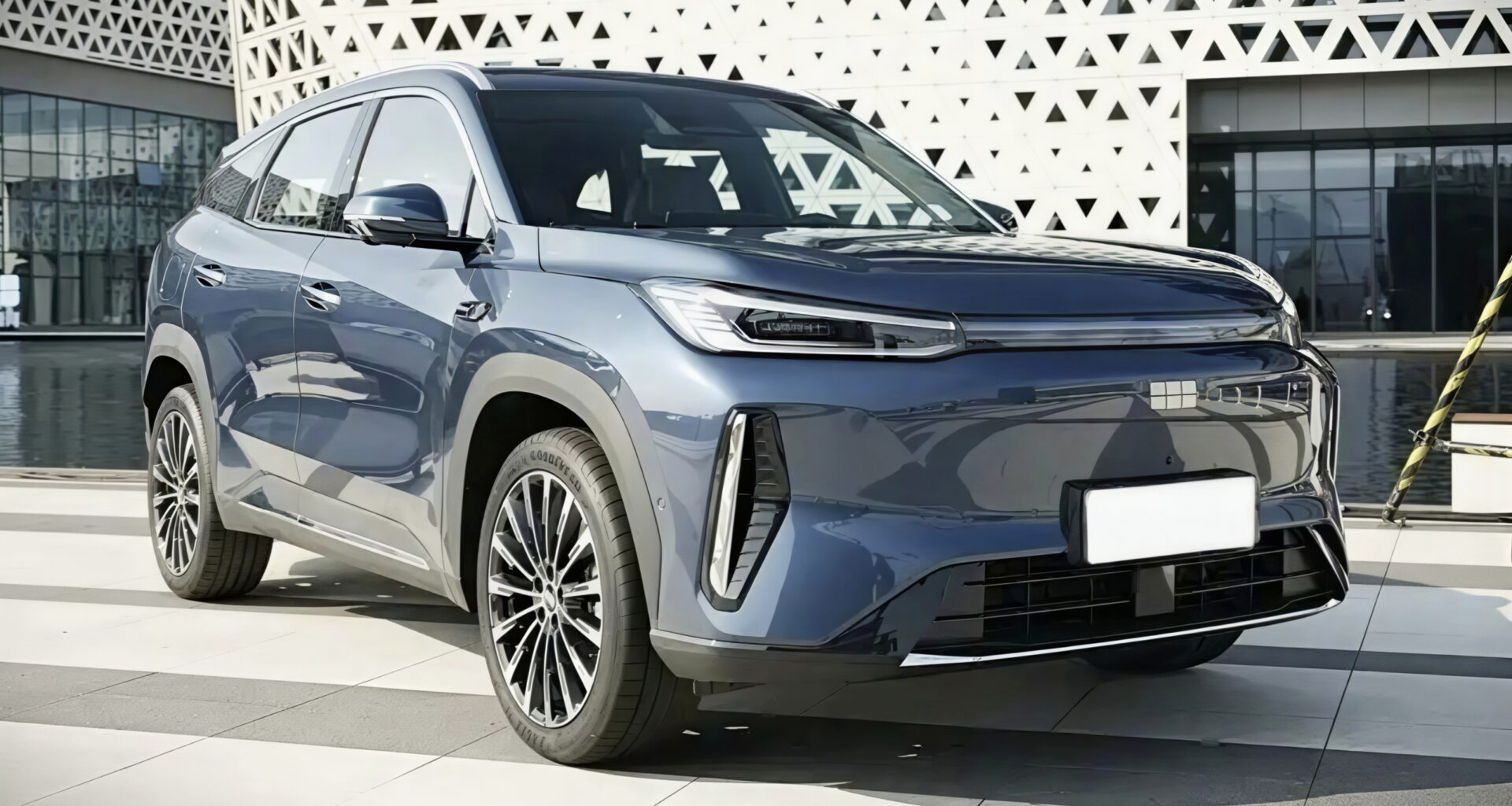
The Geely Galaxy M7 made its technical debut in China, marking the first mid‑size PHEV in the Galaxy M series. Its launch highlights a focus on extended electric range and high combined efficiency, with a 225 km CLTC pure-electric range and a 1 ,730 km total range. The vehicle is expected to go on sale in April, according to Autohome.
Technical Overview
The Galaxy M7 deploys a 1.5-litre plug‑in hybrid system combining a naturally aspirated engine rated at 82 kW with an electric motor. Its 29.8 kWh lithium iron phosphate battery underpins the 225 km CLTC pure electric range, while full fuel and electric capacity extend the total range to 1 ,730 km, cycle not stated in the source.
The SUV’s Aegis Golden Brick battery integrates a high‑efficiency thermal management system and fast charging capability. Additional technical highlights include a 47.26 % thermal efficiency EM hybrid engine and the Star Intelligence 2.0 cloud‑powered energy management system, designed to reduce fuel consumption by 15 % and thermal losses by 30 %.
Product Context
Exterior design references the Galaxy M9, with a through‑type LED front light bar, dual‑tone body, and visual‑sensing tailgate. Dimensions measure 4,770 mm in length, 1,905 mm in width, 1,685 mm in height, and a 2,785 mm wheelbase. Cabin features include a floating touchscreen, a full LCD instrument panel, the Flyme Auto system, 256-colour AI ambient lighting, a 23‑speaker Flyme Sound setup, and a 50 W wireless charger. Rear seats fold 4:6 for cargo flexibility.
Market Positioning
The M7 targets the 10–15 million yuan (approximately 1.45 million – 2.18 million USD) PHEV family SUV segment (no official price announced), aiming at users seeking long-range electric commuting and minimal fuel use. Its 225 km electric capability is intended for urban weekly commutes, while 1 ,730 km combined range mitigates range anxiety during longer trips. Competitors include the BYD Song Pro DM‑i and Song PLUS DM‑i, against which the M7 emphasises extended EV operation and family‑oriented cabin space.
Industry Context
The Galaxy M7 was first revealed in a Chinese regulatory filing in December 2025, which detailed its dimensions, core PHEV layout, and curb weight, setting expectations for production‑ready specifications.
A CarNewsChina report from February this year highlighted that the Galaxy M7’s 3.35 L/100 km fuel consumption with a depleted battery places it among the most efficient mid‑size PHEVs in China, benchmarked against market rivals.
Outlook
Geely will need to demonstrate that the Galaxy M7 meets its published specifications, including pure electric range, combined range, and fuel efficiency, under real-world driving conditions. Independent verification of these metrics will be critical for assessing the vehicle’s performance relative to other mid-size family PHEVs.
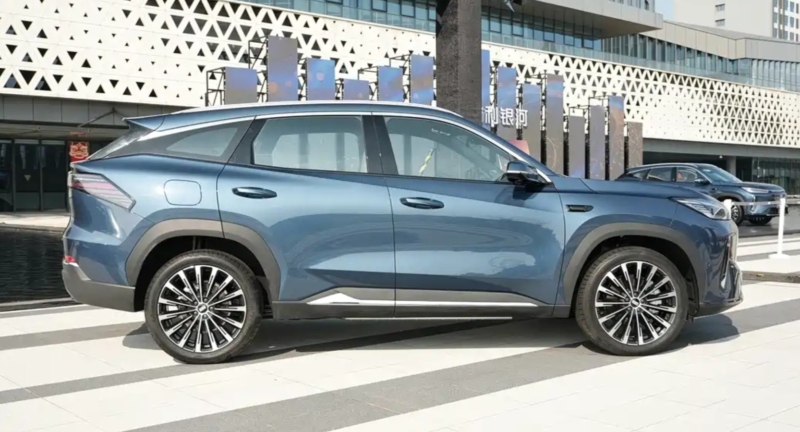
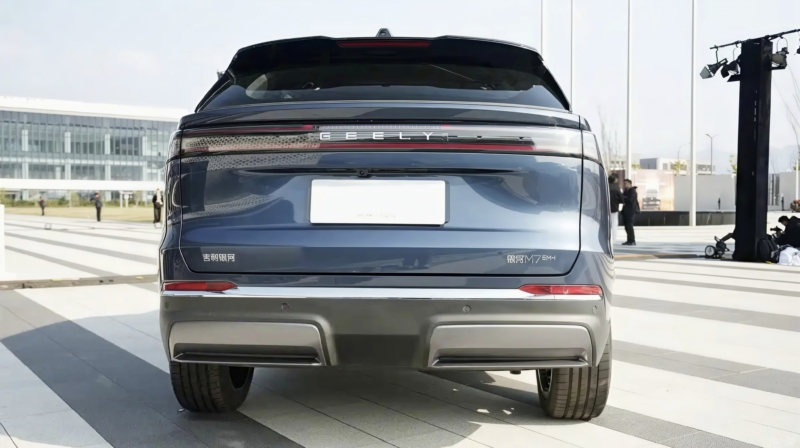
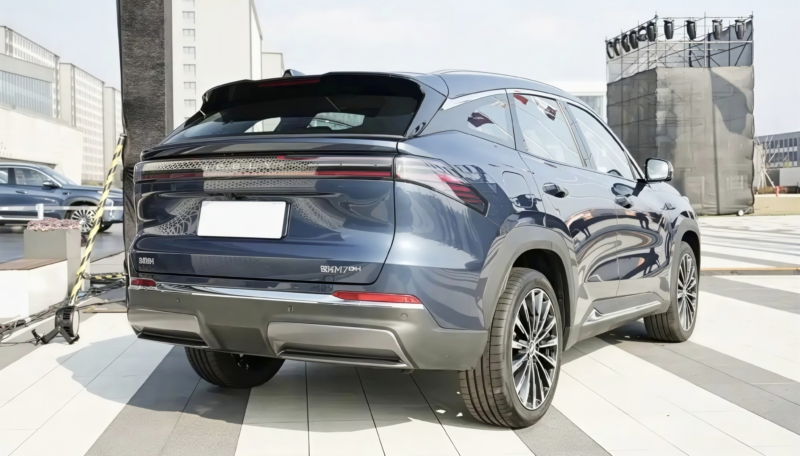
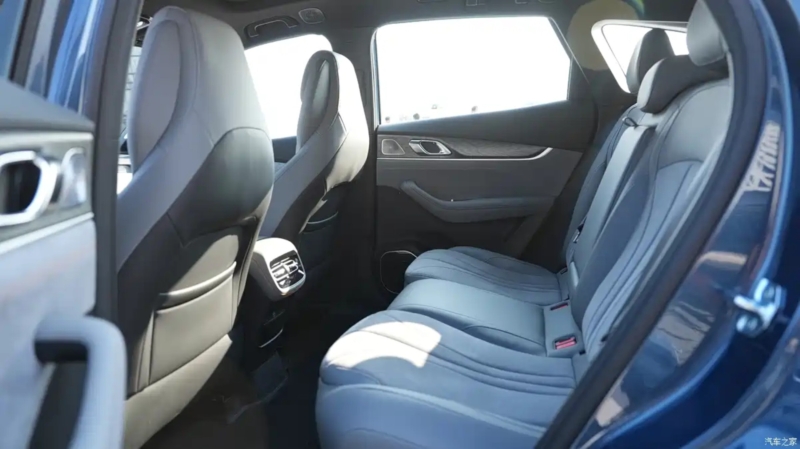
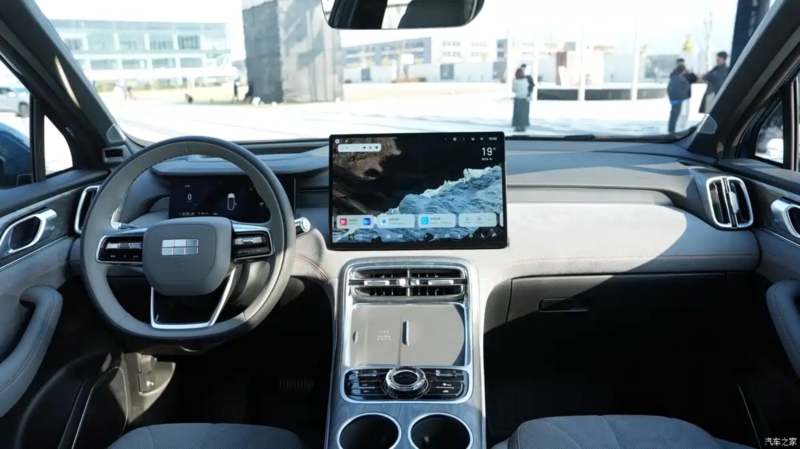
The Geely Galaxy M7 hybrid engine produces 82 kW and is integrated with a 29.8 kWh battery.

We’ll send you a weekly summary in your e-mail. No spam. Unsubscribe with one click.
Thank you! Your submission has been received!
Oops! Something went wrong while submitting the form.