

If you have recently received a pay rise, you may feel tempted to upgrade your wardrobe or treat yourself to cafe flat whites over the humble homemade plunger coffee.
But if these little indulgences build up and remain as a continuous habitual spend, you may be suffering from lifestyle creep — and it could have a longstanding effect on your finances.
Lifestyle creep occurs when a person’s discretionary spending increases in line with their income, says Fiona Newton, associate professor of marketing at Monash Business School.

Fiona Newton says lifestyle creep is subtle and typically based on small incremental changes over time. (Supplied)
“It’s very subtle, and it’s typically based on small decisions, small incremental changes across time, and so it can go hidden and people may not be aware of the consequences,” Dr Newton says.
When income goes up, people are quick to adapt to the new level of wealth, says Adrian Camilleri, an associate professor of marketing at the University of Technology Sydney.
“The luxuries that once felt special quickly become our neutral state. To get that same hit of satisfaction again, we have to spend even more,” Dr Camilleri says.
The psychology of spending
Lifestyle creep often sneaks up around new life milestones, such as receiving your first big pay rise, making it easier to rationalise upgrades.
And it’s not just about having more disposable income — the creep-up in spending also relates to a desire to signal a new identity.
“As we enter new life stages, we feel a psychological pressure to shed our old skins to match our new status,” Dr Camilleri says.
“For example, buying a first home often triggers a desire to ‘graduate’ from our past selves. Suddenly, the flat-pack furniture that served us well for a decade feels incompatible with the new role of ‘property owner’, validating a complete (and expensive) upgrade,” he says.

Increased spending can be a way to signal a new identity, Adrian Camilleri says. (Supplied)
Marketing campaigns often frame luxury items as rewards for hard work, effectively giving consumers permission to spend their new raise, Dr Camilleri says.
Spending can also be an emotional coping mechanism, where the person hopes that buying the product or service will make them feel better — for example at a time of being promoted to a more stressful role at work.
“In these contexts, it can become easier to justify purchases like ordering take-out more regularly or purchasing spa treatments and the like more frequently,” Dr Newton says.
Another driver of lifestyle creep is social pressure, which can be amplified by social media influencing people’s expectations and aspirations for certain life stages, Dr Newton says.
“Social media influencers, paid or unpaid, are playing a role because here you’ve got authentic people that align with particular segments of the market, portraying a certain lifestyle that may not always be realistic, but it comes across as authentic.”
So, what’s the problem?
While treating yourself to the fruits of your labour may seem harmless, it can have drastic consequences on your long-term finances.
It could leave you unable to save and still treading water despite earning more, says finance educator Natasha Janssens.
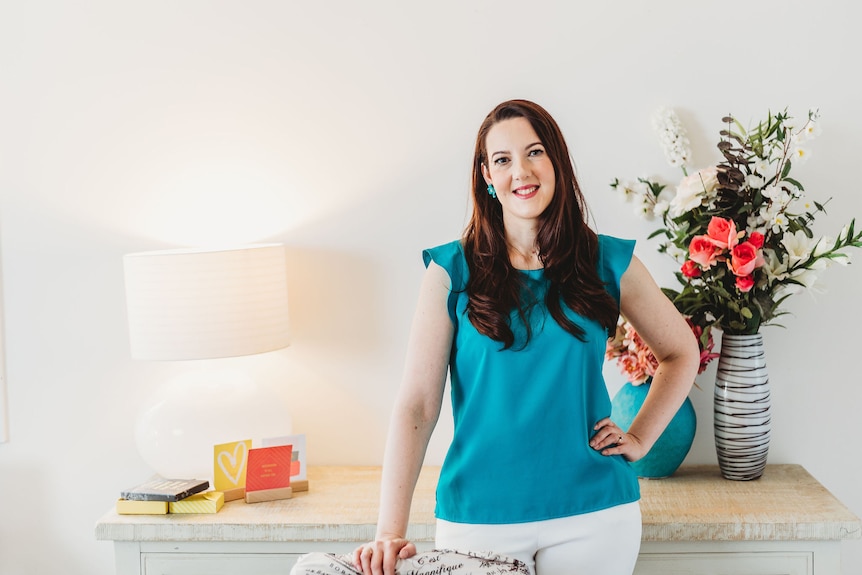
Financial educator Natasha Janssens says spending money can sometimes be an attempt to soothe negative emotions. (Supplied)
“While increased cost of living and paying additional tax brought on by increased income can play a part in somewhat eroding one’s increased cashflow, lifestyle creep typically tends to be the biggest culprit that prevents individuals from saving,” she says.
The key to making better financial decisions is to be more intentional and minimise impulsive decisions, explains Ms Janssens.
“This means that once your income increases and the temptation to treat yourself arises, you take time to reflect on the bigger picture. How will these additional expenses impact your other lifestyle goals? Can you absorb the cost and still save or invest? Or will you be needing to make compromises and delay certain plans and aspirations?”
How to get a handle on your spending habits
It is also important to develop self-awareness about your emotional spending triggers, Ms Janssens says.
“Get to know your relationship with money and observe if there are any spending habits you have developed as a way of coping with or soothing negative emotions.”
Contactless payments can make it easy to spend money unwittingly, leaving the bigger picture of spending hidden, says Dr Newton.
“One of the fastest ways to think about your own exposure to lifestyle creep is to sit back and reflect on the micro-purchases that you’re making, and not just within a product category like food or holidays, because that can look manageable in isolation. It’s the aggregate,” she says.
“We need to be monitoring our purchases across product categories, service categories and then starting to really think about, is this being driven by a want or a need? Am I spending because I want an emotional lift? Is this going to help me reach my longer-term goals?”
Overspending always comes with trade-offs, which could have a big impact on your finances later, Dr Newton says. It may take away from paying down the mortgage, investing or boosting superannuation.
“When these [spending] increases become part of our baseline lifestyle expectations, it poses a problem if life sends a curveball and we have to scale back,” she says.